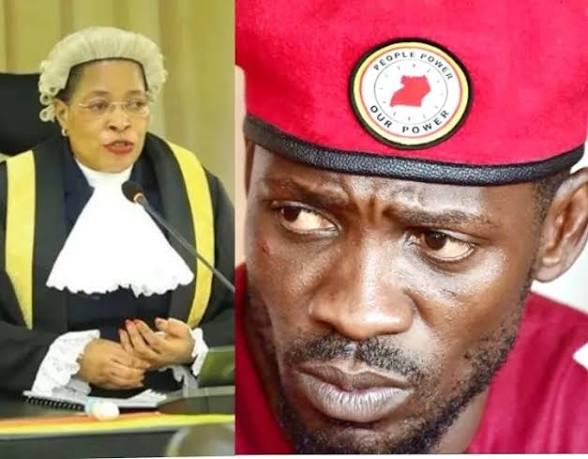
A fresh wave of political controversy has emerged on social media following reports published by an online platform alleging that election-related materials were recovered during a search at a residence associated with former Speaker Anita Among. The claims have sparked widespread debate among political observers and supporters of various political parties across Uganda.
According to the online publication, investigators allegedly discovered a large quantity of ballot papers during a search operation. The report further claimed that some of the materials were linked to previous electoral contests involving prominent political figures. However, the publication did not provide independently verifiable evidence to support these allegations.
The claims quickly gained traction online, with social media users sharing the story across multiple platforms. Many commentators expressed surprise at the allegations, while others called for caution, emphasizing the need for official confirmation before drawing conclusions.
Among the most widely circulated assertions was the allegation that some of the recovered materials were connected to votes allegedly intended for National Unity Platform leader Robert Kyagulanyi Ssentamu, popularly known as Bobi Wine. The report suggested that investigators were “shocked” by what they allegedly found during the search.

The publication further alleged that individuals with close connections to electoral authorities may have facilitated access to election materials. However, these claims remain unverified, and no official investigative agency has publicly confirmed such allegations at the time of reporting.
Political analysts note that allegations involving election materials are often highly sensitive because they have the potential to influence public trust in democratic institutions. As a result, experts stress the importance of relying on verified information from credible and official sources.
The report also referenced political developments in Bukedea District, where several candidates supported by Anita Among reportedly performed strongly in recent elections. The publication implied that this electoral success could be connected to the alleged discoveries, though it offered no concrete evidence to substantiate such conclusions.
Supporters of Anita Among have dismissed the claims circulating online, arguing that accusations of this nature should be supported by clear evidence and official statements rather than anonymous sources. They have urged the public to avoid spreading unverified information.
Meanwhile, opposition supporters have called for transparency and thorough investigations into any allegations relating to electoral processes. Some have argued that public confidence can only be strengthened through open and impartial inquiries.
Election observers have consistently emphasized that allegations of electoral malpractice should be handled through established legal and institutional mechanisms. They caution against making premature judgments before investigations are completed.

The story has also reignited discussions about election integrity in Uganda. Political activists from different sides of the political spectrum continue to debate whether existing safeguards are sufficient to protect electoral processes from manipulation.
Legal experts point out that possession of election materials outside authorized procedures would raise serious questions if proven. However, they also stress that allegations alone do not constitute evidence and that due process must be respected.
As the story continued to trend online, many Ugandans sought clarification from government institutions, electoral authorities, and security agencies. By the time of publication, no official statement had been issued confirming the specific claims made by the online platform.
The absence of publicly available evidence has led some observers to question the credibility of the allegations. Others argue that the matter warrants further scrutiny given the seriousness of the claims being circulated.
Political commentators say that stories involving prominent national figures often attract significant public attention, especially when they relate to elections and governance. Such reports can shape public discourse regardless of whether the allegations are ultimately substantiated.
The controversy comes at a time when political tensions remain high in many parts of the country. Discussions about accountability, transparency, and democratic governance continue to dominate public conversations.

Media experts have urged journalists and content creators to exercise caution when reporting on politically sensitive matters. They stress the importance of verification, balance, and fairness when covering allegations involving public officials.
For supporters of Robert Kyagulanyi, the claims have revived long-standing concerns about electoral transparency. Some have used the allegations to renew calls for reforms aimed at strengthening confidence in future elections.
On the other hand, supporters of Anita Among argue that unverified accusations can unfairly damage reputations and undermine public trust in institutions. They insist that any findings should be based on facts established through lawful investigations.
As public interest in the story continues to grow, many observers are waiting for official responses from the relevant authorities. Until such information becomes available, the allegations remain unverified claims circulating in the public domain, and their accuracy has not been independently confirmed.
About the Author