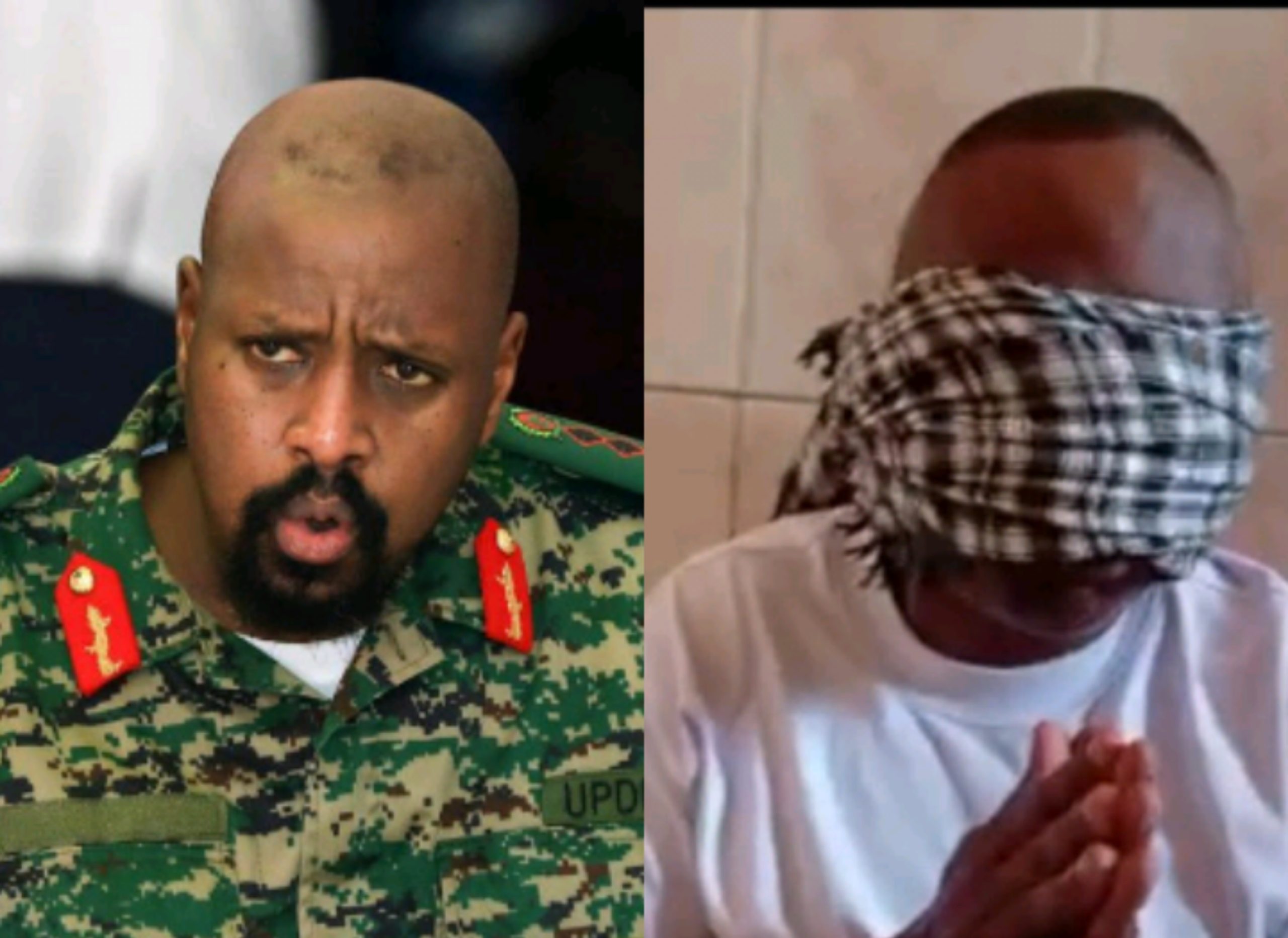
Gen. Muhoozi Kainerugaba has once again generated widespread public discussion after making controversial remarks about Kampala Lord Mayor Erias Lukwago, comments that quickly spread across social media and triggered intense reactions from both supporters and critics.
The Chief of Defence Forces and Chairman of the Patriotic League of Uganda (PLU) made the remarks through his social media platform, where he frequently shares opinions on political, national, and public affairs matters. His latest comments immediately became a major talking point across Uganda.
In the post, Gen. Muhoozi described Lukwago as an “easy job” and went on to make several personal remarks about the opposition politician. The comments drew significant attention due to the longstanding political differences between the two public figures.
The statement was widely shared online within minutes of being published, with thousands of users weighing in on the comments. Some viewed the remarks as political banter, while others criticized them as unnecessarily personal.
Erias Lukwago, who serves as the Lord Mayor of Kampala, remains one of Uganda’s most prominent opposition leaders. Over the years, he has consistently challenged government policies and frequently voiced criticism of those in power.
His political career has been marked by numerous legal and political battles, making him a central figure in Uganda’s opposition politics. As a result, statements directed at him often attract substantial public attention.

Observers noted that the latest remarks reflect the increasingly confrontational nature of political discourse on social media. Public figures now routinely engage audiences directly through online platforms, often bypassing traditional media channels.
Supporters of Gen. Muhoozi argued that his comments should be interpreted within the context of political rivalry and online exchanges that have become common in modern politics. Many described the remarks as rhetorical rather than literal.
Critics, however, expressed concern about the tone of the comments, arguing that public leaders should focus on issues of national importance rather than personal attacks directed at political opponents.
The debate quickly expanded beyond the remarks themselves, evolving into a broader discussion about the quality of political engagement in Uganda. Many citizens questioned whether such exchanges contribute positively to democratic discourse.
Political analysts observed that Gen. Muhoozi’s statements frequently dominate public conversations because of his growing influence within national politics and his ability to command attention through social media.
At the same time, Lukwago continues to maintain a strong following among opposition supporters who view him as one of the country’s most resilient and outspoken political figures. His supporters were quick to defend him against the comments.
Several commentators noted that the relationship between Gen. Muhoozi and opposition leaders has often been characterized by sharp rhetoric and public disagreements. This has contributed to a political environment where online exchanges regularly become headline news.
Social media platforms were flooded with reactions from users offering differing interpretations of the remarks. Some treated the comments humorously, while others viewed them as evidence of deepening political divisions.

The controversy also reignited discussions about the responsibilities that come with holding high-profile public offices. Many citizens argued that influential leaders should exercise caution when addressing political opponents.
Others defended the right of political leaders to express their opinions freely, provided that such expressions remain within acceptable standards of public discourse and respect for differing viewpoints.
Meanwhile, the comments continued to generate coverage across media outlets and discussion programs, with analysts dissecting their potential political significance and impact on public perception.
For many observers, the episode highlighted the growing role of social media in shaping Uganda’s political narrative. Statements that once might have gone unnoticed can now reach millions of people almost instantly.
Whether intended as political messaging, humor, or criticism, the remarks succeeded in capturing national attention and fueling yet another round of debate about leadership, political rivalry, and public communication.
As discussions continue, the exchange serves as a reminder of how influential political figures can shape public conversation through a single statement, particularly in an era where social media has become one of the most powerful tools for political engagement.
i
About the Author