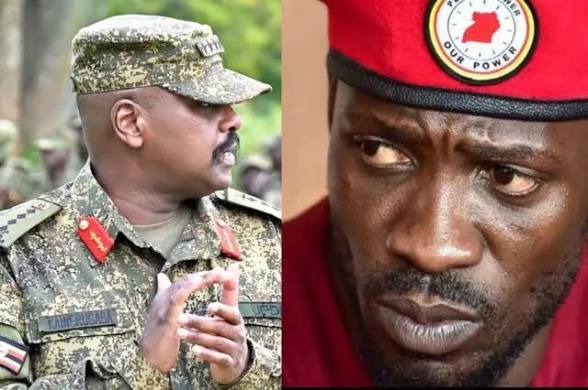
Gen. Muhoozi Kainerugaba, the Chief of Defence Forces (CDF), has hit back at critics who have compared him to former Ugandan President Idi Amin, dismissing the comparisons and insisting that he is his own person with a different identity and leadership approach.
Gen. Muhoozi made the remarks while responding to criticism from individuals who have drawn similarities between him and Idi Amin, a former military leader whose rule from 1971 to 1979 remains one of the most debated periods in Uganda’s history.
The CDF said he does not accept being compared to Amin, arguing that the comparison is misplaced and does not reflect his own character, values or approach to leadership.
In a statement shared publicly, Gen. Muhoozi rejected claims that he could become another Idi Amin, saying that such comparisons are being made by people who misunderstand him.
“I can’t be Idi Amin. I don’t have a big nose like Kabobina,” Gen. Muhoozi said, using a nickname often used by his supporters when referring to opposition leader Bobi Wine.
The comment attracted reactions from different sections of the public, with supporters praising his response while critics questioned the tone and message behind the statement.

Idi Amin’s presidency continues to attract strong emotions in Uganda because of the events that happened during his time in power, including allegations of human rights abuses, political persecution and economic disruptions.
Because of his military background and public influence, Gen. Muhoozi has on several occasions faced comparisons from critics who draw parallels between him and past military leaders.
However, his supporters have rejected such comparisons, saying that Uganda’s current political and security environment is different from the circumstances that existed decades ago.
They argue that Gen. Muhoozi represents a new generation of leadership and should be judged based on his own actions and statements.
The CDF has previously defended his role in Uganda’s security affairs and maintained that his focus is on strengthening the country’s defence and stability.
His frequent public statements, especially on social media, have made him one of the most discussed public figures in Uganda.
The latest remarks come amid ongoing debates about the role of security leaders in politics and national affairs.
Critics have often raised concerns about the involvement of military figures in political discussions, while supporters argue that security leaders are also citizens with the right to express their views.
Gen. Muhoozi has continued to attract both criticism and support because of his outspoken nature and his willingness to directly respond to his opponents.
His comments about Idi Amin have once again reopened conversations about Uganda’s history and the importance of learning from past leadership experiences.

Political analysts say comparisons between current leaders and historical figures often reflect public concerns, political disagreements and different interpretations of leadership styles.
The debate surrounding Gen. Muhoozi’s remarks shows the continued sensitivity around Uganda’s past and how historical figures are viewed in modern political discussions.
While some people believe such comparisons are meant to raise concerns about leadership trends, others argue that they unfairly judge individuals based on their background rather than their actions.
Gen. Muhoozi has maintained that he should not be defined by comparisons to previous leaders but instead by his own record and responsibilities as a senior military officer.
The remarks have continued to generate discussion among Ugandans, with many sharing different opinions about his response and the wider issue of leadership comparisons.
As Uganda continues to debate issues of leadership, security and political direction, Gen. Muhoozi remains one of the most influential and closely watched figures in the country.
About the Author







