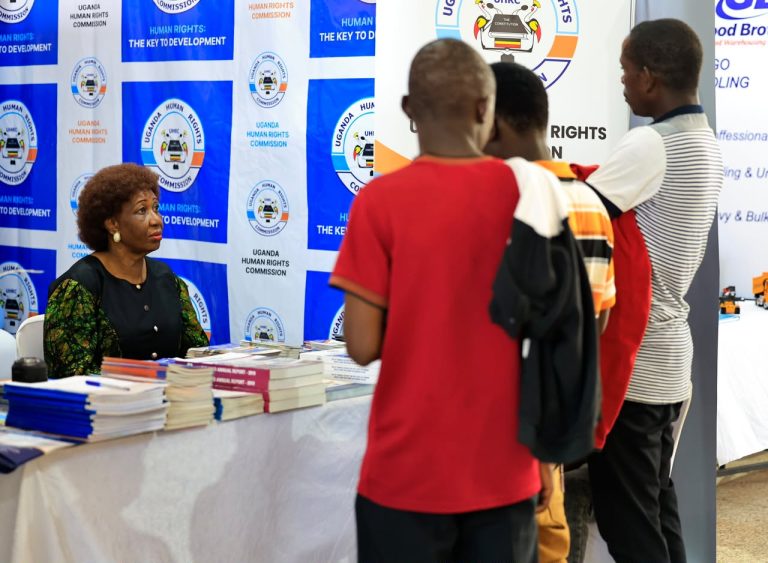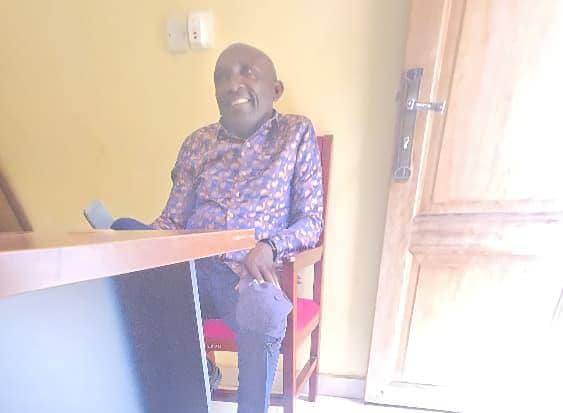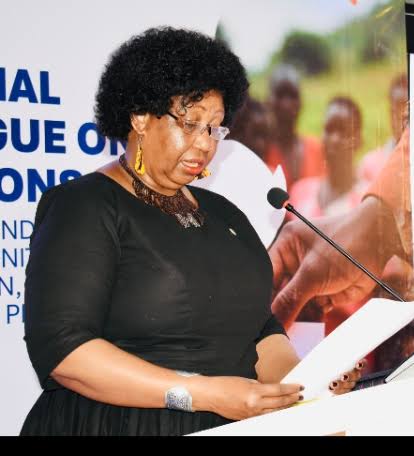
Former intelligence officer Gen. David Sejusa has defended former Uganda Human Rights Commission (UHRC) Chairperson Mariam Wangandya, saying the circumstances surrounding her resignation should be examined carefully instead of being judged only by what is visible to the public.
Sejusa said Wangandya’s recent actions and public statements have attracted criticism from different quarters, but he believes there could be deeper issues that influenced her decisions and eventual departure from office.
The former spy chief said Wangandya’s long career in law and public service does not portray her as a person who acts recklessly or without careful consideration. He described her as someone who has built a reputation for professionalism, discipline, and good judgment.
He pointed to her previous service as Deputy Inspector General of Government (IGG), her legal career, and her work with the Federation of Women Lawyers (FIDA), saying these experiences demonstrate a history of commitment and competence.
Sejusa questioned what may have happened to create such a significant change, especially after Wangandya chose to publicly criticize President Yoweri Kaguta Museveni despite being aware that such remarks could attract strong reactions.
According to Sejusa, there may be important details surrounding the matter that have not yet been revealed. He argued that the focus should not only be on Wangandya’s actions but also on the circumstances that may have pushed her into making certain decisions.
He also highlighted Wangandya’s claims that she and her family had received threats, questioning who could have been responsible and whether those threats contributed to the pressure she was facing.
Sejusa maintained that Wangandya should not be described as unstable, saying her situation appears more like that of a person dealing with serious pressure and difficult circumstances.
“She is not a mad woman. She is someone on edge,” Sejusa said, calling for a deeper understanding of the events that led to her resignation.
The retired general further suggested that there could be hidden aspects of the matter that require investigation. He said uncovering those details could help explain the circumstances surrounding Wangandya’s decision to leave office before completing her term.
He also suggested that President Museveni may already have information about some of the issues involved because of his position and access to state intelligence.
Wangandya recently resigned as Chairperson of the Uganda Human Rights Commission, ending her tenure before the completion of her six-year mandate. Her departure has generated public debate, with many people seeking answers about the reasons behind her early exit.
She still had about one year and two months remaining in office, with her term expected to end in September 2027. Her resignation before the end of her tenure has continued to fuel discussions about what may have happened behind the scenes.
About the Author