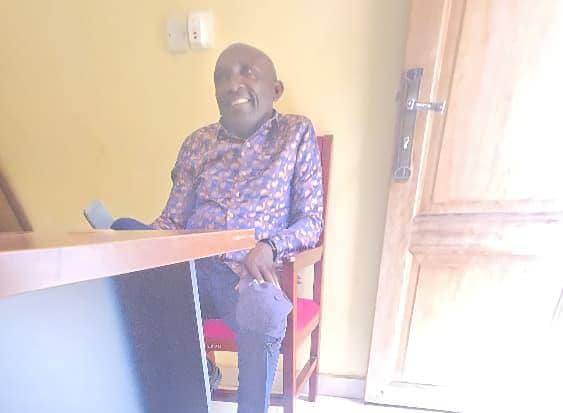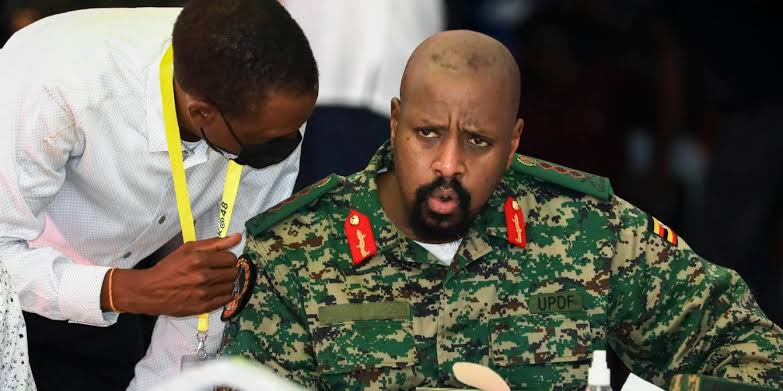
Gen Muhoozi Kainerugaba has made strong remarks concerning Ugandan activist Fred Lumbuye, demanding that Turkey either hand him over to Uganda or expel him from its territory.
In a statement shared publicly, Muhoozi said his demands were clear and called on Turkish authorities to take immediate action regarding Lumbuye’s presence in their country.
“Okay. Honourable Sodo has requested that we postpone our demonstration. We have postponed it. My demands from the Turks are simple. They should IMMEDIATELY hand over Lumbuye or expel him from their country. If they don’t we will fight them,” Muhoozi stated.
The remarks have attracted significant attention, with many Ugandans discussing the possible diplomatic implications of the statement.
Lumbuye, who has been based outside Uganda, has been a vocal critic of the government and has frequently used online platforms to share political commentary.
For years, his activities have generated strong reactions from both government supporters and opposition figures, making him one of the most recognized Ugandan activists abroad.

Muhoozi’s latest statement adds another chapter to the long-running disagreements surrounding Lumbuye’s political activities and his relationship with Ugandan authorities.
The comments come amid wider discussions about the role of Ugandan activists living abroad and the responsibilities of foreign governments hosting individuals involved in political disputes.
Muhoozi, who serves as the Chief of Defence Forces (CDF), has often used social media to communicate his views on security, politics, and national issues.
His direct style of communication has frequently attracted public debate, with supporters praising his confidence while critics question the tone of some of his statements.
The demand involving Lumbuye has also raised questions about international relations and how governments handle cases involving foreign nationals and political activists.
Observers note that matters involving individuals living abroad usually require diplomatic engagement and cooperation between countries.
Turkey and Uganda have maintained diplomatic relations over the years, with cooperation in areas such as trade, education, and other bilateral interests.
The statement has therefore sparked conversations about whether the issue could affect relations between the two countries.
Meanwhile, supporters of Muhoozi have welcomed his position, arguing that Uganda has the right to respond to individuals they accuse of spreading harmful information.

However, critics have called for peaceful and diplomatic solutions, warning that strong statements could create unnecessary tensions.
The issue surrounding Lumbuye has remained controversial, with different groups holding opposing views about his activities and the accusations made against him.
Muhoozi’s remarks have once again placed the activist at the centre of public attention, reigniting debates about freedom of expression, national security, and political disagreements.
As discussions continue, many Ugandans are watching to see whether the matter will be handled through diplomatic channels or lead to further public exchanges.
The statement highlights the growing influence of social media in shaping political conversations and how public figures use online platforms to communicate their positions.
For now, the demand for action against Lumbuye remains a major talking point, with reactions expected from different political and public interest groups.
About the Author