The $150 million (Shs 543.8 billion) Local Economic Growth Support (LEGS) project is enhancing local enterprises and household incomes in Ntoroko, Bunyangabu, Kabarole, Gomba, Nakaseke, and Kyejonjo districts.
Earlier this year, the Ministry of Local Government launched the second phase of LEGS, a five-year initiative aimed at addressing climate change, supporting youth and women entrepreneurs, providing irrigation for small-scale farmers, promoting agro-processing, and improving post-harvest handling.
The project is implemented by the Ministry of Local Government with financing from the Lives and Livelihoods Fund (LLF), the Islamic Development Bank (IsDB), and the Government of Uganda. LEGS II is expected to expand its interventions to 55 districts, benefiting an estimated 16 million Ugandans.
Through the Microfinance Support Centre (MSC), the project has disbursed over Shs 8 billion across Kabarole, Ntoroko, Bunyangabu, and Kyejonjo districts, offering critical financial support to community enterprises and encouraging local investment.
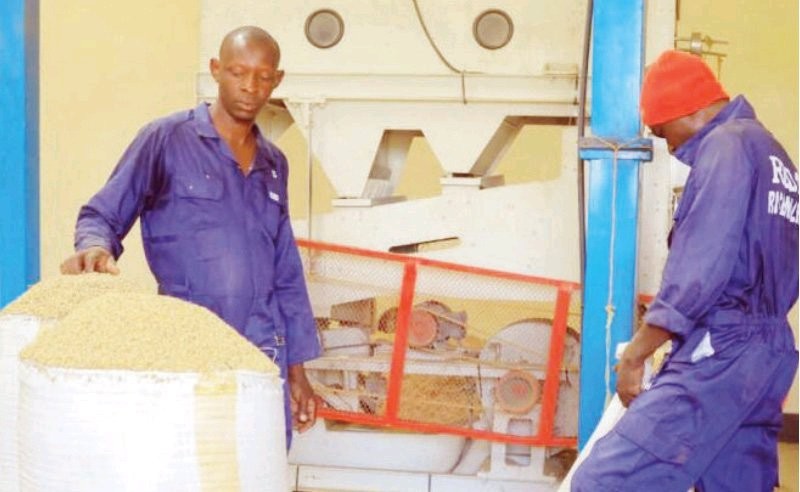
In Bunyangabu District, Shs 976 million has been provided to more than 3,200 community members, significantly boosting household incomes and supporting local businesses. Rwimi United Development Association received infrastructure support and a rice processing machine, while Kageera Banana Farmers Association obtained 40 market stalls and two open sheds. Bunyangabu Bee Keepers Cooperative (BBC) received Shs 270 million to expand operations and strengthen value addition.
Aisha Asimwe, a member of the Rwimi United Development Association, said the project has transformed her life. Once a small-scale farmer, she now buys, mills, and sells rice, sustaining her family through the enterprise. Bob Mugisha, a 29-year-old assistant mechanic at the rice processing factory, revealed that his employment has allowed him to start a small poultry business, demonstrating the project’s impact on youth empowerment.
Sylvia Kabanyoro, a beans vendor at Kageera Market, said the new market facilities have boosted trading activity and household incomes. “We now have enough space to display and sell our goods. What was once a banana market has grown into a vibrant trading centre attracting people with a variety of products,” she said.
In Nakaseke, LEGS-funded investments include access roads, solar shared schemes, market sheds, and milk storage facilities. The Kinono Piped Water Supply System now serves over 25,000 people and their livestock, reducing previous challenges such as long distances for water, typhoid, and risks to women and girls.
Other key projects include the Kifampa Milk Collection Centre, Maddu Market Sheds, and Lwakibira Dam in Gomba District. Farmers have benefited from modern infrastructure and access to quality inputs through a 50/50 cost-sharing scheme, improving productivity and increasing earnings. Dr David Siriri, Country Director of the Mellinelinum Promise Alliance (MPA), urged farmers to take advantage of these opportunities.
Resident District Commissioner Kamukama Nicholas pledged continued district support in training and sensitizing communities to maximize the benefits of LEGS interventions. A joint assessment mission from the Ministry of Local Government, Ministry of Finance, and IsDB, led by Dr. Mouchili Mayoua, is inspecting investments and engaging beneficiaries as the project progresses toward its closure.
About the Author