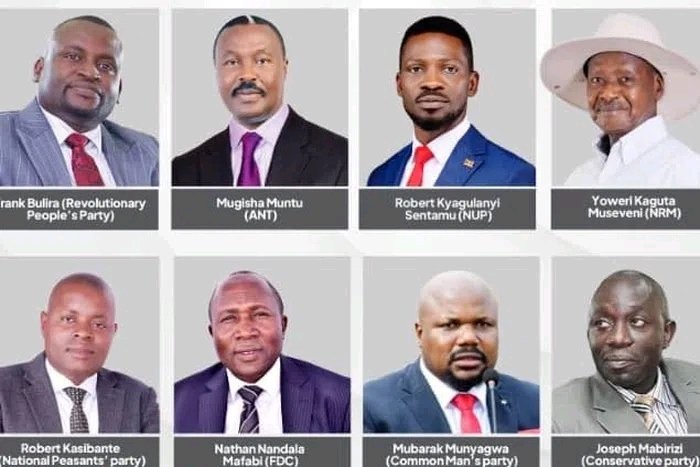
In a surprising move, President Yoweri Museveni has withdrawn from the much-anticipated NTV Uganda presidential debate, just days after opposition leader Bobi Wine confirmed his participation. The decision, announced by the National Resistance Movement (NRM), has raised eyebrows as many were eager to see a direct face-off between Uganda’s long-serving president and his top challenger.
The debate, originally scheduled for Sunday, November 30, 2025, at 8:00 PM, was expected to be a significant moment in the lead-up to Uganda’s 2026 elections. However, shortly after Bobi Wine confirmed his attendance, the NRM made it clear that Museveni would not be part of the event, citing scheduling conflicts as the primary reason for the withdrawal.
In a statement issued late Thursday, the ruling party explained that they had only received the debate invitation on November 21, 2025—well after the Electoral Commission had approved the President’s official campaign itinerary. According to the NRM, the event was never part of the pre-approved campaign schedule, making it impossible for Museveni to adjust his prior commitments. The party also clarified that earlier online advertisements suggesting the President would participate were inaccurate and misleading.
Bobi Wine’s confirmation had generated excitement, with many hoping that the debate would provide a rare opportunity for the two leaders to engage on key national issues. However, with Museveni now absent, it seems that the debate will proceed without the incumbent, much to the disappointment of those hoping for a live, direct confrontation.
While the NRM maintains that the withdrawal is due to logistical reasons, some observers speculate that there may be other factors at play. There have been ongoing tensions between President Museveni’s government and Nation Media Group (NMG), the parent company of NTV. Reports suggest that NMG journalists were previously barred from covering certain presidential events, fueling speculation that the President’s withdrawal could be tied to these unresolved media disputes.
Moreover, Museveni has expressed dissatisfaction with debate formats in the past. After the inaugural presidential debate in 2016, he criticized the structure, citing concerns about limited speaking time and the lack of depth in the discussions. This history of discomfort with such events adds weight to the theory that his decision to withdraw could also be linked to his longstanding reservations about televised debates.
As a result, the NTV debate will go ahead without Museveni, marking only the second time in Uganda’s history that a televised presidential debate will be held without the sitting President’s participation. This absence will undoubtedly fuel further public debate and scrutiny as the country approaches the 2026 general elections.
With the election set for January 15, 2026, the question now remains whether Ugandans will ever see a direct, televised showdown between the two leading candidates. For now, the stage is set for a debate dominated by opposition voices, while the incumbent remains absent from the national conversation.
About the Author