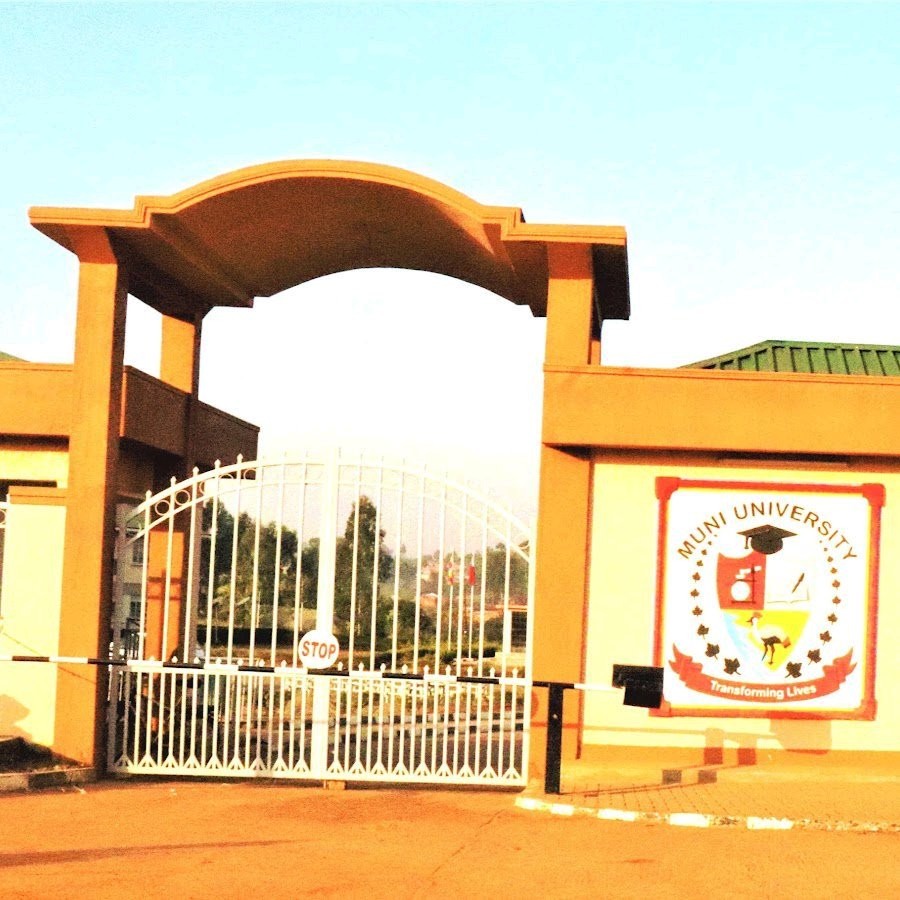
When Muni University was established in 2013, it was expected to be a transformative force for higher education in the West Nile sub-region of Uganda. As the only public university serving the area, it was seen as a vital resource that would open doors to education for local students who previously had to travel far for tertiary studies. However, over a decade later, many leaders from the region are expressing frustration, as the number of students from West Nile enrolling at Muni University remains alarmingly low.
Currently, the university has a total of 3,143 students, yet only 110 of them are from the West Nile sub-region. A significant portion of the student body, 1,774 students, come from Northern Uganda, while another large number hails from Central Uganda. The underrepresentation of West Nile students has raised serious concerns among local leaders, who are now calling for targeted interventions to address the disparity.
Sam Wadri Nyakua, the Mayor of Arua City, has been one of the loudest voices advocating for affirmative action.
He believes that the introduction of targeted scholarships and bursaries for students from West Nile could significantly increase local enrollment. Such measures, according to Wadri, would not only ease the financial burden on local families but also encourage more students to apply for admission to Muni University.
Doreen Oyiru, a local leader, has also pointed out that over the years, most of the students admitted to Muni University have come from the Central region. She stresses the need for a focused approach to address this issue, noting that the university was established specifically to serve the educational needs of the West Nile region. Oyiru argues that without deliberate action to prioritize local students, the region will continue to miss out on the full potential of the university.
Kadija Aliru, a councillor representing persons with disabilities (PWDs) in Arua City, shares similar concerns. Aliru highlights that the founding of Muni University raised hopes of easing the financial and emotional challenges faced by families whose children had to travel far from home to pursue higher education. Yet, despite the proximity of the university, many local students are still unable to gain admission, a situation she finds troubling.
In response to these concerns, the Vice Chancellor of Muni University, Simon Anguma Katrini, has reassured local leaders that the university is aware of the issue. He pointed out that 79 percent of the university’s total student population comes from the greater Northern Uganda region. However, Katrini also acknowledged that discussions are ongoing within the university’s leadership to explore affirmative action strategies that would specifically target students from West Nile, in line with the university’s mission to serve the local community.
Despite these reassurances, many leaders in the region feel that the university has not done enough to prioritize local enrollment. They argue that the university’s proximity to the region should make it the primary choice for West Nile students, yet the figures show a stark imbalance in representation. The current enrollment numbers raise important questions about why West Nile students are still underrepresented, even with the university’s establishment in their region.
As the debate continues, local leaders are calling for swift and concrete action to rectify the situation. The pressure is on Muni University to implement affirmative action measures that will allow more West Nile students to benefit from the educational opportunities that the university was meant to provide. Only through these actions, they believe, can the university fulfill its original promise to the people of West Nile.
About the Author