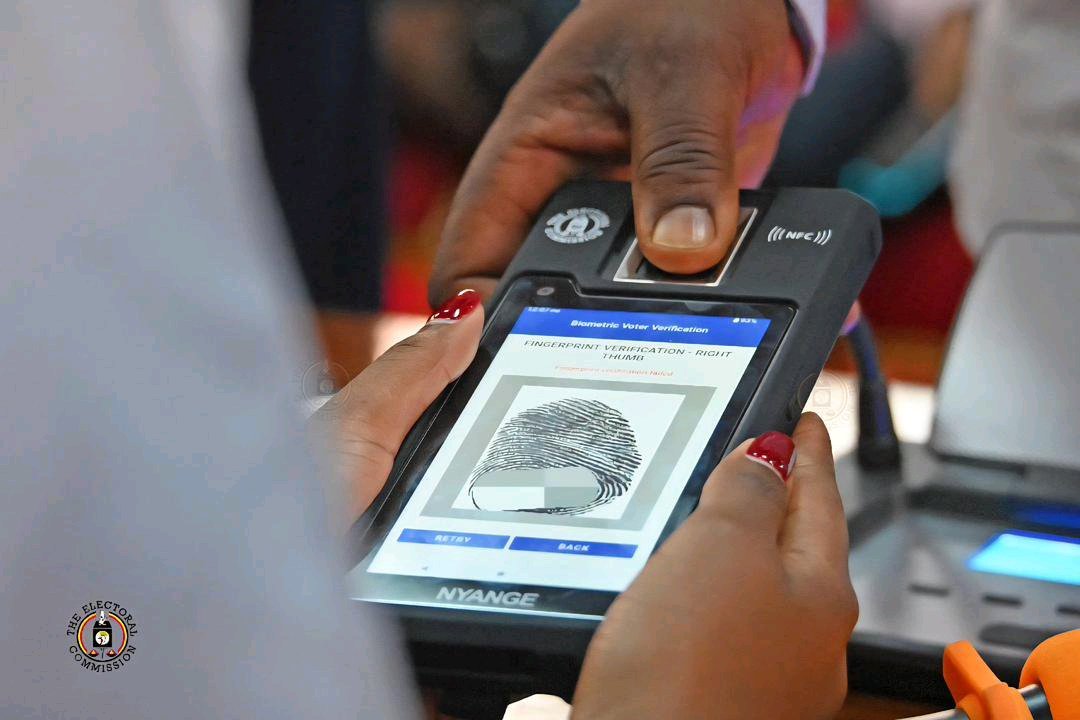
Wakiso District is on high alert as voters head to the polls for district chairpersons, city mayors, and local councilors, following technical setbacks that disrupted the January 15 general elections. The spotlight is on the Biometric Voter Verification Kits (BVVK), introduced to prevent voter impersonation and multiple voting by using fingerprints and facial recognition technology.
The January elections exposed the fragility of this system, with numerous BVVK machines failing nationwide. Several polling stations in Wakiso faced similar challenges, while some locations never received their devices due to late distribution, forcing election officials to fall back on manual verification. These failures caused delays and voter frustration, undermining confidence in the process.
To address these challenges, hundreds of BVVK operators in Wakiso underwent intensive retraining on Wednesday evening at Nansana Division headquarters. The sessions focused on correct machine handling, troubleshooting, and other key electoral procedures. One operator, speaking on condition of anonymity, explained that the retraining was intended as a final briefing to ensure smooth operations for today’s elections.
The Electoral Commission had procured over 100,000 upgraded BVVK units for the 2025/2026 electoral cycle. Despite this effort to improve reliability, the January glitches revealed persistent issues in technology deployment and operational readiness. The retraining and careful planning for today’s vote aim to restore public trust in the biometric system.
In addition to retraining, polling personnel have been reshuffled. Presiding officers and their assistants previously assigned to particular polling stations have been redeployed to new locations. Officials explained that the changes were meant to minimize the risk of bribery or undue influence, as candidates familiar with station staff could exploit such connections.
Late into the night on Wednesday, electoral officials remained at Nansana headquarters receiving instructions on election-day procedures. The detailed guidance underscores the commission’s commitment to preventing repeat technical failures and ensuring every polling station operates smoothly.
Wakiso is considered a key district due to its large voter population and strong opposition presence. The district chairperson race is closely watched, and the successful use of BVVK machines could play a critical role in the credibility and efficiency of the vote.
As polling begins, all eyes are on the deployment of upgraded machines, retrained operators, and redistributed personnel. The district’s election experience today will be seen as a litmus test for the Electoral Commission’s ability to manage technology-driven voting while safeguarding transparency and fairness.
About the Author