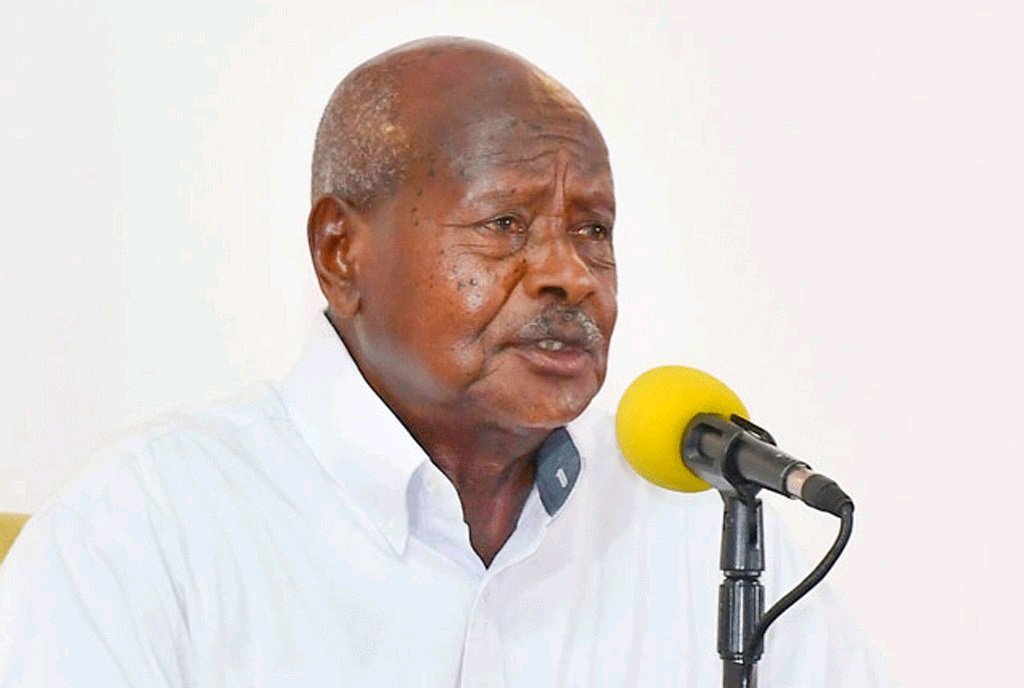
President Yoweri Kaguta Museveni has issued a decisive order to speed up infrastructure development around Bwindi Impenetrable National Park, aiming to address long-standing issues that have hindered the park’s tourism revenue. The directive, sent to the Ministry of Finance on February 17, 2026, highlights the critical need to upgrade roads leading to key trekking gates at Rushaga, Nkuringo, and Ruhija. Despite the park’s vast contribution to Uganda’s economy, Museveni’s concerns over delays in road construction have underscored the importance of improving access to one of Africa’s most iconic wildlife destinations.
Museveni’s frustration is rooted in the fact that the original directive to engage DOTT Services to upgrade these roads was issued back in 2019. Yet, seven years later, the roads remain notoriously poor, especially during the rainy season when they become almost impassable due to mud and frequent landslides. For tourists visiting Bwindi to track the endangered mountain gorillas, these road conditions are a major deterrent, with some travelers even forced to walk long distances or spend the night in their vehicles due to blocked roads. This delay in infrastructure development, Museveni argues, is costing the country more than just time—it’s directly impacting Uganda’s ability to generate tourism revenue.
The President pointed out that while Bwindi generates over $20 million annually from permit sales alone, the country is losing an estimated $40 million each year because the permits are sold at below-market prices compared to other international destinations. This pricing issue, combined with the poor road access, is a significant factor in Uganda’s tourism revenue gap. Museveni has made it clear that the combination of low permit prices and inadequate infrastructure must be addressed immediately to unlock the park’s true economic potential.
In his letter to Finance Minister Matia Kasaija, Museveni emphasized the need for swift action. He has directed the Ministry of Finance to prioritize signing the commercial contract with DOTT Services, using funds from a loan obtained from Vitol Bahrain to finance the project. The improvements are seen as crucial not only for the accessibility of Bwindi but also for increasing Uganda’s competitiveness in the global tourism market.
Additionally, the President has called for the construction of a 9-kilometer stretch of road from Kabale NTC to Kakomo. This will be vital for accessing the area around Arcadia Lodges, where a five-star Serena Hotel is set to be built. This move reflects a broader strategy to enhance the tourism experience in Uganda by improving connectivity between major attractions and creating a seamless travel experience for visitors.
Further, Museveni has directed the removal of what he described as “embarrassing” and “unplanned” shanty trading centers located within 500 meters of Bwindi’s trekking gates at Rushaga, Buhoma, and Nkuringo. These informal settlements, often seen as eyesores, will be replaced by green spaces and trees, transforming the environment into a more welcoming and attractive area for tourists. Additionally, new souvenir and craft shops for local artisans will be established at these gates to promote local businesses and create economic opportunities for nearby communities.
Despite the significant potential of Uganda’s tourism sector, these infrastructure delays have raised questions about the efficiency of the country’s public service and procurement processes. Critics have pointed to the lack of progress since the original directive in 2019 as evidence of bureaucratic hurdles and a lack of coordination between different government agencies. However, with the President now personally overseeing the project’s execution, there is renewed hope that the improvements will finally come to fruition.
Museveni’s push to upgrade Bwindi’s infrastructure comes at a time when the country is working hard to position itself as a premier tourism destination in Africa. The successful implementation of these plans will not only enhance the experience for international tourists but will also create significant economic opportunities for local communities. With the world’s attention increasingly focused on sustainable tourism and conservation, Uganda has the chance to harness its rich natural heritage to drive both economic growth and environmental preservation for years to come.
About the Author