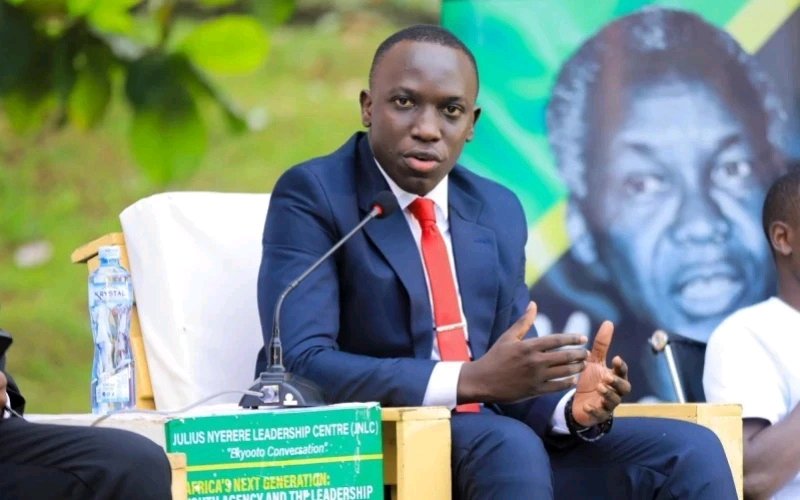
Supporters of the National Unity Platform (NUP) are in uproar after newly elected Mukono South MP, Robert Maseruka, was filmed spending time with musician Eddy Kenzo and influential figures from the ruling National Resistance Movement (NRM). The video, which has been widely circulated on social media, shows Maseruka engaging in casual moments of laughter, playing football, and mingling with Kenzo and Moses Magogo, an NRM official.
This unexpected association has sparked anger and confusion within NUP’s base, with many questioning Maseruka’s commitment to the party’s values. Kenzo, a controversial figure within Ugandan politics due to his past disagreements with NUP leader Bobi Wine, has long been seen as an outsider by many within the opposition. His relationship with members of the NRM has only further alienated him from the NUP ranks, and Maseruka’s apparent camaraderie with him has raised alarms among his supporters.
A segment of NUP supporters is now calling for swift action against Maseruka, urging the party’s leadership to summon him for an explanation. For many of these individuals, the sight of Maseruka associating with those linked to the ruling party is seen as a betrayal of the opposition’s cause. They argue that such alliances, even on a personal level, risk diluting NUP’s anti-government message and weakening its resolve for political reform.
Yet, there are voices within NUP who advocate for a more balanced approach, calling for open dialogue rather than punitive measures. These individuals believe that condemning Maseruka outright could damage the party’s unity and reputation. They suggest that personal relationships should not be automatically equated with political loyalty and that the NUP should focus on fostering a broad coalition that includes people with diverse viewpoints, even if those viewpoints differ on specific issues.
This internal division highlights a larger challenge within NUP as the party navigates its role in Uganda’s increasingly polarized political landscape. The tension between ideological purity and pragmatic alliances is one that many political movements face as they seek to build power and influence. Some NUP supporters fear that embracing individuals or groups who may be seen as compromising could lead to the party losing its core identity.
Maseruka, a young and energetic figure, has yet to address the growing controversy directly, leaving many of his constituents and party members in the dark about his position. His silence has only fueled speculation, with some wondering whether he will attempt to clarify his stance or whether this issue will cause long-lasting damage to his political career.
The incident has also ignited a broader debate about the nature of political loyalty and the challenges of building a cohesive opposition movement. As Uganda’s political scene continues to evolve, many are asking whether NUP should adopt a more flexible approach in its relationships with individuals from various political backgrounds, or whether it should draw a strict line between itself and those linked to the ruling government.
In the meantime, NUP’s leadership faces a critical decision. Should they take decisive action against Maseruka, or should they encourage more open-mindedness and inclusivity within the party? How they handle this controversy could shape not only the party’s future but also its ability to maintain unity as it competes for power in the coming years. As the situation unfolds, all eyes will be on how NUP responds to this internal challenge and whether it can stay united in its quest for political change.
About the Author