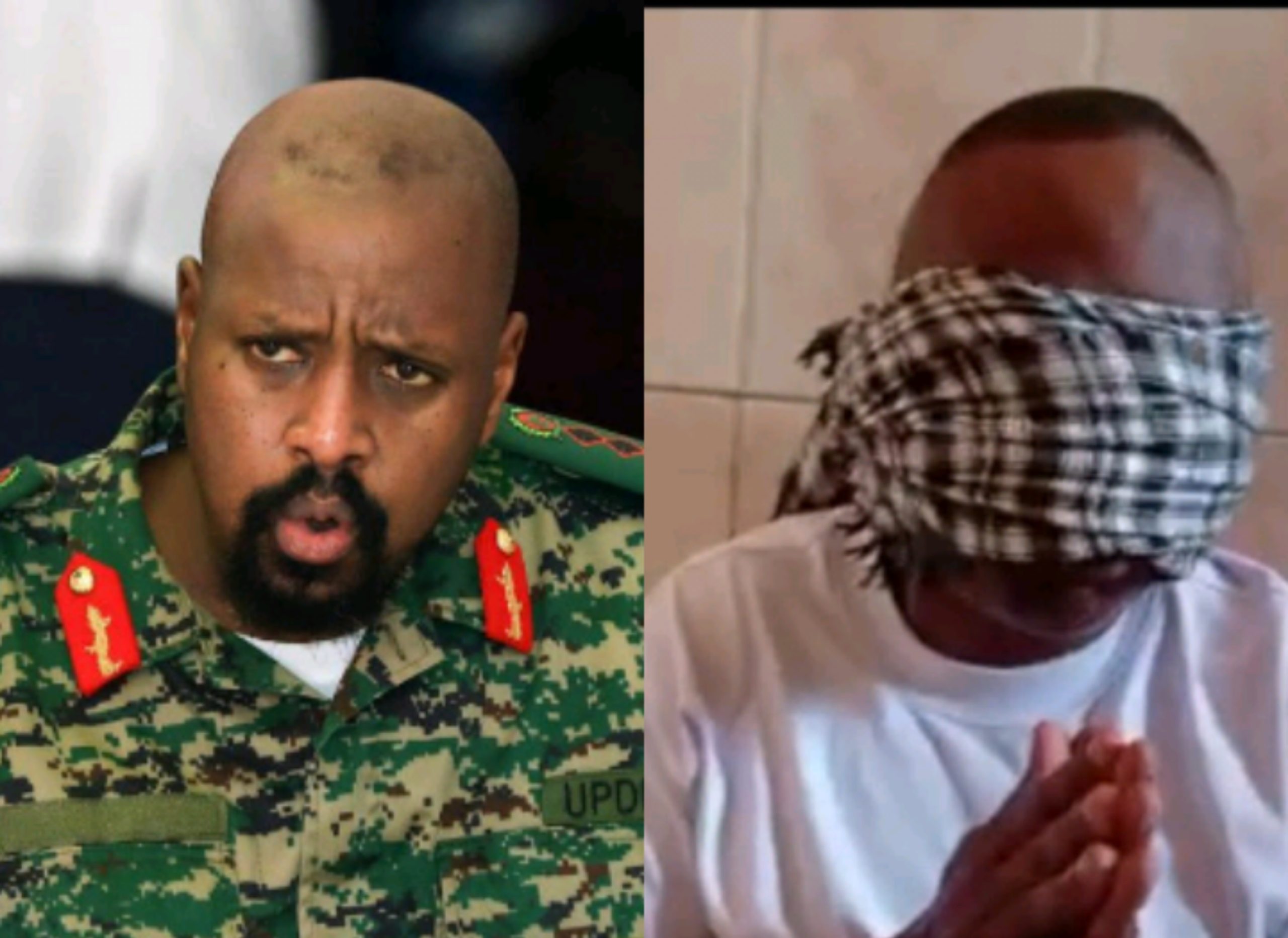
Uganda’s political landscape has once again been thrust into the spotlight following the circulation of a controversial statement attributed to Chief of Defence Forces Gen Muhoozi Kainerugaba on social media.
The alleged remarks began trending shortly after reports emerged concerning prominent lawyer and former Kampala Lord Mayor Erias Lukwago.
According to widely shared posts, the statement purportedly reads: “Ngu he summoned me?? How do you DARE to utter those words? Only Mzee can summon me. This fool will learn the lesson he has been begging for.”
The authenticity of the statement has not been independently verified, but its circulation has sparked intense debate among social media users and political commentators.
Many users reacted strongly to the alleged comments, with supporters and critics offering sharply different interpretations of what the statement could mean.
The controversy comes amid heightened political tensions and growing public interest in developments involving opposition figures and legal practitioners.

Erias Lukwago remains one of Uganda’s most prominent lawyers and political personalities, making any reports involving him a matter of significant public interest.
His long history of representing opposition leaders and challenging government actions through the courts has made him a familiar figure in Uganda’s legal and political landscape.
As discussions intensified online, many users focused on the wording of the alleged statement and what it might imply about relations between political actors and state institutions.
Others questioned whether the viral quote was genuine, urging caution before accepting screenshots and social media posts as definitive evidence.
Political analysts note that misinformation and unverified claims often spread rapidly during periods of heightened political interest.
The situation has therefore prompted calls for responsible reporting and verification of information before conclusions are drawn.
Meanwhile, supporters of various political camps have continued using social media platforms to debate the broader issues raised by the controversy.
Some argue that the incident highlights the increasingly influential role social media plays in shaping political narratives.

Others contend that viral statements, whether authentic or not, can significantly affect public perception and fuel political polarization.
The discussion has also renewed attention on the importance of official communication channels in addressing claims that gain widespread public attention.
Observers say clear and timely responses from relevant institutions can help prevent speculation and confusion from dominating public discourse.
As the debate continues, many Ugandans remain focused on obtaining accurate information regarding both the reported developments and the alleged statement itself.
The incident demonstrates how quickly political controversies can evolve into major national conversations in the digital age.
For now, attention remains fixed on whether further clarification will emerge regarding the viral remarks and the events that sparked the latest wave of political discussion across the country.
About the Author