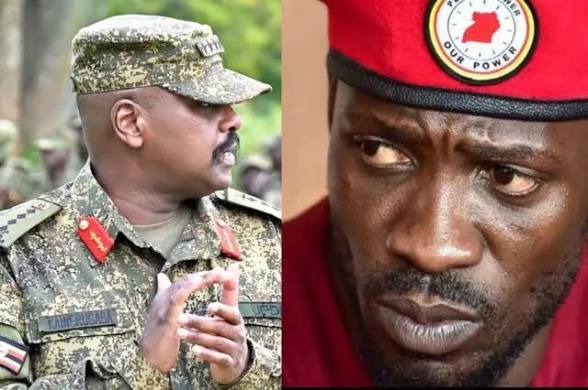
A fresh controversy has erupted after Muhoozi Kainerugaba made social media posts claiming that a plan to shut down two of Uganda’s leading media organizations had received approval and would be implemented immediately.
The remarks quickly attracted widespread attention online, triggering debate among journalists, media observers, politicians and members of the public concerned about press freedom and access to information.
In the posts, Muhoozi claimed that his proposal to close NTV Uganda and the Daily Monitor had been approved by his father and that action would be taken without delay.
The statements spread rapidly across social media platforms, with many users questioning whether the comments reflected an official government position or were personal remarks made online.
As discussion intensified, journalists and media stakeholders began seeking clarification regarding the status of the two media organizations and whether any formal regulatory action had been initiated.
Neither NTV Uganda nor Daily Monitor immediately announced any closure, and both organizations remained the subject of intense public discussion following the remarks.

The comments reignited long-standing conversations about the relationship between the media and political leaders, particularly during periods of heightened political activity.
Media analysts noted that NTV Uganda and Daily Monitor are among the country’s most influential news outlets, reaching millions of Ugandans through television, print and digital platforms.
Over the years, both organizations have played a significant role in covering politics, governance, business, sports and social issues across Uganda and the wider East African region.
Supporters of the media houses argued that independent journalism remains an essential pillar of any democratic society because it enables citizens to access information and hold leaders accountable.
Others called for calm and urged the public to wait for official communication from relevant authorities before drawing conclusions regarding the future of the media organizations.
The controversy quickly became one of the most discussed political topics of the day, with reactions emerging from different sections of society.
Several commentators stressed that any decision affecting major media institutions would have significant implications for the country’s media landscape and would likely attract both local and international attention.
Legal experts also pointed out that media regulation is governed by established laws and procedures, meaning that any major action against a media house would typically involve formal processes.

The incident highlighted the growing influence of social media in shaping public debate, where comments from prominent figures can generate national discussions within minutes.
Political observers noted that statements concerning major media organizations often attract heightened scrutiny because of their potential impact on freedom of expression and public discourse.
Journalists and press freedom advocates closely monitored developments, emphasizing the importance of protecting the ability of media organizations to operate within the framework of the law.
As reactions continued to pour in, many Ugandans used social media to express their opinions on the role of independent media and the importance of maintaining diverse sources of news and information.
The debate also underscored the increasingly complex relationship between traditional media institutions and influential public figures in the digital age.
By the end of the day, attention remained focused on whether any official statements would be issued to clarify the situation, as the claims continued to generate widespread discussion across the country.
About the Author