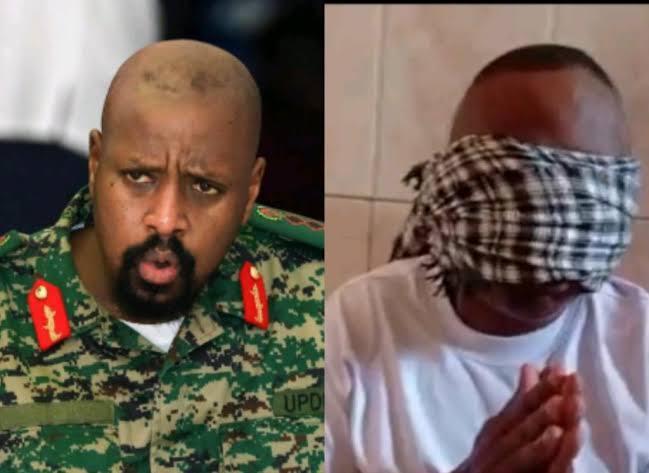
Gen Muhoozi Kainerugaba has sparked fresh political debate after commenting on the arrest of Kampala Lord Mayor Erias Lukwago, saying the opposition figure’s current troubles were expected and had been building for a long time.
The Chief of Defence Forces made the remarks while responding to a message directed at Hon. Otto, where he described him as one of the few people he respects before turning his attention to Lukwago.
“My brother Hon. Otto, you are one of the few people I respect,” Muhoozi said, before adding that Lukwago’s situation was not something that had happened suddenly.
“Erias Lukwago had this coming, it was a long time coming. We haven’t started on him yet,” Muhoozi stated, a comment that has since triggered strong reactions from both supporters and critics.
The remarks came shortly after Lukwago was arrested, with the incident immediately attracting attention from political leaders, opposition supporters and members of the public.
Lukwago, who has served as Kampala Lord Mayor for years, is one of Uganda’s most recognised opposition figures and has built his political career around challenging government decisions and speaking on issues of governance and accountability.

His relationship with state authorities has often been tense, with several confrontations occurring throughout his political journey.
Supporters of Lukwago have described him as a courageous leader who has consistently defended the interests of ordinary citizens, while his critics accuse him of being overly confrontational and constantly challenging government institutions.
Muhoozi’s statement has added another layer to the ongoing political debate surrounding Lukwago’s arrest and the wider relationship between security agencies and opposition leaders.
The phrase “we haven’t started on him yet” has particularly attracted attention, with different people interpreting the statement in different ways.
Some of Muhoozi’s supporters argue that the remarks reflect a warning that leaders must face consequences for their actions, while critics say the statement raises concerns about the treatment of political opponents.
The arrest of Lukwago has once again placed Uganda’s political environment under the spotlight, with questions being raised about freedom of expression, political competition and the role of security institutions.
Opposition leaders have frequently accused authorities of using arrests and other measures to weaken political opponents, allegations that government officials have often denied.
Muhoozi, who has become an influential voice in national discussions, has previously made statements about political figures that have generated widespread debate.
His latest remarks about Lukwago come at a time when political exchanges in Uganda have become increasingly intense, with leaders from different sides openly criticising one another.

Bobi Wine and other opposition figures have previously argued that political disagreements should be handled through dialogue and democratic processes rather than force or intimidation.
Meanwhile, government supporters maintain that political leaders must also be held responsible for their statements and actions.
The clash involving Lukwago reflects the wider divisions within Uganda’s political landscape, where opposition figures and government-aligned leaders continue to disagree over issues of governance and accountability.
For many observers, Muhoozi’s statement is likely to remain a subject of discussion as Ugandans debate the meaning and implications of his remarks following Lukwago’s arrest.
The coming days may reveal whether Lukwago or other opposition leaders will directly respond to Muhoozi’s comments and what impact the exchange will have on the ongoing political atmosphere.
As the debate continues, the situation highlights the deep political tensions that continue to shape Uganda’s public conversations.
About the Author