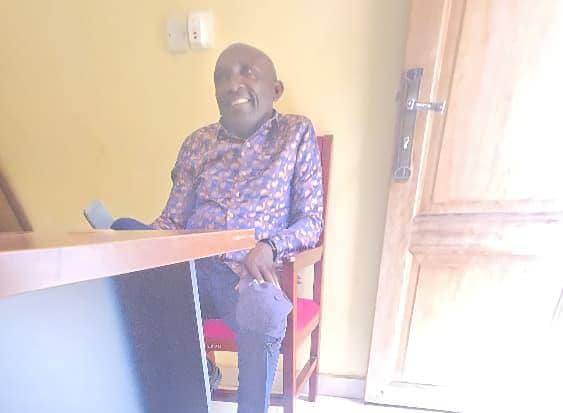
President Yoweri Museveni’s younger brother, Godfrey Aine Kaguta, has defended the appointment of members of the First Family to influential government positions, dismissing claims that Uganda has become a “family affair.”
Kaguta, who is the Member of Parliament for Mawogola North County, said being related to the President should not automatically prevent someone from serving the country if they have the ability and experience required for the job.
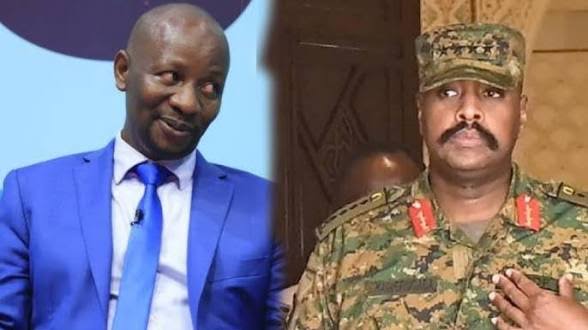
The legislator was responding to criticism from former Kira Municipality MP and opposition politician Ibrahim Ssemujju Nganda, who accused President Museveni of favouring his family members in key government appointments.
Ssemujju recently questioned the appointment of Gen Muhoozi Kainerugaba as Chief of Defence Forces, Gen Salim Saleh as the coordinator of Operation Wealth Creation, and First Lady Janet Museveni as Minister of Education and Sports.
According to Ssemujju, giving powerful positions to members of the First Family amounts to nepotism and has weakened equal opportunities for other Ugandans.
“When a man appoints his son the head of the military, puts his brother in charge of wealth distribution, puts his son-in-law in charge of the country’s exports and above all, appoints his sick wife minister for education, you do not need a PhD holder in history to tell you that you have been turned into slaves. You are no longer citizens, you are slaves,” Ssemujju said.

However, Kaguta rejected the accusations, saying critics often ignore the sacrifices and contributions made by some members of Museveni’s family before they joined government leadership.
He questioned why no one raised concerns when members of the Kaguta family were participating in the armed struggle that led to the victory of the National Resistance Movement (NRM).
“Why is it that nobody questioned when Mzee Amos Kaguta’s sons were in the bush fighting for this nation’s freedom?” Kaguta asked.
He argued that individuals should be judged based on their abilities, commitment and contribution to the country rather than their family connections.
Kaguta specifically defended Gen Salim Saleh, saying his role during the National Resistance Army (NRA) bush war demonstrated his commitment to Uganda long before he held government positions.
He also pointed to Gen Muhoozi Kainerugaba’s military career, saying he served Uganda in different capacities before becoming Chief of Defence Forces.
“Nobody cared when Gen Salim Saleh had bullets go through his body while liberating this country. Nobody questioned when Gen Muhoozi served his nation in Garamba, Somalia and other missions,” he said.
The Mawogola North MP said it would be unfair to deny someone an opportunity to serve the country simply because they happen to be related to the President.
“My fellow Ugandans, why should being the President’s wife, brother, son, or relative disqualify a Ugandan from serving their own nation?” he asked.
Kaguta said such arguments amount to double standards, arguing that family members should also be allowed to contribute to national development.
“Isn’t that clear double standards? Should we say that their sacrifice was never a problem then but now that reward is involved offence takes precedence?” he questioned.
The legislator further argued that President Museveni has appointed many Ugandans who have no family connection to him, saying his ability to identify talent should not be questioned when it comes to his relatives.
“President Museveni has a proven record of identifying, nurturing talent and bringing out the best in people,” Kaguta said.
He added that the same leadership ability that enabled Museveni to recognize capable individuals across the country should also apply when assessing people close to him.

“I’m curious if the eye that has spotted ability in countless Ugandans with no relation to him at all and elevated them to serve with him is the same eye that would go blind or biased the moment it looked at those close to it,” Kaguta stated.
The debate over the involvement of members of the First Family in government has continued to attract strong reactions from both government supporters and critics.
While supporters argue that relatives of leaders should not be punished because of their family relationships, critics maintain that powerful positions should be filled through broader considerations of fairness and public trust.
Ssemujju, who has been living outside Uganda after leaving the country earlier this year, has continued criticizing the government over governance issues and the treatment of opposition figures.
He has also raised concerns over the arrests and detention of opposition leaders, including Dr. Kizza Besigye, Erias Lukwago and Muhammad Muwanga Kivumbi.
The latest exchange between Kaguta and Ssemujju has once again reopened the national debate about public appointments, family influence and leadership in Uganda.
About the Author