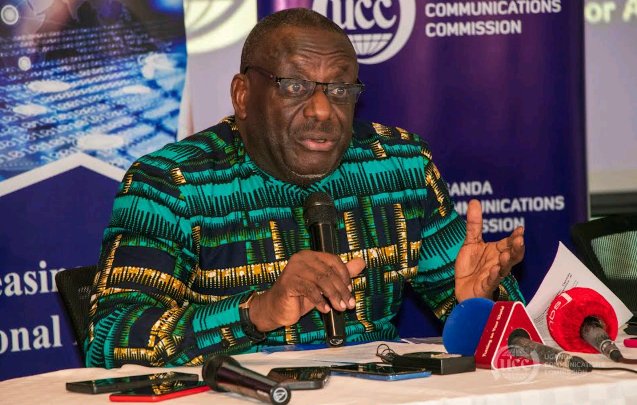
After days of nationwide internet restrictions, Uganda has fully reopened its digital networks, allowing citizens to use online services without interruption, the Uganda Communications Commission (UCC) announced on Monday. The move comes after a period of heightened control over social media, messaging apps, and other online platforms during the election period.
The regulator explained that the temporary shutdown was necessary to complete “technical and security assessments” aimed at protecting the integrity of online services. With these assessments concluded, the country’s internet has returned to full functionality, bringing relief to millions of users.
During the outage, businesses, media organizations, and individuals faced significant challenges. Mobile money agents reported a sharp drop in transactions, small traders saw reduced sales, and companies relying on cloud systems experienced delays, highlighting the economic impact of even short-term digital restrictions.
The shutdown had been implemented on January 13, with authorities citing concerns about misinformation, electoral integrity, and public safety. While these measures were framed as protective, they disrupted daily communication, commerce, and information access for citizens across Uganda.
Legal experts and civil society leaders have questioned the basis of the restrictions, pointing out that Uganda’s constitution guarantees freedom of expression and access to information. The directive from UCC did not cite a specific law, raising debate about whether the measures were proportionate and legally grounded.
Phillip Karugaba, former president of the Uganda Law Society, emphasized that any limitations on constitutional rights should be clearly justified, time-bound, and aligned with the law. Many observers noted that transparency and accountability are crucial when restricting digital access in a democratic society.
For businesses and consumers alike, the restoration of internet access is a welcome development. It enables a return to normal operations, facilitates commerce, and reconnects citizens with essential communication channels that underpin daily life in Uganda’s increasingly digital economy.
Looking ahead, the UCC has promised ongoing monitoring of online networks to maintain a “safe, stable and reliable digital environment.” The episode serves as a reminder of the central role internet access plays in both economic activity and civic life, as well as the delicate balance between security and rights in the digital era.
About the Author