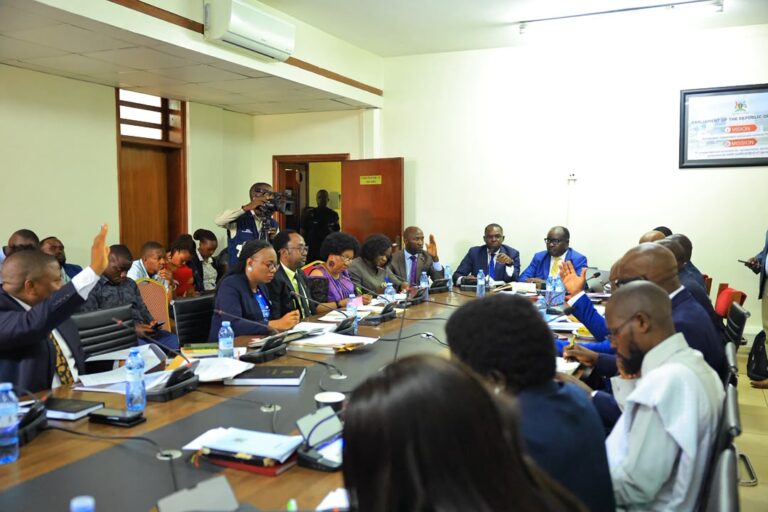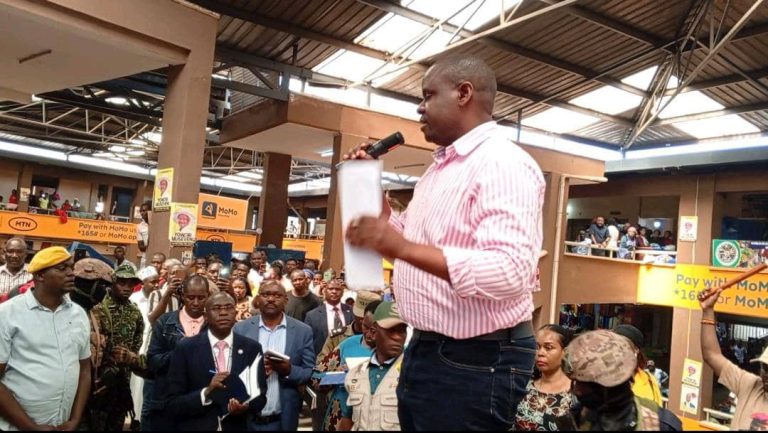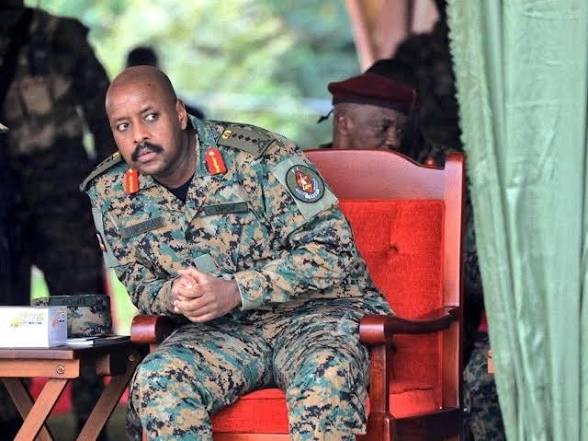
Uganda’s Parliament has suspended the newly introduced guidelines by the Ministry of Works and Transport, which set strict limits on the costs of rehabilitating district roads under the Shs1 billion road maintenance fund. The controversial decision, which capped road rehabilitation costs at Shs8 million to Shs20 million per kilometer, sparked an outcry from legislators, with many voicing concerns over its restrictive nature and the impact it would have on the effectiveness of the fund.
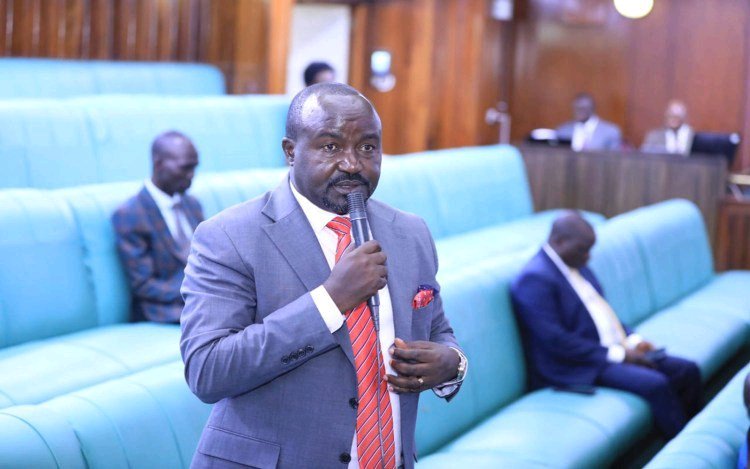
Hon. Patrick Nsamba Oshabe, the Member of Parliament for Kassanda County North, led the charge against the guidelines. He argued that the new policy would severely limit the number of kilometers that could be rehabilitated, reducing the coverage from an estimated 220 kilometers to just 120 kilometers. According to Nsamba, this drastic reduction undermined the original purpose of the fund, which was designed to ensure all district roads are motorable.
Nsamba further pointed out that the decision to impose such a cap was detrimental to the local context and needs of each district. He stressed that road rehabilitation priorities and budget allocation should be determined by the district roads committees, which are better suited to assess the unique requirements of each area. “This kills the purpose of this road fund,” Nsamba declared, advocating for the empowerment of local authorities to manage and allocate funds based on specific needs.
The Speaker of Parliament, Hon. Anita Among, who presided over the session, supported the concerns raised by Nsamba and other lawmakers. Speaker Among argued that the new guidelines were too rigid and failed to account for the diverse terrain and challenges that vary across the country. “You can’t predetermine the cost without knowing the nature or terrain of the roads,” she remarked, stressing the importance of flexibility in road rehabilitation planning.
The call for the suspension of the guidelines gained widespread support, with many MPs joining the chorus of criticism.
Hon. Denis Hamson Obua, the Government Chief Whip, also weighed in, agreeing that the new cost limits were unreasonable. He pointed to the example of Alebtong, where Shs3.5 million per kilometer was sufficient to rehabilitate 220 kilometers of road, illustrating the wide gap between the proposed cost limits and the realities on the ground.
Obua and others argued that imposing arbitrary cost ceilings without considering the unique circumstances of each district would lead to inefficiencies and the misallocation of funds. He further emphasized that district roads committees should be trusted to make decisions based on local priorities and conditions, not centrally imposed directives.
In a vote held by Parliament, the motion to suspend the new guidelines was passed, signaling a significant pushback against the Ministry’s directive. This suspension reflects a broader concern about the centralization of decision-making power and the importance of ensuring that local governments retain control over critical infrastructure projects in their areas.
The suspension now provides an opportunity for further discussion between the Ministry of Works and Transport and Parliament, allowing local governments to have a more active role in shaping the policies that affect their communities. While the future of the road maintenance fund remains uncertain, the decision to pause the implementation of these new guidelines underscores the importance of balancing national directives with local expertise and priorities.
About the Author