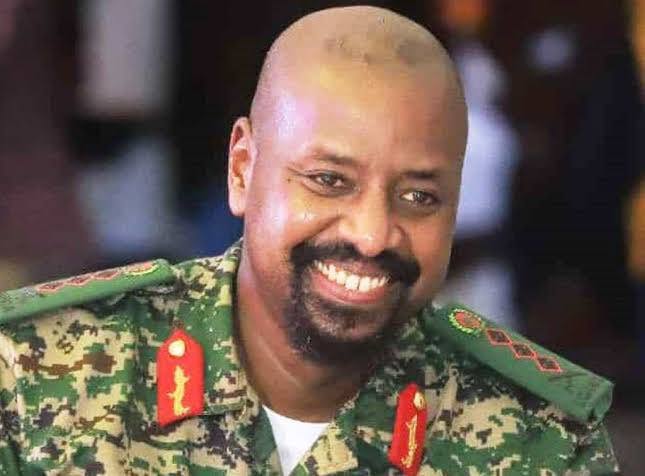
Uganda’s Chief of Defence Forces, Muhoozi Kainerugaba, has once again stirred debate after making fresh remarks about his controversial social media presence and its impact on diplomatic circles operating within Uganda.
In a statement shared publicly, Gen Muhoozi claimed that Turkish representatives and interests in Uganda were advised by Western diplomats not to react to his often provocative online posts. The comments immediately attracted attention across political and diplomatic circles.
According to the military chief, the advice allegedly came from diplomats representing countries such as the United Kingdom and France, whom he described as more experienced in dealing with his outspoken style of communication.
Muhoozi suggested that foreign officials had learned over time that responding directly to his social media commentary often generates more publicity and unnecessary diplomatic tension than remaining silent.

“The Turks in Uganda were advised by the much smarter British and French, and I suspect the Dutch, not to respond,” he reportedly stated, implying that some foreign missions had developed strategies for handling his online remarks.
His comments have reignited discussions about the growing role of social media in diplomacy and how public statements by senior government officials can influence international relations.
Over the years, Muhoozi has become known for posting messages on political, military, and diplomatic issues, many of which have generated headlines both within Uganda and beyond its borders.
Some of his previous posts have sparked reactions from foreign governments, political analysts, and members of the public, with critics arguing that certain statements risk creating unnecessary diplomatic misunderstandings.
Supporters, however, view his online presence differently, describing it as a reflection of a modern and direct communication style that bypasses traditional diplomatic channels.
The latest remarks appear to suggest that some diplomatic missions have chosen a policy of restraint when dealing with his posts, preferring not to engage publicly with controversial comments.
Political observers note that international diplomats often avoid responding to statements that could escalate tensions or draw attention to issues they consider minor or temporary.
Others argue that silence can sometimes be interpreted as a strategic decision aimed at preserving bilateral relationships and maintaining focus on broader diplomatic priorities.
The reference to Turkish interests in Uganda has added another layer to the conversation, given the growing economic and investment ties between Uganda and Turkey in recent years.
Turkey has expanded its footprint across Africa through trade, infrastructure projects, education, and diplomatic engagement, making its relationship with Uganda increasingly significant.
Meanwhile, Uganda continues to maintain longstanding diplomatic and economic partnerships with several European nations, including Britain, France, and the Netherlands.
Analysts say Muhoozi’s comments may reflect the complex balance foreign diplomats often have to maintain when dealing with outspoken political and military figures.

The statement has also generated lively debate on social media, where supporters praised the general’s confidence while critics questioned the appropriateness of discussing diplomatic interactions in such a public manner.
Despite the controversy, Muhoozi remains one of Uganda’s most closely followed public figures online, with his posts regularly attracting significant attention from both supporters and detractors.
His ability to dominate public discourse through social media has made him a unique figure in Uganda’s political and military landscape, where online platforms increasingly shape public debate.
Whether viewed as a lighthearted observation, political commentary, or a serious reflection on diplomatic strategy, Muhoozi’s latest remarks have once again succeeded in capturing national attention and fueling conversations about the intersection of diplomacy, influence, and social media in modern governance.
About the Author







