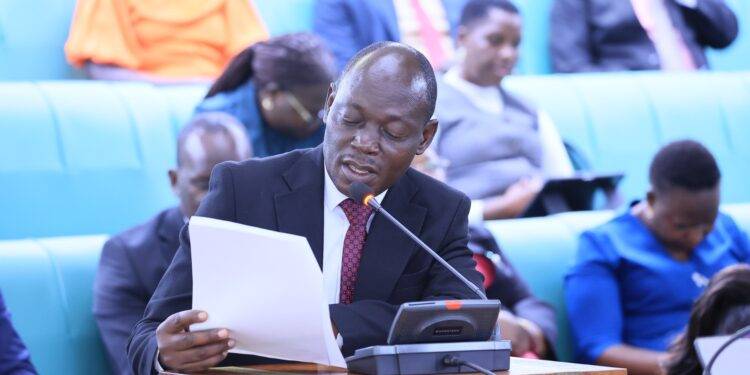
Academic and public administrator Dr. Lawrence Muganga has spoken out strongly over his failed ministerial appointment, insisting that his rejection had nothing to do with competence, documentation, or integrity, but was instead driven by personal hostility and discrimination.
In a detailed statement, Dr. Muganga dismissed claims that his vetting outcome was influenced by questions surrounding passports or eligibility, describing such allegations as deliberate misinformation intended to misrepresent his identity and background.
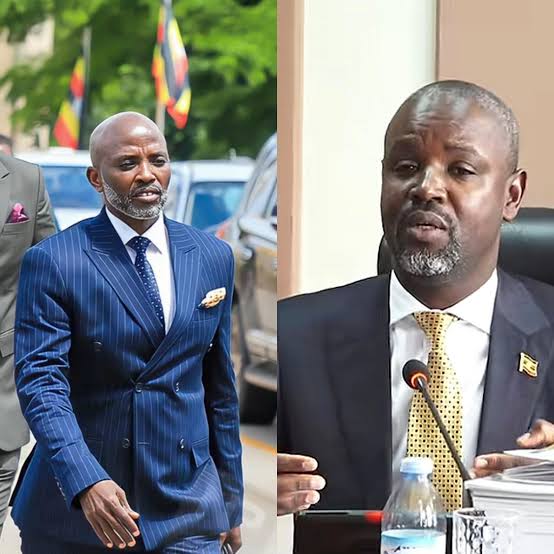
He directly accused Deputy Speaker Thomas Tayebwa of introducing false narratives during the vetting process, including claims regarding his citizenship status, which he firmly denied.
Muganga further alleged that the decision to reject his appointment had already been predetermined before the formal committee process began, suggesting that the exercise was procedural rather than merit-based.

He cited what he described as a troubling remark allegedly made during the proceedings, in which he claims he was told that “someone had to be failed,” a statement he interprets as evidence of bias rather than objective evaluation.
According to Muganga, this experience was not simply an administrative setback but a deeply personal encounter that reflected, in his view, targeted discrimination against him as a Munyarwanda.
He emphasized that his identity as a member of the Banyarwanda community should not be used as a basis for exclusion, arguing that citizenship and contribution to national development should outweigh ethnic or ancestral considerations.
Muganga stated that he has served in various professional capacities across multiple countries and institutions, and in all those experiences, he had never encountered what he described as such intense hostility in a formal governance setting.
He claimed that several members of the parliamentary appointment committee witnessed the proceedings and could potentially corroborate his account of how the vetting was conducted.
The academic questioned whether his rejection was motivated by deeper concerns unrelated to qualifications, asking why his presence in the Ministry of Internal Affairs would have been perceived as threatening.

He suggested that if such motivations existed, they should be openly addressed, rather than concealed behind procedural justifications or administrative explanations.
Muganga stressed that Uganda belongs equally to all its citizens regardless of ethnic background, asserting that no group should be treated as second-class citizens under any circumstances.
He warned against what he described as selective application of institutional processes, arguing that such practices risk undermining trust in governance and public appointments.
His remarks have sparked renewed debate about citizenship, identity, and fairness in public service appointments, particularly concerning Ugandans of Rwandan descent.
Supporters of Muganga argue that his experience highlights long-standing concerns about inclusion and representation in state institutions.
Critics, however, maintain that parliamentary vetting is a standard constitutional process and caution against interpreting its outcomes through an ethnic or political lens.

The controversy has also drawn attention to broader discussions about transparency in parliamentary committees and the criteria used in approving ministerial nominees.
Observers note that public disputes of this nature often reflect deeper tensions within political institutions regarding trust, fairness, and internal decision-making processes.
Despite the controversy, Muganga has maintained that he will continue to speak out, insisting that his goal is not personal revenge but accountability and equal treatment for all Ugandans.
As the debate continues, his statements have added another layer to ongoing national conversations about identity, governance, and the boundaries of political vetting in Uganda’s public service system.
About the Author