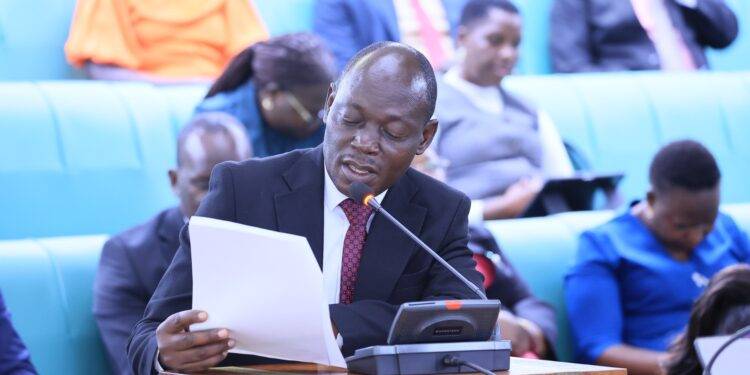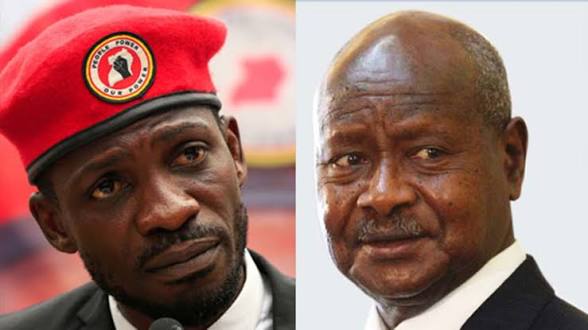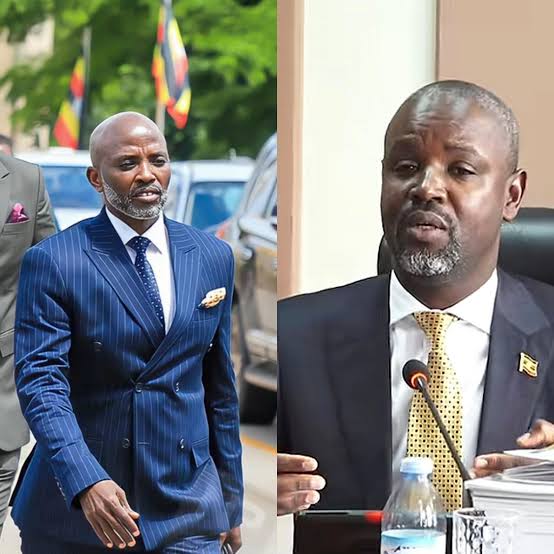
A new political storm has erupted following remarks by Ugandan legislator Daudi Kabanda, who has publicly questioned the process allegedly followed by Prof. Lawrence Muganga in attempting to renounce his foreign citizenship. The comments come in the wake of Muganga’s rejection by Parliament’s Appointments Committee for the position of State Minister for Internal Affairs.
Kabanda, known for his outspoken views on governance and constitutional matters, claimed that the procedure reportedly undertaken by Muganga did not satisfy the legal requirements necessary for renouncing citizenship. His remarks have added another layer of controversy to an already heated debate surrounding dual citizenship and eligibility for public office.
According to Kabanda, citizenship renunciation is a formal legal process that must be handled through the competent authorities of the country whose citizenship is being surrendered. He argued that any attempt to bypass established procedures would raise serious legal questions about the validity of the renunciation.
In one of the most widely discussed parts of his statement, Kabanda appealed to anyone close to Muganga to relay his concerns directly to the academic and university administrator. He maintained that the process allegedly followed was fundamentally defective and incapable of producing the intended legal outcome.

Kabanda used a striking analogy to illustrate his argument, comparing the situation to marrying someone’s daughter before a lawyer without first visiting her parents. The metaphor was intended to suggest that crucial steps had allegedly been skipped in pursuit of a desired result.
The legislator argued that citizenship matters are governed by specific laws and administrative procedures that cannot be substituted by actions taken before unrelated institutions. He emphasized that legal compliance requires following the correct chain of authority from beginning to end.
His comments quickly gained traction across political circles and social media platforms, with supporters praising his insistence on legal procedure while critics questioned both the timing and tone of his intervention. The debate has since expanded beyond Muganga himself to broader questions about constitutional eligibility.
The controversy intensified because Muganga’s ministerial nomination had already encountered obstacles during parliamentary vetting. Members of the Appointments Committee reportedly scrutinized issues relating to citizenship status before eventually declining to endorse his appointment.
The committee’s decision surprised many observers who viewed Muganga as one of the more prominent nominees in President Museveni’s latest cabinet lineup. His reputation as an education reform advocate and university leader had made him a notable candidate for public office.
Supporters of Muganga have argued that the discussion should focus on whether there was a genuine commitment to comply with legal requirements rather than on technical disputes surrounding procedure. They contend that intentions should also be considered during the vetting process.

Others, however, insist that constitutional and legal requirements cannot be satisfied through promises alone. They argue that individuals seeking high public office must demonstrate complete compliance with all legal obligations before assuming responsibility.
Kabanda belongs to a group of lawmakers who have consistently advocated for strict adherence to constitutional provisions. His latest remarks reflect a broader concern among some legislators about maintaining clear standards for eligibility and public accountability.
The debate has also drawn attention to the complexity of dual citizenship laws and their implications for political appointments. Legal experts note that the issue has generated disputes in Uganda for years, often producing differing interpretations among politicians and lawyers.
Questions have emerged regarding whether renunciation processes should be completed before nomination, before vetting, or before assumption of office. The absence of unanimous agreement on these questions continues to fuel controversy whenever citizenship issues arise.
Meanwhile, attention remains focused on the specific circumstances that led to Muganga’s rejection while other nominees facing citizenship-related questions were ultimately approved. The differing outcomes have prompted renewed scrutiny of the standards applied during parliamentary assessments.
Political analysts believe the controversy extends beyond a single appointment. In their view, the dispute touches on broader issues involving constitutional interpretation, legal consistency, and public confidence in government institutions.

For Muganga, the situation represents an unexpected challenge in a career largely associated with education, innovation, and institutional leadership. His supporters argue that his professional accomplishments deserve recognition regardless of the political controversy now surrounding his nomination.
For Kabanda, however, the matter appears to be one of legal principle rather than personal disagreement. His public statements suggest he believes the integrity of public office depends on strict compliance with established legal procedures.
As public debate continues, many Ugandans are watching closely to see whether additional clarification will emerge regarding the citizenship issue and the reasons behind the committee’s decision. The controversy has become one of the most discussed political stories following the unveiling of the new cabinet.
Whether the matter results in further legal examination or fades from the national spotlight, it has already reignited an important conversation about citizenship, constitutional requirements, and the standards expected of individuals seeking to serve in the highest levels of government.
About the Author