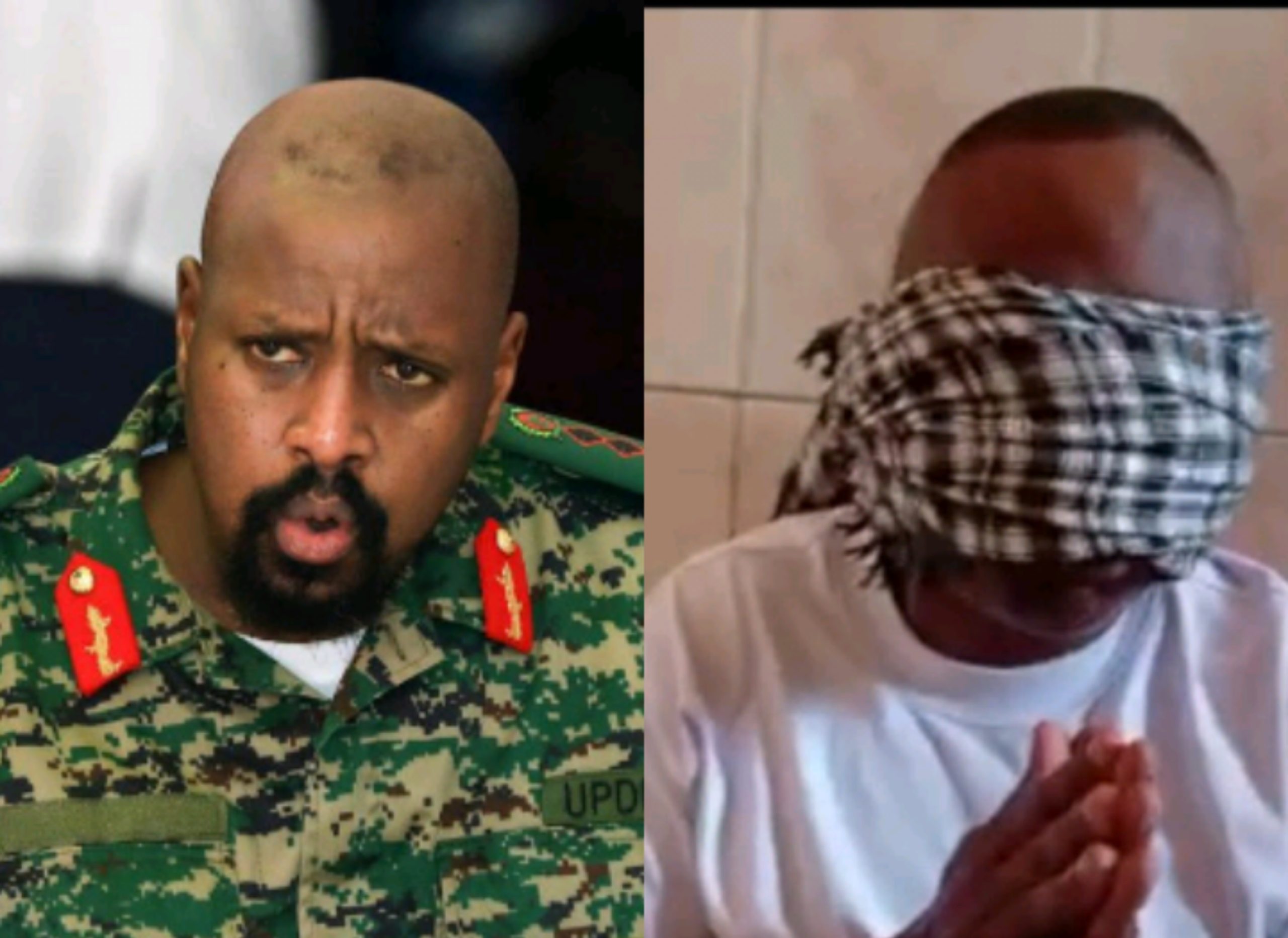
Gen. Muhoozi Kainerugaba has sparked fresh political controversy following remarks circulating online in which he is said to have linked the arrest of opposition politician Erias Lukwago to what he described as a wider “rectification campaign” in Uganda.
The comments, which have been widely shared on social media platforms, suggest that Lukwago’s detention is not an isolated incident but part of a broader political and security effort targeting individuals accused of undermining the state.
The statement quickly gained traction online, with many Ugandans interpreting it in different ways and debating its meaning and implications for the country’s political environment.
Lukwago, a well-known opposition leader and former Kampala Lord Mayor, was recently arrested and charged with misprision of treason, a development that has already drawn strong reactions from political supporters and legal observers.
His detention has been condemned by opposition figures, who argue that the charges are politically motivated and meant to weaken dissenting voices in the country.
The latest remarks attributed to Muhoozi have now added a new layer of controversy, with some interpreting them as a sign that more political figures could face legal action.

Opposition supporters have expressed concern over what they describe as an increasingly tense political climate, warning that such rhetoric risks deepening divisions in the country.
Human rights advocates have also emphasized the importance of due process, stating that all legal cases should be handled through proper judicial channels without political interference.
Legal analysts note that under Uganda’s legal framework, arrests and prosecutions are expected to follow established procedures and must be proven in court.
Supporters of Muhoozi, however, argue that his comments reflect a strong stance on law and order, insisting that anyone suspected of wrongdoing should be investigated and held accountable.
They maintain that maintaining national security sometimes requires tough measures against individuals perceived to be engaging in unlawful activities.
The debate has continued to spread widely across social media, where Ugandans remain sharply divided over the interpretation of the remarks.
Some users have welcomed what they view as a firm approach to governance, while others have criticized the tone of the statement as potentially inflammatory.
Political analysts say the situation reflects ongoing tensions between government-aligned figures and opposition leaders, which have increasingly played out in public digital spaces.

They further note that Uganda’s political discourse has become more confrontational in recent years, with social media accelerating the spread of political statements and reactions.
The arrest of Lukwago has also reignited wider discussions about the space for political opposition and the limits of dissent in the country.
Civil society voices have called for restraint from all sides and urged that politically sensitive matters be handled in ways that protect institutional integrity.
As discussions continue, authorities have not issued any formal clarification regarding the broader claims circulating online.
For now, Lukwago remains in custody as legal proceedings continue, while the political debate surrounding his arrest and the statements attributed to Muhoozi shows no sign of easing.
The developments have once again placed Uganda’s political climate under scrutiny, highlighting the growing sensitivity around arrests of opposition figures and the rhetoric surrounding them.
About the Author