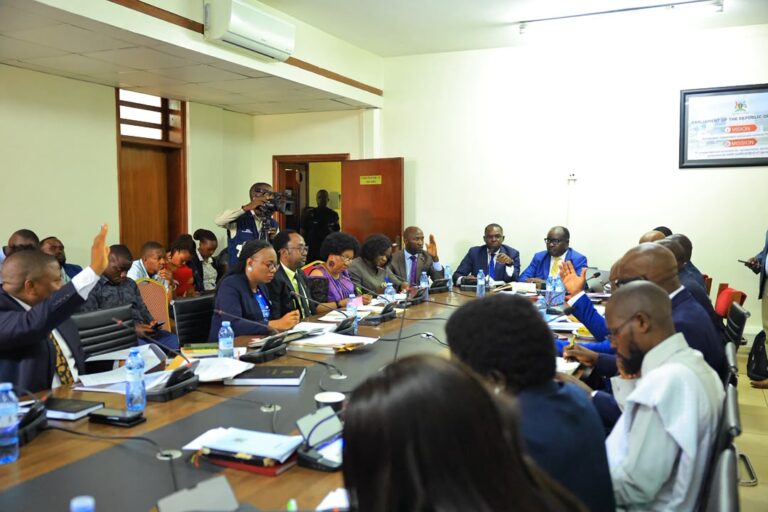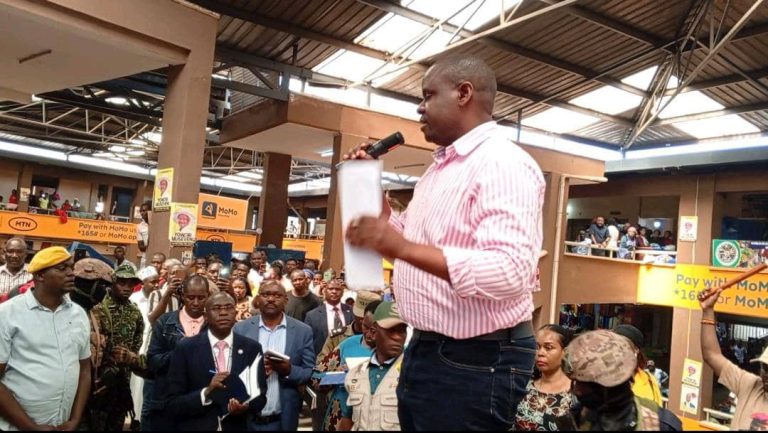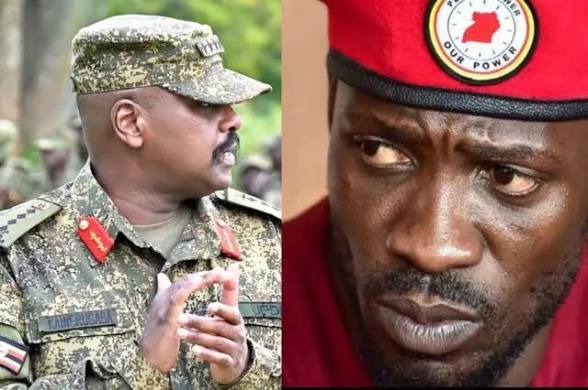
Journalist and political commentator Andrew Mwenda has announced that discussions are underway aimed at facilitating the reopening of Daily Monitor and NTV Uganda following recent developments that led to the disruption of operations at the two media outlets. His statement has generated widespread interest among journalists, media stakeholders, political leaders, and members of the public who have been closely following the situation.
In a message shared on social media, Mwenda revealed that he had held discussions with Uganda’s Chief of Defence Forces, Muhoozi Kainerugaba, regarding the future of the affected media organizations. According to Mwenda, leaders within the Patriotic League of Uganda (PLU) agreed that efforts should be made to ensure that both Daily Monitor and NTV resume operations in the near future.
The announcement came at a time when uncertainty continues to surround the status of the media houses. Since the disruption of their operations, many Ugandans have been seeking clarification regarding the circumstances that led to the closure and how long the situation is expected to continue.
Mwenda indicated that while there is willingness to reopen the outlets, the process will involve prior engagement with the management of the companies involved. He explained that discussions with the leadership of the affected organizations would be necessary before any final decision is implemented.
According to his statement, the proposed meeting is intended to create an opportunity for dialogue between key stakeholders. Such discussions, he suggested, would help address concerns that may have contributed to the dispute while also exploring ways to move forward constructively.
The development has been welcomed by some observers who believe that dialogue remains the most effective approach whenever disagreements arise between state institutions and media organizations. Supporters of negotiations argue that open communication can help reduce tensions and promote mutual understanding.

For journalists working within the affected organizations, Mwenda’s comments have offered a measure of optimism after days of uncertainty. The possibility of reopening has raised hopes among employees, media practitioners, and audiences who rely on the outlets for news and information.
Daily Monitor and NTV Uganda are among the country’s most recognizable media brands and have built significant audiences over the years. Their reach extends across various segments of society, making their absence from the media landscape particularly noticeable.
Media analysts note that the continued operation of independent news organizations is important for ensuring access to diverse perspectives on national issues. As a result, any developments regarding the future of major media houses often attract considerable public attention.
The announcement has also sparked discussion about the role of mediation in resolving conflicts involving media institutions. Some commentators have praised Mwenda for taking the initiative to facilitate conversations between different parties, arguing that dialogue can help prevent prolonged disputes.
Others, however, have emphasized the importance of transparency throughout the process. They argue that the public deserves clear information regarding the reasons behind the disruption of operations and the conditions under which normal broadcasting and publishing activities may resume.
Political observers say the issue extends beyond the fate of two media organizations. In their view, the developments have broader implications for public confidence in institutions, media freedom, and the relationship between government authorities and the press.
Meanwhile, supporters of the Patriotic League of Uganda have welcomed Mwenda’s statement as evidence that efforts are being made to find a practical solution. Many have expressed hope that discussions will lead to a positive outcome that benefits all parties involved.
The announcement also highlights the growing influence of social media as a platform for communicating major political and institutional developments. Within hours of Mwenda’s post, the message had generated extensive discussion across various online platforms.
Several stakeholders have urged all parties involved to approach the planned discussions in good faith. They argue that successful dialogue requires compromise, mutual respect, and a shared commitment to finding common ground.

Media rights advocates have also called for a resolution that protects the interests of journalists while ensuring that the public continues to have access to independent news coverage. They believe that maintaining a vibrant media sector is essential for democratic governance and informed public participation.
As anticipation builds around the proposed meeting, many Ugandans are waiting to see whether the discussions will result in a clear roadmap for reopening the affected outlets. The outcome could significantly influence public perceptions regarding the handling of the matter.
For Daily Monitor and NTV audiences, the possibility of a return to normal operations represents more than just the restoration of media services. It symbolizes the potential resolution of a controversy that has dominated national conversations in recent days.
Industry experts note that the reopening process, if successful, could provide an opportunity for all stakeholders to strengthen communication channels and avoid similar disputes in the future. Constructive engagement, they argue, often produces more sustainable solutions than prolonged confrontation.
As the country awaits further updates, attention remains focused on the planned discussions between PLU leaders, Gen Muhoozi Kainerugaba, and the management of the affected media companies.
Many observers hope that the talks will pave the way for a resolution that restores operations, reassures the public, and contributes to stability within Uganda’s media sector.I can also make it more sensational and newspaper-style with a stronger headline and emotional quotes if it’s intended for a news website.
About the Author