A fresh chapter has emerged in the ongoing dispute between Nation Media Group (NMG) and the Ugandan government after veteran journalist and shareholder Wafula Oguttu declared that the company will not dismiss its managers or editors to satisfy demands reportedly raised during negotiations over the reopening of the Daily Monitor and NTV Uganda.
Speaking during a radio talk show, Oguttu made it clear that the media company would rather keep its staff than sacrifice them in exchange for a return to normal operations. His remarks have quickly attracted attention from journalists, media freedom advocates, politicians, and members of the public following weeks of uncertainty surrounding the future of some of Uganda’s most influential media outlets.
According to Oguttu, reports suggesting that certain managers and editors should be removed as part of efforts to resolve the standoff are unacceptable. He argued that employees should not become victims of political disagreements or negotiations taking place behind closed doors.
The veteran journalist, who was among the founders of the Daily Monitor, said the company has always stood for independent journalism and would not abandon its principles simply because it is facing pressure. He emphasized that protecting professional staff remains one of the organization’s priorities.
The controversy follows the disruption of operations at Nation Media Group Uganda, which affected newspaper printing, television broadcasting, radio programming, and digital services. The shutdown triggered widespread concern among media practitioners and observers across the region.
Government officials have maintained that the actions taken against the media house were linked to a security-led inquiry ordered by President Yoweri Kaguta Museveni and involving multiple security agencies. Authorities insist that the process is intended to address issues they consider important to national security and public order.

Reports from individuals familiar with the ongoing discussions suggest that concerns have been raised about the company’s editorial direction, newsroom culture, and management structure. Some government representatives reportedly believe changes are needed before operations can fully resume.
Among the issues reportedly discussed is the leadership of Nation Media Group Uganda Managing Director Susan Nsibirwa. Sources indicate that questions have been raised about her management style and the editorial decisions made under her leadership, although the company has not publicly commented on such claims.
Despite the reports, no official announcement has been made regarding any management changes. Nation Media Group has remained largely silent while negotiations continue, leaving many employees and stakeholders waiting for clarity on the future of the organization.
Oguttu argued that disagreements between the media and government are not new. He noted that since the founding of the Monitor newspaper decades ago, the publication has frequently found itself at odds with those in power because of stories that authorities considered controversial or unfavorable.
According to him, previous disputes were usually handled through established legal and regulatory mechanisms. He said government institutions would often issue formal complaints, seek clarifications, or challenge stories through the courts rather than resorting to more dramatic interventions.
The former opposition leader expressed concern about the manner in which the current dispute unfolded. He suggested that the involvement of security agencies and public statements from senior military figures represented a departure from the approaches used in earlier disagreements.
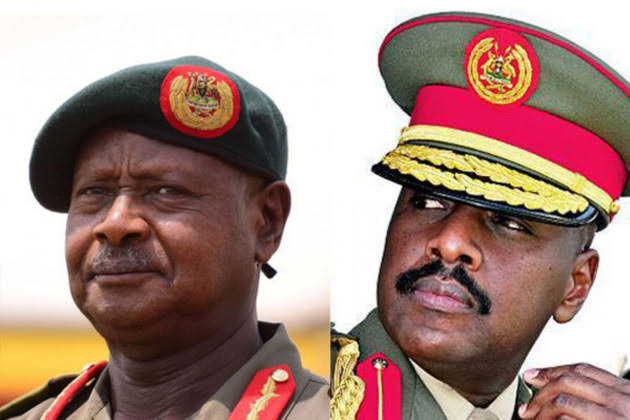
Much attention has also focused on the role of Chief of Defence Forces Muhoozi Kainerugaba, whose social media posts regarding the media house generated significant public debate. Critics argue that military leaders should not play a direct role in matters involving independent media organizations.
Supporters of the government’s position, however, maintain that no institution should be above scrutiny and that concerns about national security, misinformation, and responsible journalism must be taken seriously regardless of the status of a media organization.

Oguttu strongly defended the Daily Monitor’s editorial practices, insisting that its reports are based on documents, credible sources, and verifiable information. He argued that professional journalism requires evidence and that the newspaper has consistently followed established reporting standards.
He further noted that although the media house has faced numerous legal challenges over the years, it has successfully defended many of its stories in court. According to him, this demonstrates the strength of the newspaper’s editorial processes and commitment to factual reporting.
Beyond the debate over press freedom, Oguttu highlighted the economic consequences of the shutdown. He warned that hundreds of direct employees and thousands of individuals connected to the company’s operations could suffer financial hardship if the situation remains unresolved.
The impact extends beyond journalists and editors. Printers, distributors, vendors, advertisers, freelancers, transport providers, and many other service providers rely on Nation Media Group’s operations for income. A prolonged closure could therefore affect livelihoods across multiple sectors.
Observers say the dispute has become one of the most significant media-government confrontations in Uganda in recent years. It has reignited discussions about press freedom, the limits of state authority, editorial independence, and the role of the media in a democratic society.
As negotiations continue behind the scenes, many Ugandans remain eager to see how the matter will be resolved. Whether through compromise, legal action, or continued dialogue, the outcome is expected to have lasting implications for the relationship between the government, the media, and the future of independent journalism in Uganda.
About the Author