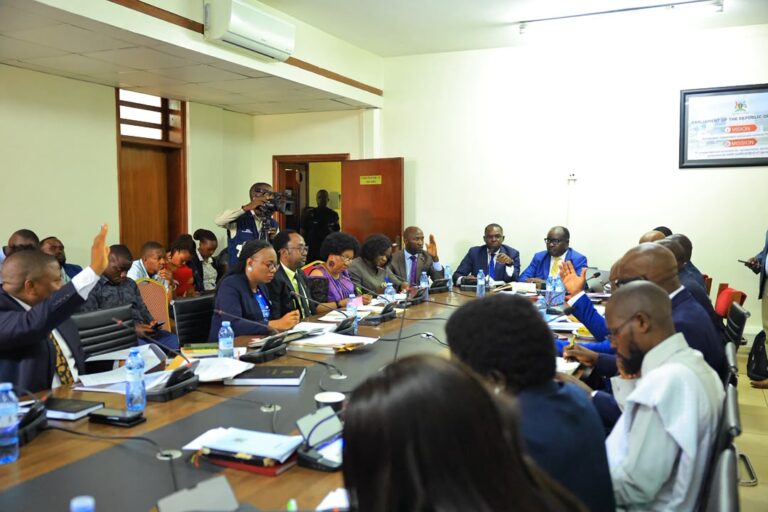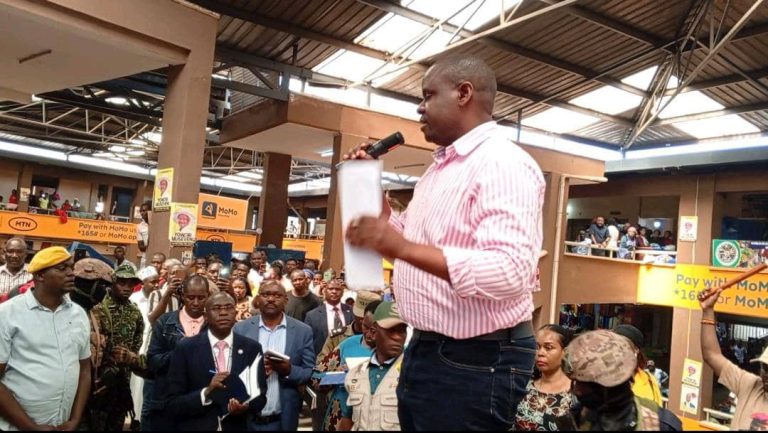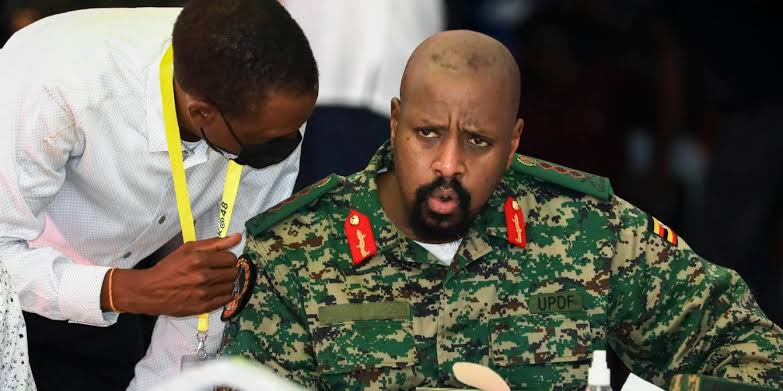
Tensions surrounding the future of Uganda’s leading media outlets have continued to grow after reports emerged that shareholders and representatives of Nation Media Group (NMG) are unwilling to dismiss employees as part of efforts to resolve the ongoing standoff affecting the company’s operations. The development has sparked widespread debate about media independence, workers’ rights, and the relationship between the press and government institutions.
The controversy comes at a time when uncertainty continues to surround the future of the Daily Monitor, NTV Uganda, and other media platforms owned by Nation Media Group. The company remains engaged in discussions aimed at finding a lasting solution following the disruption of its operations.
According to statements attributed to veteran journalist and shareholder Wafula Oguttu, the media house is not prepared to sacrifice its managers, editors, or journalists in order to secure the reopening of its businesses. He reportedly maintained that protecting staff members is more important than yielding to demands that could undermine the organization’s principles.
The reported position has attracted significant public attention because it suggests that the company is prepared to endure financial losses rather than terminate employees who have served the organization over the years. Supporters of the media house have described the stance as a demonstration of loyalty and commitment to professional journalism.
Many observers believe the dispute extends beyond individual employees and touches on broader questions concerning editorial independence. Critics argue that media organizations should be free to make staffing decisions internally without external influence.
At the center of the debate are allegations that changes in management and editorial leadership have been discussed during ongoing negotiations. While various reports have circulated, no official statement has been issued confirming that any specific individuals will be removed from their positions.

The company’s supporters argue that journalists and editors should not become bargaining tools during disputes involving media operations. They insist that professional staff deserve protection and fair treatment regardless of political disagreements.
The standoff has also revived discussions about the role of independent journalism in Uganda. Media freedom advocates say strong and independent news organizations are essential for informing citizens and holding public institutions accountable.
According to individuals following the developments closely, the situation has created anxiety among employees who are uncertain about when normal operations will fully resume. Many workers continue to hope that a solution will be found without significant job losses.
Business analysts have pointed out that prolonged disruptions could have serious economic consequences. Beyond journalists and editors, many other people depend on the media company’s operations for their livelihoods, including suppliers, advertisers, vendors, transport providers, and freelance contributors.
The issue has generated extensive debate on social media, where citizens have expressed sharply divided opinions. Some have praised the company’s reported refusal to dismiss workers, while others believe compromises may be necessary to restore operations.
Political observers note that disputes between governments and media organizations are not uncommon around the world. However, they argue that the methods used to resolve such disagreements often determine public perceptions about democracy and institutional independence.
Supporters of Nation Media Group maintain that the company’s publications and broadcasts have built credibility over many years through investigative reporting, public-interest journalism, and coverage of national issues affecting ordinary citizens.
Meanwhile, those defending government concerns argue that media organizations must also operate responsibly and be accountable for the information they publish. They believe discussions about editorial standards should not automatically be interpreted as attacks on press freedom.

The situation has become even more significant because Nation Media Group is one of East Africa’s largest media companies. Its operations reach millions of readers, viewers, and listeners across Uganda and the wider region.
Industry experts say the outcome of the ongoing negotiations could influence future relations between media organizations and government institutions. Many stakeholders are therefore watching developments closely.
For employees, however, the most pressing concern remains job security. Workers and their families are eager to see a resolution that allows normal business operations to resume while protecting employment opportunities.
Media rights groups have also continued to monitor the situation, emphasizing the importance of safeguarding both freedom of expression and the welfare of media workers. Several organizations have called for constructive dialogue among all parties involved.
As discussions continue, there remains uncertainty about what final agreements may emerge. Neither the company nor the relevant authorities have publicly announced a definitive timeline for the full restoration of affected operations.
For now, the reported message from company representatives remains clear: they believe the future of the organization should not come at the expense of employees who have dedicated years of service to building the media house. Whether that position changes or remains firm will likely play a major role in determining how this highly watched dispute eventually ends.
About the Author