Gen Muhoozi Kainerugaba has publicly come out in defence of businessman and presidential advisor Odrek Rwabwogo, describing him as a close family member who should not be attacked despite disagreements or criticism directed toward him.
The Chief of Defence Forces (CDF) made the remarks while responding to comments involving Rwabwogo and political discussions that have recently attracted public attention.
Muhoozi said Rwabwogo holds a special place within his family because of his marriage to his sister, Patience Rwabwogo, and warned those targeting him to respect that relationship.
“Leave my brother Odrek. He married my beloved sister Patience. He cannot be touched. He is protected,” Muhoozi said.
The statement has generated debate among political observers, with many discussing the influence of family relationships within Uganda’s political environment.
Rwabwogo, who is married to President Yoweri Museveni’s daughter Patience, has often been mentioned in national discussions because of his business background, public engagements, and advisory role.

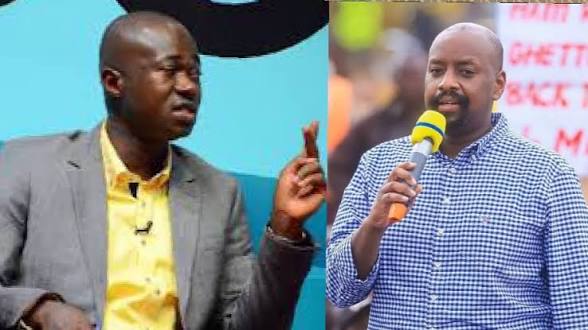
Muhoozi’s defence came after remarks attributed to Kawempe North Member of Parliament Daudi Kabanda, which appeared to trigger a response from the military commander.
Although political disagreements are common in Uganda’s public space, Muhoozi’s message highlighted the personal connections that exist among some of the country’s most influential figures.
The CDF emphasised that criticism should not cross certain boundaries, especially when it involves individuals connected to his family.
Rwabwogo has built a reputation as an entrepreneur and has been involved in discussions about economic development, agriculture, and investment in Uganda.
Over the years, he has also been linked to various political conversations due to his relationship with the first family and his involvement in national issues.
Muhoozi’s comments have once again placed attention on the role of family ties in Uganda’s political landscape, where personal relationships often intersect with public affairs.
Supporters of Muhoozi argue that his statement was a gesture of loyalty and family protection, while critics may interpret such remarks differently in the context of political accountability.
The exchange has also revived broader conversations about whether public figures should be treated differently because of their personal connections to powerful individuals.
Rwabwogo himself has previously maintained a public profile focused on business, entrepreneurship, and national development discussions.

Meanwhile, Daudi Kabanda, a legislator known for his outspoken views on political matters, has continued to attract attention through his public statements and engagements.
The latest disagreement demonstrates how quickly political comments involving influential personalities can attract reactions from senior figures.
Muhoozi’s response shows the strong bond he says exists between him and Rwabwogo, whom he regards not just as a public figure but as part of his extended family.
The statement comes at a time when Uganda’s political environment continues to experience intense debates involving leadership, succession, and the role of individuals connected to powerful families.
As discussions continue, the exchange between Muhoozi and Kabanda is likely to remain a subject of public interest because it brings together issues of family loyalty, political criticism, and public accountability.
For now, Muhoozi has made his position clear: he considers Odrek Rwabwogo a protected member of his family and believes attacks against him should not be tolerated.
About the Author