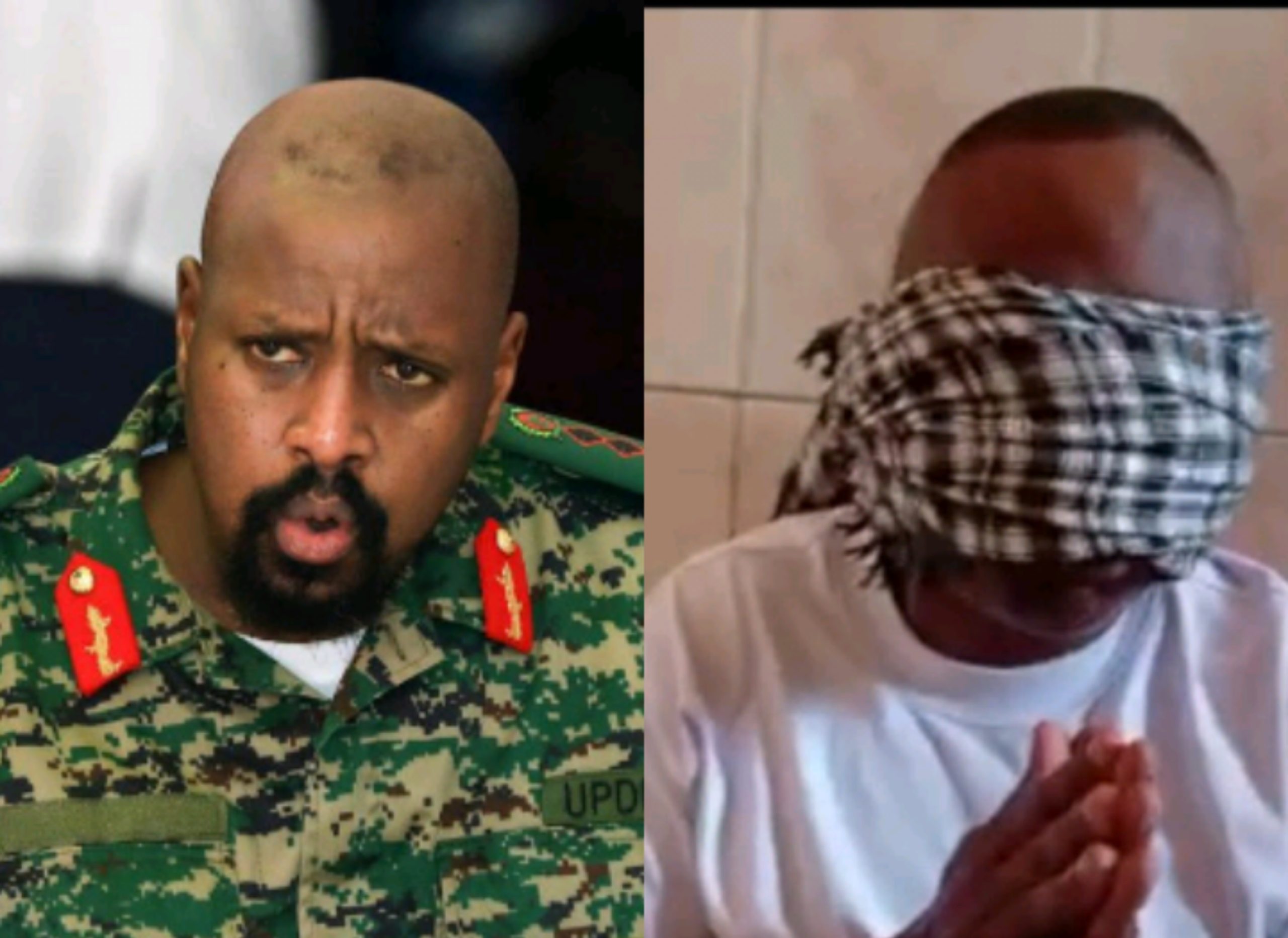
Gen Muhoozi Kainerugaba has once again stirred political debate after publicly praising retired Lt Gen Henry Tumukunde while taking a swipe at lawyer Erias Lukwago, saying the veteran opposition lawyer should learn from Tumukunde’s approach despite years of political disagreements.
The Chief of Defence Forces made the remarks in a social media post that quickly attracted widespread attention across Uganda’s political landscape.
In the message, Muhoozi thanked Tumukunde for what he described as his civility and respectful engagement even when they hold different political views.
He then turned his attention to Erias Lukwago, claiming the Kampala lawyer had spent many years working alongside opposition leader Dr Kizza Besigye in opposing him.
“Tumukunde, thank you for your message and civility. Advise Lukwago to learn from you. He has been fighting me with Besigye for many decades. We are going to finish it now,” Muhoozi wrote.
The statement immediately generated intense reactions because it mentioned two of Uganda’s best-known opposition figures, Dr Kizza Besigye and Erias Lukwago.

Lukwago has built a reputation over the years as one of Uganda’s most prominent human rights lawyers and has represented Besigye in numerous politically sensitive court cases.
His legal battles against government agencies have made him one of the most recognizable opposition lawyers in the country.
Muhoozi’s latest remarks also come only weeks after Lukwago himself became the subject of a high-profile arrest that drew both local and international attention.
In June, security operatives arrested Lukwago before he was later charged with misprision of treason, an offence alleging that he failed to report alleged treason-related activities. Prosecutors linked the charge to the broader treason case involving his client, Dr Kizza Besigye. Lukwago denied the accusations.
His arrest came shortly after he had been pursuing legal action against Gen Muhoozi over alleged threatening social media posts directed at Besigye, adding another layer to the already tense relationship between the two men.
Human rights organizations and legal bodies criticized the arrest, arguing that it raised concerns about the treatment of lawyers representing opposition figures and the independence of the legal profession.
For many years, Lukwago and Besigye have worked closely together in both political and legal struggles against the government.
The two have frequently appeared together during court proceedings, political rallies, and constitutional petitions challenging various government actions.
Besigye remains one of President Yoweri Museveni’s longest-serving political rivals, having contested several presidential elections while consistently accusing the government of undermining democracy.
Political observers believe Muhoozi’s latest comments reflect the increasingly heated political atmosphere as Uganda continues to experience sharp exchanges between senior government officials and opposition leaders.
The phrase, “We are going to finish it now,” became the most widely discussed part of Muhoozi’s statement, with supporters and critics offering different interpretations of what he intended to convey.

Some supporters viewed the remarks as a sign of determination to politically defeat long-time opponents.
Others argued that such language could further heighten political tensions, particularly at a time when several opposition figures are facing ongoing court cases.
The mention of Tumukunde also attracted attention because the retired general has previously had his own political disagreements with the government despite serving in senior military and cabinet positions.
Muhoozi’s praise suggested that he values respectful political engagement even among individuals who may not share his views.
Neither Erias Lukwago nor Dr Kizza Besigye had publicly responded to Muhoozi’s latest remarks at the time they began circulating widely online.
As public debate continues, Muhoozi’s comments have once again placed him at the center of Uganda’s political conversation, highlighting the deep divisions that continue to shape the country’s political landscape.
About the Author