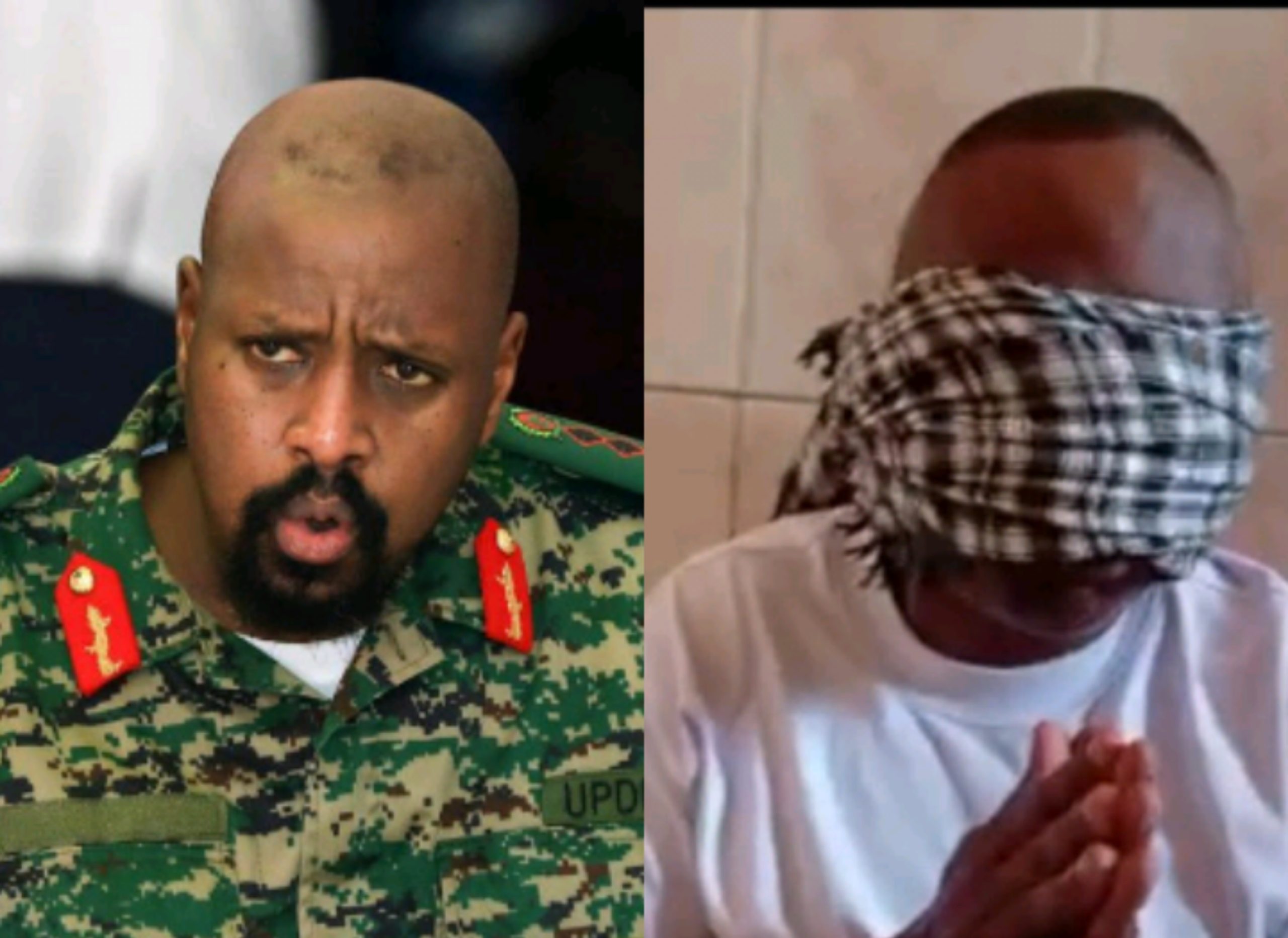
Gen Muhoozi Kainerugaba has sparked fresh controversy after issuing a warning to anyone planning to take legal action against him, saying he would arrest both the person bringing court documents and whoever serves them.
The Chief of Defence Forces made the remarks while responding to discussions surrounding possible legal action linked to his public statements and political engagements.
Muhoozi’s statement quickly attracted attention because it appeared to challenge individuals who may seek judicial remedies against him, raising debate about the relationship between powerful government officials and the justice system.
In his message, Muhoozi dared those intending to sue him to proceed, but warned that he would respond by taking action against those involved in serving the legal documents.
“Please serve the papers and I’ll arrest both you and whoever serves them,” Muhoozi said, according to the statement circulating widely.
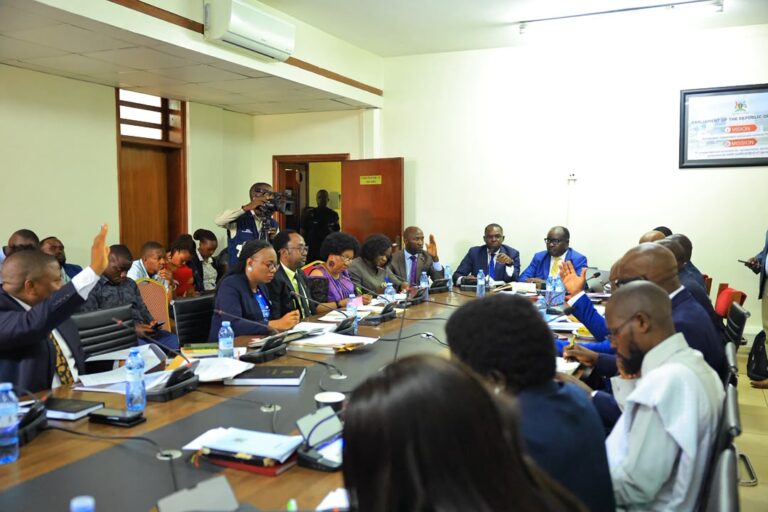
The remarks come amid heightened political tensions involving opposition figures, lawyers, and government officials, with several legal battles attracting national attention.

Muhoozi has previously engaged in public exchanges with opposition leaders and activists, often using social media platforms to respond to criticism and political accusations.
His latest statement has triggered debate among legal experts and political commentators, with some questioning whether such remarks could undermine public confidence in legal processes.
Others argue that political figures are entitled to defend themselves against what they consider unfair attacks, although responses involving threats of arrest have drawn scrutiny.
The controversy comes at a time when several prominent opposition figures and lawyers have been involved in court-related disputes.
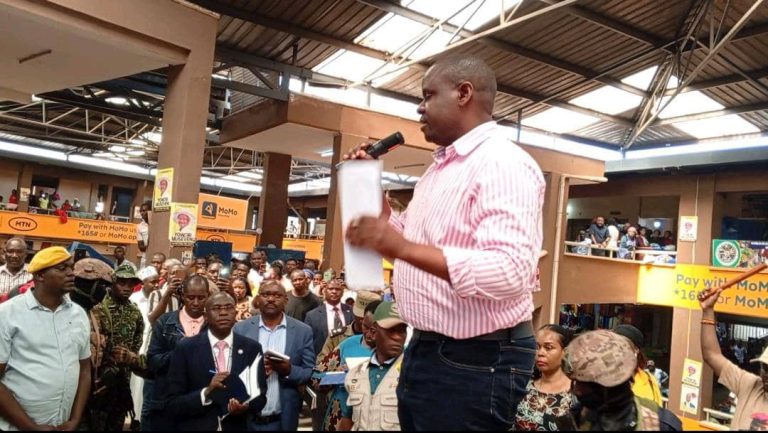
Kampala Lord Mayor and lawyer Erias Lukwago, who has represented opposition leader Dr Kizza Besigye in several cases, has recently faced legal challenges that have intensified discussions about politics and the justice system.
Lukwago’s arrest and charges related to allegations connected to the treason case involving Besigye have placed him at the center of national debate.
The developments have increased attention on the wider relationship between security agencies, government officials, opposition politicians, and the courts.
Muhoozi’s comments have also revived discussions about previous statements he has made involving political opponents and critics.
Supporters of the General argue that he is responding strongly to individuals they believe unfairly target him and other government leaders.
They say public officials should not be prevented from defending themselves against accusations or legal challenges.
However, critics have raised concerns about the tone of the warning, arguing that legal disputes should be handled through established judicial procedures rather than threats.

They maintain that citizens have a constitutional right to seek legal remedies when they believe their rights have been violated.
The debate has further highlighted questions about the role of senior security officials in political discussions and public disagreements.
As Uganda moves closer to another election period, statements from influential figures such as Muhoozi continue to attract significant public attention.
Political analysts say such exchanges reflect the deep divisions between the government and opposition, where disagreements often move beyond policy debates into legal and personal confrontations.
Despite the controversy surrounding his remarks, Muhoozi has continued to maintain a strong public presence, frequently commenting on national issues and responding to his critics.
The latest statement is expected to fuel further discussion about accountability, freedom of expression, and the limits of political confrontation in Uganda’s evolving political environment.
About the Author