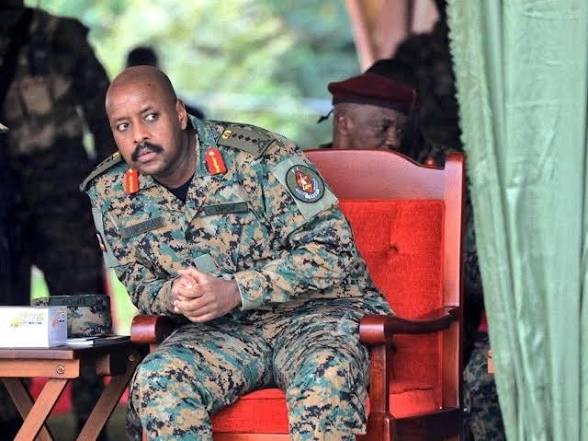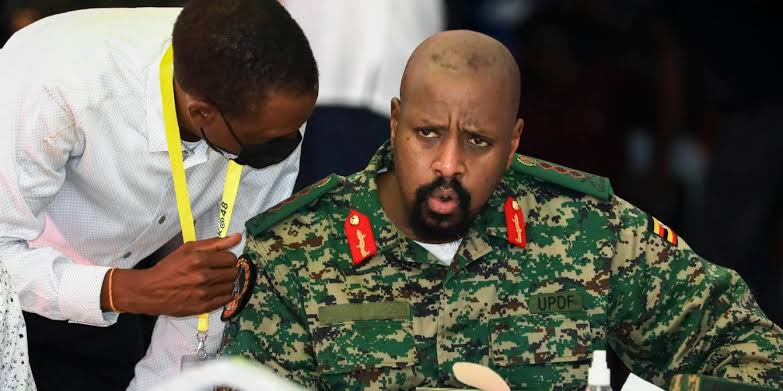
Gen Muhoozi Kainerugaba has sparked a heated public debate after making remarks about short stature, saying that his government would work towards eliminating what he described as a disability in Uganda.
The Chief of Defence Forces made the statement while commenting on issues surrounding human development and physical characteristics, attracting widespread reactions from Ugandans on social media and in public discussions.
His remarks quickly became a major talking point, with many people debating whether short stature should be considered a disability and what such a statement means in a broader social context.
Gen Muhoozi’s comments have drawn both support and criticism, with some people interpreting them as a call for improving human health and development, while others questioned the description of height differences as a disability.
The statement has opened a wider conversation about body diversity, acceptance and how society views people with different physical appearances.
Disability advocates have often emphasised that disabilities are usually linked to barriers that prevent people from fully participating in society, rather than simply differences in physical appearance.

Many Ugandans online reacted with humour, criticism and curiosity, as the statement generated thousands of comments and discussions across different platforms.
Some social media users questioned how such a programme would work, while others jokingly wondered whether future generations would be expected to meet certain height requirements.
Others argued that the focus should instead be placed on challenges such as poverty, healthcare access, education and unemployment, which affect millions of Ugandans.
The remarks come at a time when Gen Muhoozi continues to attract significant public attention through his statements on social, political and national issues.
As a senior military officer and public figure, his comments often generate widespread debate because of his influence and position within the country’s leadership structure.
Supporters of Gen Muhoozi say his statements are aimed at encouraging discussions about national development and improving the quality of life for Ugandans.
However, critics argue that public figures must be careful when discussing issues that affect personal identity, dignity and social inclusion.
The debate has also highlighted the importance of understanding medical and social definitions of disability before applying such terms to different conditions or physical traits.
Experts in health and social development have previously noted that human differences, including height variations, are part of natural diversity among populations.
The conversation triggered by Gen Muhoozi’s remarks has therefore gone beyond the issue of height, touching on broader questions about equality and respect for all citizens.
Ugandans continue to debate whether the statement was meant literally, symbolically or as part of a wider message about improving national standards of living.
The discussion has also shown how quickly comments from influential leaders can create national conversations on issues that affect everyday life.
While no specific policy details have been provided regarding the statement, it has already become one of the most discussed remarks attributed to Gen Muhoozi in recent times.
For now, the debate continues, with citizens offering different opinions on whether physical characteristics should be viewed as challenges to overcome or simply differences that should be accepted.
The controversy surrounding the remarks demonstrates the powerful role public statements play in shaping conversations about identity, development and the future direction of society.
About the Author