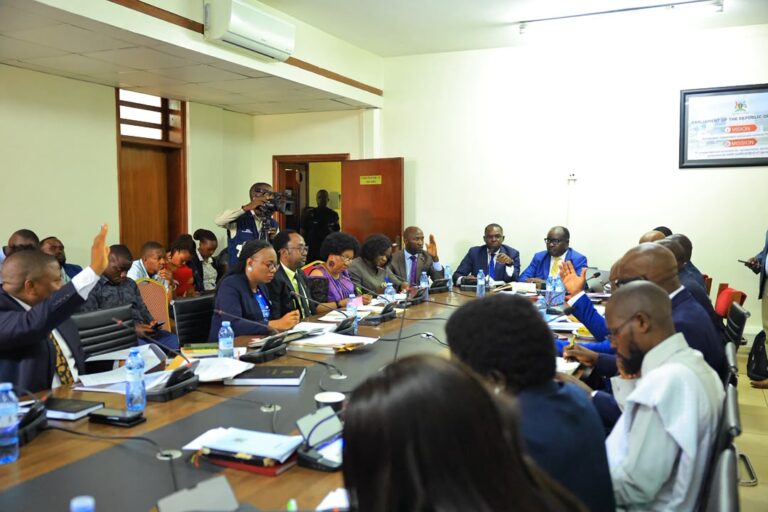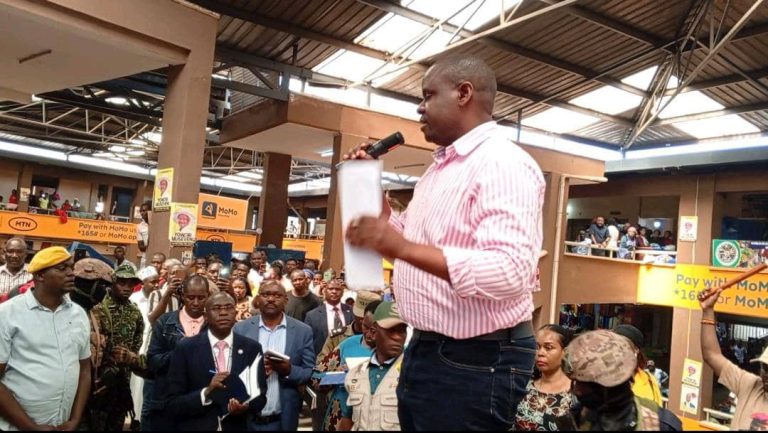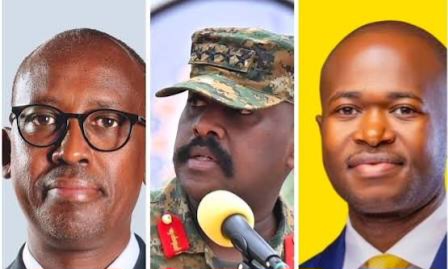
Kampala Central Member of Parliament Daudi Kabanda has sparked fresh debate after questioning the allocation of Shs75 billion reportedly linked to initiatives involving President Yoweri Museveni’s son-in-law, Odrek Rwabwogo.
Kabanda criticized the reported funding, questioning why such a large amount of public money would be directed toward a project he described as teaching Ugandans how to drink coffee.
The legislator said that he respects President Museveni’s position of avoiding public discussions about members of his family. However, he argued that public officials and individuals involved in government programs should be open to public scrutiny.
Kabanda said that when people hold influential positions or participate in activities involving public resources, Ugandans have the right to ask questions and demand accountability.
He explained that his concerns were not about attacking the President’s family but about protecting the reputation of the government and the ruling National Resistance Movement (NRM).
According to Kabanda, any actions by individuals close to the President that create public controversy should be discussed openly because they may affect the image of the leadership.

He said that Odrek Rwabwogo had previously encouraged people to speak freely and that he was therefore willing to raise questions about matters involving him.
Kabanda emphasized that criticism should not automatically be viewed as hostility, saying that leaders must be prepared to receive feedback from citizens.
The MP questioned the purpose and impact of the coffee-related programs, asking whether the money allocated would provide enough benefits to ordinary Ugandans.
He argued that government funds should always be directed toward projects that have clear and measurable advantages for the public.
Kabanda’s remarks have attracted attention because they touch on issues of government spending, accountability, and the involvement of influential individuals in public programs.
Coffee is one of Uganda’s major export products and a key source of income for millions of farmers across the country.
Government campaigns promoting coffee consumption and production have been introduced as part of efforts to increase the value of the sector and improve earnings for farmers.
However, critics have continued to question the amount of money spent on some government initiatives and whether the results match the resources invested.
Kabanda’s comments have added to wider discussions about how public funds are allocated and how government projects should be evaluated.

He maintained that discussing such issues is necessary because leaders and public figures must remain accountable to the people.
The MP also said that protecting the image of President Museveni and the NRM requires addressing concerns whenever actions by individuals create public dissatisfaction.
His remarks come at a time when debates about government spending and the role of influential figures in national programs continue to attract public attention.
Supporters of Kabanda say his comments represent the need for transparency, while critics may argue that such statements risk creating unnecessary political conflicts.
The discussion surrounding the coffee initiative and the reported funding is expected to continue as Ugandans debate the balance between supporting development programs and ensuring accountability.
As political discussions continue, the issue highlights the growing demand from citizens for openness, responsible use of public resources, and clear explanations from those involved in government projects.
About the Author