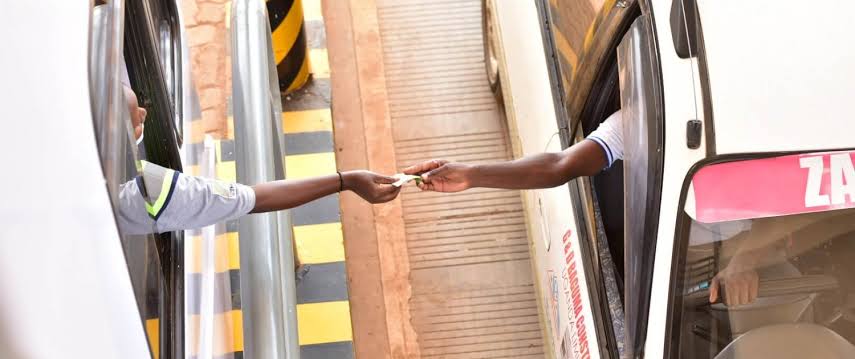
Members of Parliament have raised concerns over the management of toll operations on the Kampala-Entebbe Expressway, with legislators questioning low salaries paid to workers, operating costs and the amount of revenue being collected from motorists.
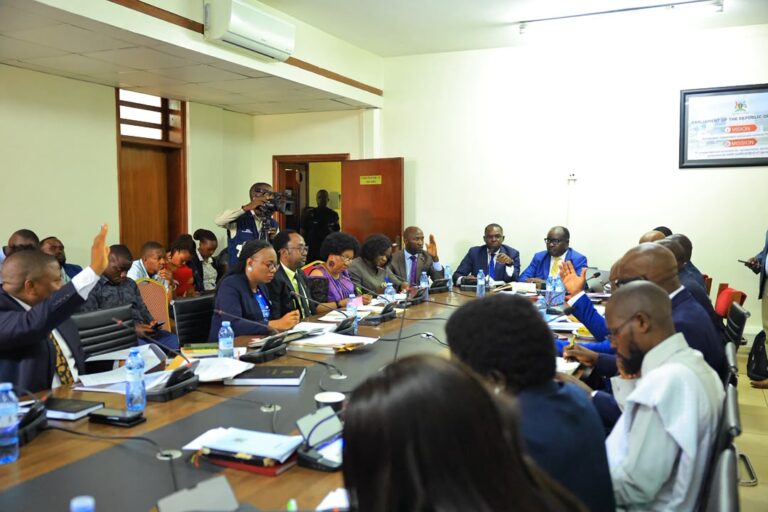
The concerns were raised during a meeting of Parliament’s Committee on Physical Infrastructure, which was scrutinising the operations of the expressway together with officials from the Ministry of Works and Transport.
The MPs questioned why Uganda continues to rely on a private operator to manage toll collection and other operations on the expressway when the government could potentially handle the process through its own institutions.
The committee also raised concerns about the extension of the contract of French firm Egis Road Operation, arguing that the arrangement could be costing taxpayers significant amounts of money.
According to the legislators, the toll revenue being collected has not performed as expected, raising questions about whether enough money is being generated to support repayment of the Chinese loan that financed construction of the expressway.
The MPs also questioned why a significant portion of the revenue collected is being spent on operating the toll system instead of contributing more directly towards the financial obligations associated with the road.

Committee Chairperson Mwine Mpaka, the Mbarara City South MP, questioned why Uganda opted for a private contractor while other countries in the region have adopted government-managed toll collection models.
“What informed Uganda’s choice of a contractor unlike the aforementioned countries because in Ethiopia, the government is the one that collects the toll?” Mpaka asked.
In response, Ministry of Works and Transport official Joan Muganga explained that the financing agreement for the expressway required government to appoint a private operator to manage toll revenue on behalf of the ministry.
She said the money collected through the tolling system is deposited into a Stanbic Bank account in accordance with the terms of the financing agreement.
However, the explanation did little to end the concerns raised by MPs, who continued questioning the overall cost and effectiveness of the arrangement.
Bukanga County MP Nathan Byanyima particularly criticised the outsourcing of several services associated with the expressway, questioning why Ugandan institutions could not handle more of the work.
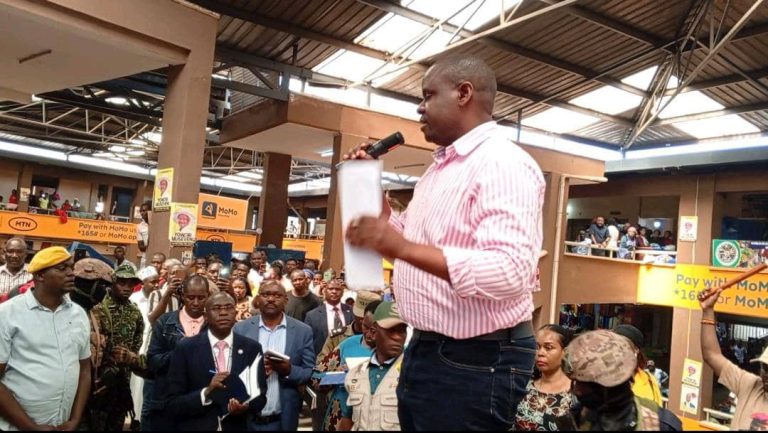
“Why do we need a foreign company to clean the road when you have a labour-based policy in the ministry? This is a mess and you need to own it up and we move ahead,” Byanyima said.
The legislator also raised concerns about the welfare of Ugandan workers employed at the toll stations and involved in maintenance of the expressway.
Byanyima told the committee that some workers had approached him complaining about what they described as extremely low wages compared with the hours they work.
“The young people, the workers at the toll, have approached me asking me to bring their concerns to Parliament. They told me they are getting paid Shs500,000 a month to work eight hours a day,” he said.
The allegations about workers’ pay have added another dimension to the parliamentary scrutiny, with MPs demanding greater accountability over how the expressway is operated and how employees are treated.
Committee Vice Chairperson Eng. William Taylor Tiyo, the Ayivu East MP, questioned why problems surrounding the tolling arrangement had allegedly taken several years to become the subject of serious parliamentary scrutiny.
He argued that officials who previously worked under the Uganda National Roads Authority (UNRA) had the technical capacity to identify potential problems earlier.
“The people who were working at UNRA were highly qualified people. It should not have taken five years to notice these mistakes and even proceed to renew the contract with the same mistakes,” Tiyo said.

Tiyo suggested that Uganda Revenue Authority (URA) should eventually take over the collection of toll revenues, arguing that the move could improve government control and accountability.
“Let the Uganda Revenue Authority take over the collection of these revenues,” he said, adding that whoever had benefited from the existing arrangement should eventually give way to a government-managed system.
State Minister for Works Fred Byamukama, however, urged the committee to also summon officials from the Ministry of Finance because of their role in negotiating the financing agreement for the expressway.
Byamukama argued that it would be unfair to place all responsibility on the Works Ministry because the financing arrangements were negotiated with significant involvement from the Ministry of Finance.
Meanwhile, ministry officials told MPs that government has started procuring an electronic toll collection system, with the procurement process expected to be completed by December before implementation begins.
Officials further projected that toll collections could grow by approximately five per cent annually, with long-term projections indicating that collections could reach about Shs2.8 trillion by 2051.
About the Author