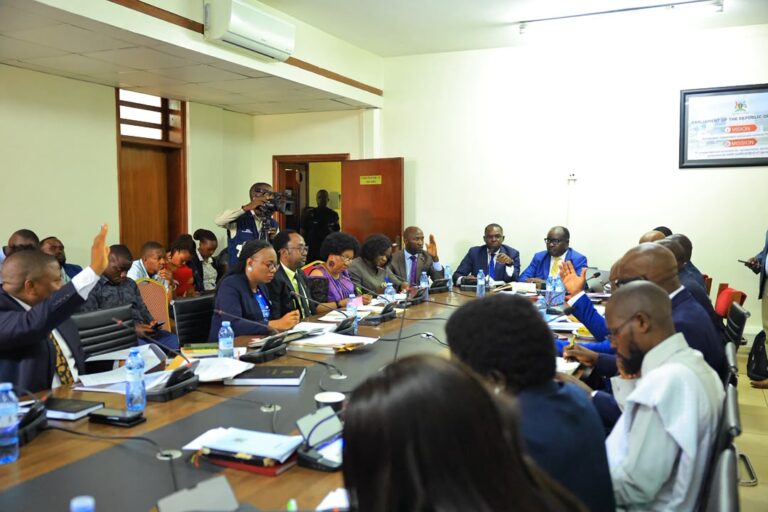
Parliament has withdrawn the Administration of Parliament (Amendment) Bill, 2024, a move that has captured national attention. The bill aimed to change how the Leader of the Opposition is chosen, proposing that opposition MPs elect their leader rather than having the position appointed by the largest opposition party.
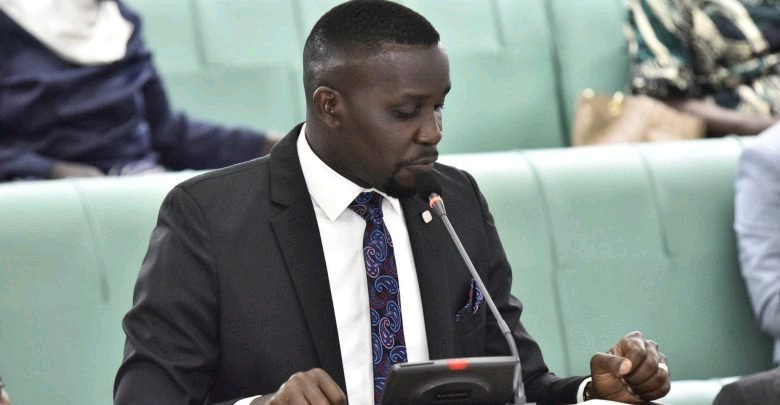
Introduced by outgoing Mityana South MP Richard Lumu, the legislation sought to challenge the current system, arguing that opposition lawmakers should have a direct say in their leadership. This shift would have represented a major change in Uganda’s parliamentary procedures.
The proposed bill outlined that the majority opposition party would select at least three candidates from its ranks, who would then be presented for election as Leader of the Opposition. It also established a mechanism for removal, allowing opposition MPs to vote out their leader through a majority resolution.
Beyond leadership selection, the bill sought to strengthen the role of opposition MPs in parliamentary operations. It proposed that the Shadow Cabinet be approved by opposition lawmakers and that committee chairpersons and deputies be appointed in consultation with all opposition parties.
Despite these intentions, many lawmakers criticized the bill, saying it appeared designed to target the current Leader of Opposition, Joel Ssenyonyi. Others argued that if MPs were allowed to elect their opposition leader, a similar system should apply to the Prime Minister, rather than leaving such appointments solely to the president.
Speaker of Parliament Anitah Among ruled that the bill conflicted with the principles of the Westminster parliamentary system, which Uganda follows. “The purpose of this bill goes against the established conventions of our parliamentary framework,” she stated, highlighting the importance of upholding long-standing legislative norms.
Among emphasized the need for Parliament to reflect the voice of the people. She instructed Richard Lumu to withdraw the bill in accordance with Rule 146 of parliamentary procedure, stressing that lawmakers must remain accountable to public sentiment and democratic principles.
This withdrawal continues a pattern in which several high-profile bills—including the Sexual Offences Bill, 2024, the Contract Farming Bill, 2023, and the Human Resource Management Professional Bill, 2025—have been pulled from consideration. All are expected to be reintroduced in Uganda’s 12th Parliament for renewed debate.
About the Author