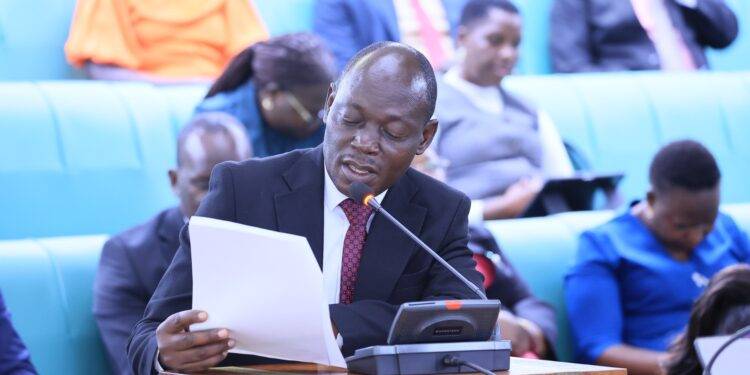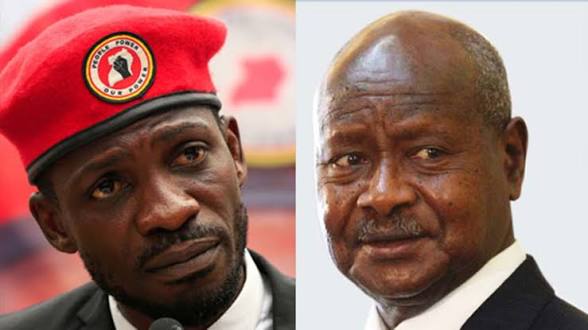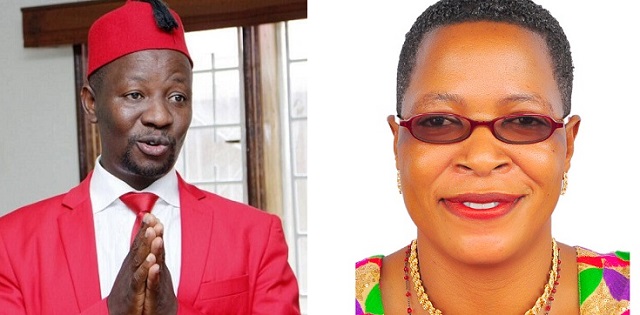
Former Kira Municipality Member of Parliament and Secretary General of the People’s Front for Freedom (PFF), Ibrahim Ssemujju Nganda, has launched one of his strongest attacks yet on former Speaker of Parliament Anita Among, describing her as the worst Speaker Uganda has ever had.
Speaking during an interview with BBS Television journalist Joseph Sseruwoza, Ssemujju reflected on Among’s tenure at the helm of Parliament and offered a harsh assessment of her leadership, competence, and political judgment.
The outspoken opposition politician, who has spent more than three decades observing and participating in parliamentary affairs, said history would remember Anita Among for all the wrong reasons. According to him, her leadership represented one of the lowest points in the history of Uganda’s legislature.
Ssemujju argued that Uganda has had several Speakers over the years who served under President Yoweri Museveni’s administration, but none, in his view, demonstrated the level of incompetence he associates with Among’s tenure.

According to the PFF Secretary General, the office of Speaker requires a combination of intelligence, political skill, neutrality, and procedural understanding. He claimed that Among repeatedly fell short of these expectations while presiding over Parliament.
One of the examples he cited involved parliamentary voting procedures. Ssemujju alleged that there were occasions when the majority of Members of Parliament expressed opposition to a motion, yet the Speaker would still declare that the motion had been carried.
He argued that such actions undermined public confidence in Parliament and weakened the institution’s credibility in the eyes of many Ugandans.
During the interview, Ssemujju suggested that Uganda was unfortunate to have experienced what he described as five years of poor parliamentary leadership. He maintained that Parliament should be led by individuals capable of commanding respect through competence and fairness.
The veteran legislator further argued that political survival within Uganda’s power structure requires a high degree of sophistication and strategic thinking. According to him, this is an area where Among struggled significantly.
He claimed that one of the major mistakes made by the former Speaker was failing to understand what he described as President Museveni’s political red lines. In his view, successful politicians within the ruling establishment must carefully manage their influence and visibility.

Ssemujju alleged that President Museveni becomes uncomfortable whenever individuals within government begin to appear too powerful, too independent, or too popular among their peers.
To support his argument, he referred to several senior political figures who have previously experienced political setbacks despite holding influential positions. These included former Speaker James Wapakhabulo, former Vice President Gilbert Bukenya, and former Speaker Rebecca Kadaga.
According to Ssemujju, these leaders at various times appeared to build significant support bases, something he believes ultimately complicated their relationships with the country’s top leadership.
He argued that Among should have followed the example of former Speaker Edward Sekandi, whom he described as a leader who maintained a lower political profile while effectively navigating Uganda’s political landscape.
In his assessment, Among’s leadership style and public image allegedly created perceptions that she wielded considerable influence among Members of Parliament, a situation he believes contributed to her political challenges.
Despite his criticism, Ssemujju admitted that he did not expect her political decline to happen so quickly. He revealed that he had previously believed she would remain Speaker until at least 2031.
The opposition politician said recent political developments had surprised many observers who assumed that Among’s position was secure for the foreseeable future.

Ssemujju also used the interview to discuss what he sees as changing dynamics within Uganda’s political system. He argued that the country’s political environment has become increasingly sensitive to the emergence of alternative centers of influence.
According to him, the current political climate leaves little room for leaders who appear capable of independently mobilizing significant political support.
The comments are likely to generate strong reactions from both supporters and critics of the former Speaker. While her supporters may view Ssemujju’s remarks as politically motivated, critics are likely to see them as a reflection of concerns that have been raised about Parliament’s performance in recent years.
As debate continues over Anita Among’s legacy, one thing is certain: Ssemujju Nganda’s remarks have reignited discussions about the role of Parliament, the qualities required of a Speaker, and how future leaders of the institution will ultimately be judged by history.
About the Author