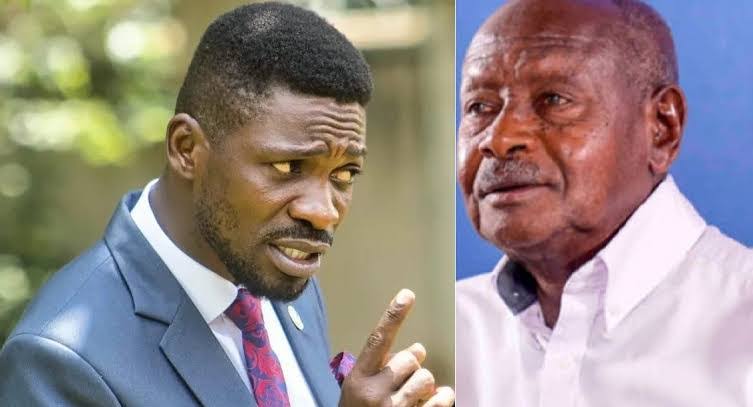
President has stirred widespread debate after revealing details about his monthly salary, claiming that he earns only Shs3.6 million from his role as Uganda’s Head of State.
The revelation caught many Ugandans by surprise, especially considering that Museveni occupies the highest political office in the country and carries enormous responsibilities that range from national security to economic policy and international diplomacy.
For years, many citizens have assumed that the presidency comes with one of the most lucrative salary packages in government, given the weight of the office and the demands associated with leading a nation of millions.
However, Museveni insists that his official earnings are far lower than what many people imagine. Speaking during a public engagement, the President disclosed that his monthly salary stands at Shs3.6 million before any deductions are made.
According to Museveni, the amount does not entirely remain in his hands because a portion is automatically channeled toward activities of the ruling National Resistance Movement (NRM).
He explained that 20 percent of his salary is deducted and contributed to the NRM, leaving him with a reduced amount at the end of every month.

The President further revealed that from the balance he receives, approximately Shs2.7 million is handed over to First Lady for household and family-related expenses.
His comments immediately generated public discussion, with many people expressing disbelief that the country’s leader earns what appears to be a modest salary compared to other senior government officials and executives in the private sector.
Museveni’s disclosure has reignited conversations about how much top public officials should earn and whether official salaries accurately reflect the responsibilities attached to high-ranking offices.
The President has repeatedly argued that his personal financial well-being does not depend on government pay. Instead, he says his wealth comes from decades of investment in agriculture and livestock farming.
According to Museveni, commercial farming has been a reliable source of income and has enabled him to maintain financial independence despite earning what he describes as a relatively small presidential salary.
He has often pointed to his own agricultural projects as examples of how productive farming can transform lives and generate sustainable wealth.
Over the years, Museveni has encouraged Ugandans, particularly young people, to venture into agriculture rather than relying solely on white-collar jobs for survival.
The President believes that wealth creation should be driven by production and enterprise, arguing that sectors such as farming, livestock keeping, and agro-processing offer significant opportunities for income generation.

His latest remarks also revived memories of previous statements in which he described himself as one of the least-paid presidents on the African continent.
During earlier public addresses, Museveni emphasized that leadership should not be viewed primarily as a means of making money but rather as an opportunity to serve the country and improve citizens’ lives.
Supporters of the President have praised his emphasis on agriculture and self-reliance, arguing that his message encourages Ugandans to seek wealth through productive ventures instead of depending entirely on government employment.
Critics, however, continue to question whether the disclosed salary figures tell the full story of the benefits and privileges associated with holding the highest office in the country.
Political observers note that discussions about presidential pay often attract significant public interest because they touch on broader issues of governance, accountability, and the management of public resources.
Whether met with admiration or skepticism, Museveni’s revelation has once again placed the spotlight on the financial realities of political leadership, while reinforcing his long-standing message that true wealth is built through investment, agriculture, and sustained economic activity rather than reliance on a government paycheck alone.
About the Author