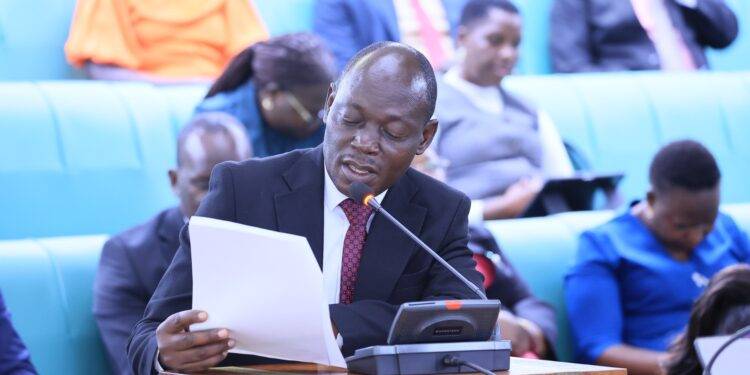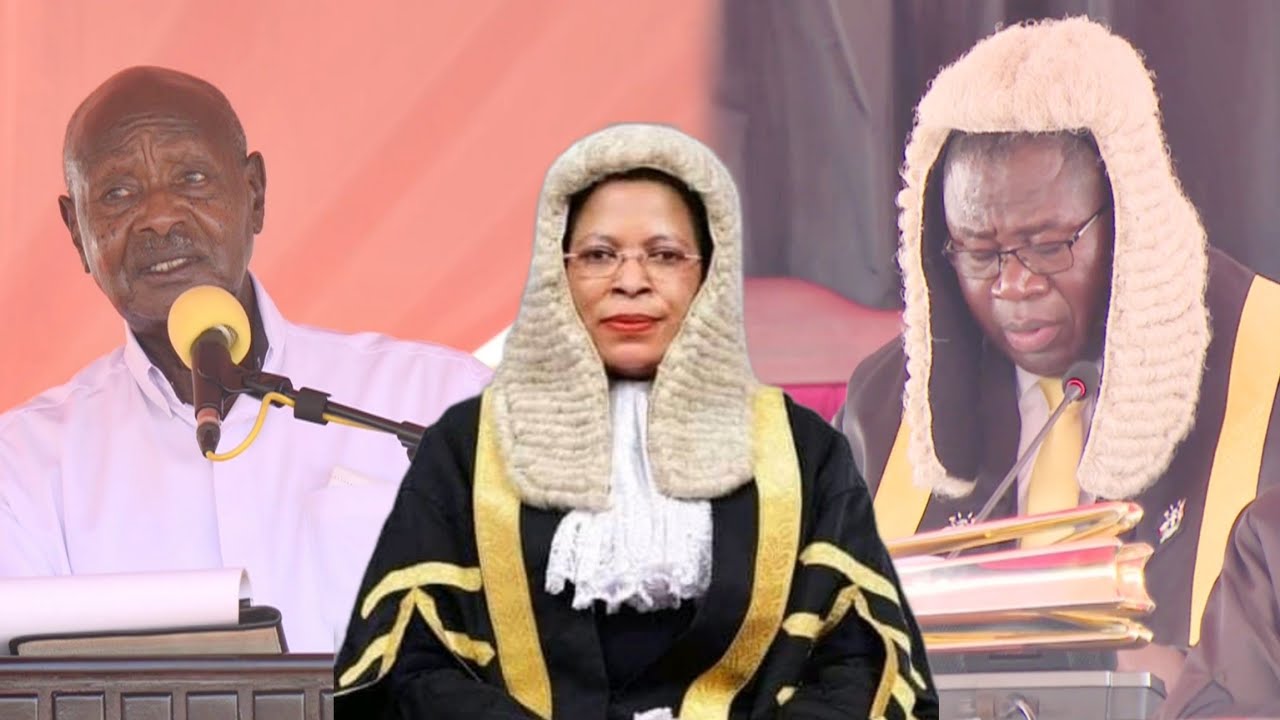
The Speaker of Parliament Jacob Oboth-Oboth has announced a strong commitment to lead the fight against corruption, beginning with reforms within his own office.
He made the remarks while attending a thanksgiving event hosted by Prime Minister Robinah Nabbanja at her home in Makerere-Kavule.
During the event, Oboth-Oboth emphasized that accountability must start from leaders themselves before it can be demanded from other public institutions.
He said his administration in Parliament would focus on transparency, discipline, and responsible use of public resources.
He revealed that he has already written to the Clerk of Parliament instructing a major review of the budget allocated to the Speaker’s office. According to him, the decision is aimed at reducing wasteful expenditure and improving efficiency in parliamentary spending.
The Speaker stated that the budget for his office, which currently stands at over Shs24 billion, will be significantly reduced to about Shs4 billion. He described this as a deliberate step toward financial responsibility and institutional reform.

Oboth-Oboth explained that the savings from this budget cut will not be left idle but will instead be redirected to other important areas of Parliament. He specifically mentioned parliamentary committees as key beneficiaries of the reallocated funds.
He said strengthening committees will improve oversight functions, law-making processes, and accountability mechanisms within Parliament. According to him, this will enhance the overall performance of the legislative institution.
The Speaker stressed that leaders must set an example if the country is to make meaningful progress in the fight against corruption. He said it is not enough to talk about accountability without demonstrating it in action.
He added that public confidence in Parliament can only be restored if leaders show willingness to reduce unnecessary expenditure and focus on service delivery. He insisted that reforms must begin from the top.
Oboth-Oboth also raised concerns about the continued delays in completing the new Parliament building. He questioned why the project remains unfinished despite receiving billions of shillings over several financial years.
He said he intends to personally follow up on the progress of the construction to ensure that it is completed efficiently. He expressed concern that prolonged delays contribute to public mistrust and resource wastage.
The Speaker noted that corruption remains one of the biggest challenges affecting governance and development in the country. He said Parliament must not only legislate against corruption but also actively demonstrate anti-corruption practices.
He emphasized that his leadership will prioritize financial discipline and ensure that every shilling allocated to Parliament is properly accounted for. He said this is part of restoring integrity in public institutions.
According to Oboth-Oboth, the decision to reduce the Speaker’s office budget is also meant to challenge the culture of oversized administrative spending. He said government offices must operate within reasonable and justified budgets.

He pointed out that excessive funding in some offices often leads to inefficiency and misuse of public funds. He believes that cutting unnecessary allocations will improve service delivery across government.
The thanksgiving event where he made the remarks brought together senior government officials, including political leaders and close associates of the Prime Minister. It provided a platform for discussing governance and leadership issues.
Participants at the event reportedly welcomed the Speaker’s message, noting that it reflects a growing demand for accountability in public institutions. His remarks were seen as part of a broader national conversation on corruption.
Oboth-Oboth reiterated that his commitment to reform would not remain at the level of speeches but would be implemented through concrete administrative decisions. He said Ugandans expect results, not promises.
He further emphasized that Parliament must regain its credibility by demonstrating that it can manage public resources responsibly. He said this would strengthen trust between citizens and their leaders.
As the new financial year approaches, attention is now focused on how the announced budget changes will be implemented and whether they will lead to meaningful improvements in parliamentary operations and governance standards.
About the Author