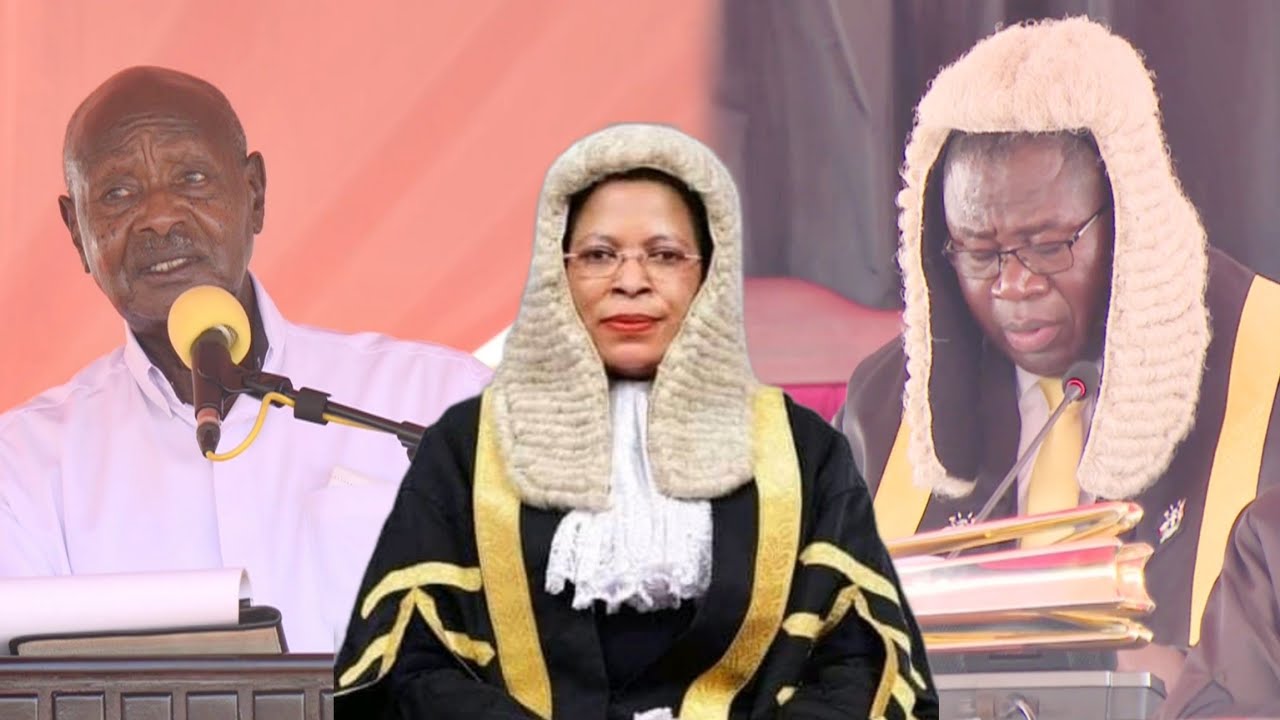
The beginning of the Twelfth Parliament has been marked by dramatic political developments following the reported replacement of former Speaker Anita Annet Among with West Budama Central MP Jacob Oboth-Oboth.
The transition has sparked intense discussion within parliamentary circles, with many describing it as one of the most surprising shifts in Uganda’s recent political history.
Ordinarily, the period between the end of May and early June is a quiet time in Parliament, as one session ends and preparations for a new one begin.
However, this year has been different, with unusually high activity and conversations dominating the corridors of the institution.
The change in leadership comes at the start of a new parliamentary term, creating a tense but highly observant atmosphere among staff, legislators, and visitors. Many have been closely watching how the new leadership structure will shape operations going forward.
Attention has particularly focused on Anita Annet Among, popularly known as AAA, who previously served as Speaker of Parliament and held significant influence within the National Resistance Movement’s leadership structures. She was also the Second National Vice Chairperson (Female) on the NRM Central Executive Committee.

During her tenure, Among was widely regarded as one of the most powerful figures in the country’s political landscape. Her position gave her control over key parliamentary decisions and access to a substantial institutional budget, placing her among Uganda’s top state officials.
Recent developments, however, have drawn widespread public attention after reports emerged that her residences in Kampala, Wakiso, Bukedea, and Kamuli were searched. There were also claims that several high-value vehicles linked to her were impounded, although official confirmation remains limited.
These events have fueled intense speculation and discussion both in the media and within Parliament. Social media platforms and television broadcasts have further amplified public interest in the unfolding situation.
Inside Parliament, the mood has been described as unusually tense yet reflective. Staff members and legislators have been observed engaging in conversations about the rapid changes in leadership and what they mean for institutional accountability.
Some employees reportedly expressed concern about job security and internal restructuring, especially those who were hired during the previous administration. According to sources, some of these individuals were recruited without formal advertisement or standard interview processes.
These allegations suggest that a number of appointments may have involved relatives, friends, or associates of influential figures, raising questions about transparency in recruitment practices within Parliament.
Staff members who spoke anonymously indicated that discussions about irregular recruitment were previously discouraged. However, with the change in leadership, such conversations are now reportedly becoming more open.
One staff member noted that in the past, questioning recruitment processes or internal decisions could lead to disciplinary action or reassignment to less favorable departments within Parliament.
With the new administrative climate, some employees are said to feel more comfortable discussing internal issues, including concerns about qualifications, documentation, and performance assessments.

A source familiar with parliamentary human resource processes indicated that several staff members linked to the previous leadership are now rushing to regularize their employment records. This includes submitting academic documents and completing performance appraisals.
According to the source, these requirements had not been strictly enforced in some cases before, but are now receiving renewed attention under the current administrative environment.
The situation has created a sense of uncertainty among sections of staff, particularly those whose employment status may depend on administrative reviews and compliance checks.
Meanwhile, political observers say the transition reflects a broader shift in how Parliament may be governed moving forward, with increased emphasis on accountability and institutional discipline.
As the Twelfth Parliament settles into its new term, attention remains focused on how leadership changes will affect internal operations, staff welfare, and public trust in the legislative institution.
For now, the corridors of Parliament remain filled with speculation, reflection, and cautious optimism as members and staff adjust to a rapidly changing political environment.
About the Author