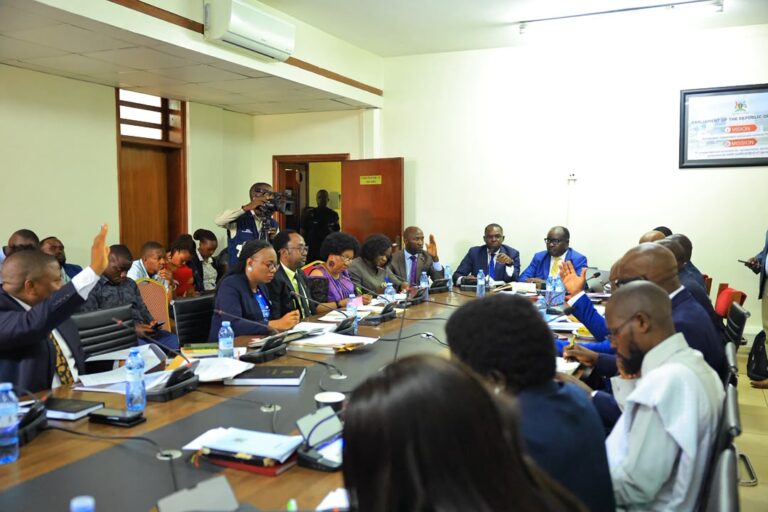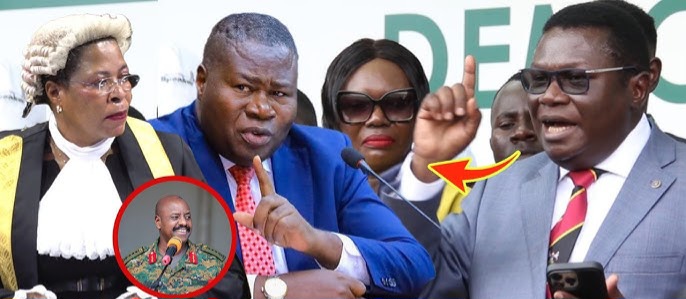
The Speaker of Parliament, Jacob Oboth-Oboth, has intensified his anti-corruption message, openly criticizing past leadership for what he described as failure to properly manage available resources within Parliament.
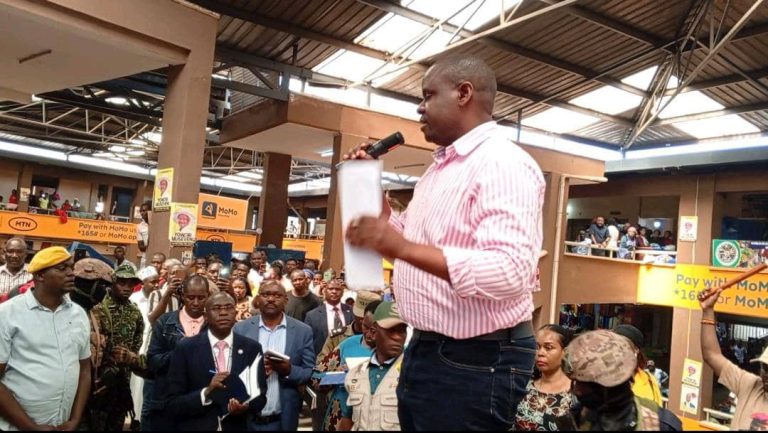
He made the remarks during Prime Minister Robinah Nabbanja’s thanksgiving ceremony held in Makerere, Kampala.
Oboth-Oboth used the occasion to restate his commitment to reforming Parliament, saying he would ensure strict accountability in the management of public funds. He emphasized that his leadership would not tolerate corruption or misuse of resources at any level.
In a strongly worded message, the Speaker suggested that previous leaders had access to sufficient funding but failed to deliver key institutional developments, including the completion of the new Parliament chambers. He argued that the problem was not lack of money, but poor management and planning.
He stated that billions of shillings had been allocated over the years for the construction of the parliamentary building, yet progress remained slow. According to him, this raised serious concerns about accountability and efficiency in public projects.
Oboth-Oboth reiterated that his administration had already begun what he called a “factory reset” of Parliament. This, he explained, involves restructuring internal systems, strengthening oversight committees, and ensuring proper use of resources.

He also revealed that significant funds, reportedly over Shs20 billion, had been redirected from the Speaker’s office budget to parliamentary committees. He said this move was intended to improve legislative oversight and reduce wasteful spending.
According to the Speaker, the restructuring is part of a broader effort to insulate Parliament from undue influence and financial mismanagement. He stressed that institutions must serve the public interest rather than individual or political interests.
Oboth-Oboth further stated that he personally has no financial interests to recover from past political processes, noting that he did not spend money on campaigns for the Speaker position. He used this point to emphasize his commitment to clean leadership.
Turning to the issue of infrastructure, the Speaker expressed frustration over the continued delay in completing the new parliamentary chambers. He said the project has been ongoing since around 2014, yet remains unfinished despite continued budget allocations.
He questioned how such a major national project could remain incomplete for so many years, suggesting that there must have been serious administrative weaknesses or mismanagement along the way.
Oboth-Oboth noted that even in the current financial year, substantial funds, including billions of shillings, had been allocated to the project. He insisted that the availability of money was not the main problem.
He revealed that he had already instructed the Clerk to Parliament to prepare a detailed report explaining the status of the construction project and the causes of delays. He gave a timeline for accountability and follow-up.
The Speaker said he intends to personally oversee efforts to fast-track the completion of the new chambers. He argued that Parliament requires modern infrastructure to properly carry out its constitutional duties.

He also called for stronger discipline in public spending, warning that unchecked expenditure leads to inefficiency and stagnation in development projects. He said reforms must be implemented at all levels of government.
Oboth-Oboth’s remarks were delivered in the presence of senior government officials and political leaders who attended the thanksgiving event hosted by Prime Minister Nabbanja. The gathering provided a platform for discussions on governance and leadership.
Observers noted that his comments reflected growing pressure on public institutions to improve accountability and transparency in the use of taxpayer funds. His remarks were interpreted as a signal of a new direction in parliamentary leadership.
The Speaker further emphasized that Parliament must lead by example in the national fight against corruption. He said it would be impossible to demand accountability from other sectors if Parliament itself failed to uphold high standards.
He added that his reforms are aimed at restoring public trust in the institution, which he believes has been weakened by years of criticism over expenditure and unfinished projects.
As discussions continue, attention is now focused on whether the Speaker’s bold promises will translate into measurable reforms, particularly in budget management and infrastructure completion within Parliament in the coming years.
About the Author