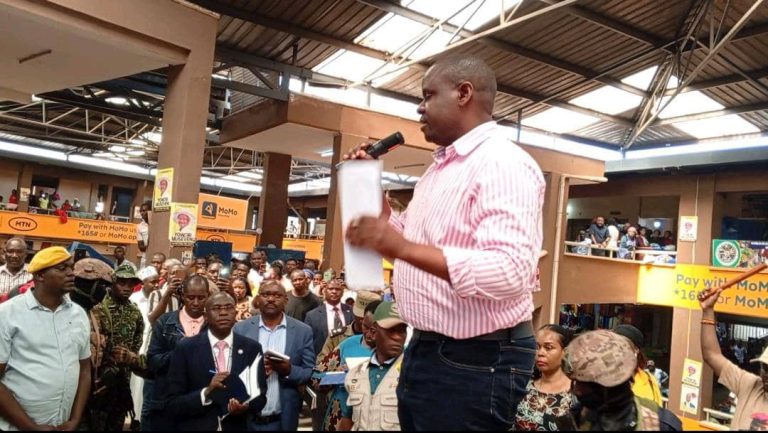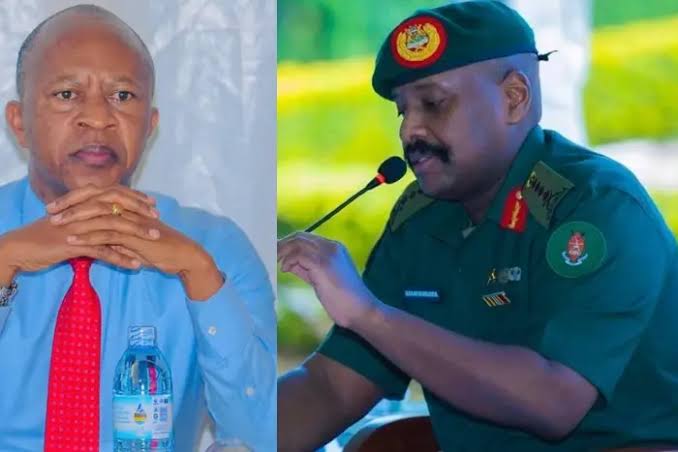
The political spotlight has once again turned to outspoken social commentator and businessman Frank Gashumba after Gen Muhoozi Kainerugaba announced that the Patriotic League of Uganda (PLU) leadership will formally discuss his controversial remarks about forming another M23-style rebel movement in Uganda.
The development comes after a video resurfaced showing Gashumba making statements that many interpreted as a threat to establish a rebel group similar to the M23 movement operating in eastern Democratic Republic of Congo.
The remarks generated widespread criticism and concern across political circles, with many Ugandans questioning the implications of such statements at a time when regional security remains a sensitive issue.
Responding to the controversy, Gen Muhoozi Kainerugaba made it clear that the matter would not be ignored by the leadership of the Patriotic League of Uganda.
In a statement shared on X, Gen Muhoozi revealed that Gashumba would be summoned before the PLU Central Committee to explain his remarks and discuss the concerns raised by his comments.
“On my brother Frank Gashumba threatening to start another M23 in Uganda, we shall call him and discuss his issues in the PLU Central Committee,” Gen Muhoozi stated.

The Chief of Defence Forces also added a light but pointed remark, saying that he outranks Gashumba both in Rwanda and Eastern Democratic Republic of Congo, a statement that quickly attracted attention online.
Many political observers interpreted Muhoozi’s comments as an attempt to distance PLU from any suggestion of supporting rebellion or armed political activity.
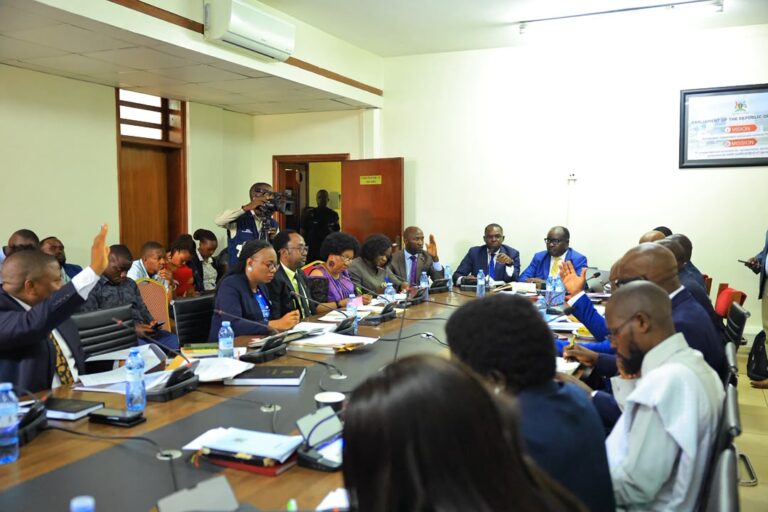
The controversy emerged shortly after Parliament’s Appointments Committee rejected the appointment of Victoria University Vice Chancellor Dr. Lawrence Muganga as State Minister for Internal Affairs.
Dr. Muganga, who is known to be a close associate and friend of Frank Gashumba, failed to secure parliamentary approval after concerns were raised regarding his citizenship status and alleged possession of multiple passports.
The rejection sparked emotional reactions from both Muganga and Gashumba, who argued that the decision was influenced by prejudice against people of Rwandan descent.
They publicly accused Deputy Speaker Thomas Tayebwa of unfairly targeting Banyarwanda during the vetting process, claims that fueled intense debate across social media platforms.
Dr. Muganga later expressed disappointment, saying he had worked in many countries around the world and had never encountered the kind of treatment he allegedly experienced during the parliamentary approval process.
His comments generated sympathy among some supporters while others defended the actions of the Appointments Committee, arguing that questions regarding citizenship must be addressed transparently.
As public debate intensified, an old video of Frank Gashumba resurfaced online, bringing renewed scrutiny to his comments about the possibility of forming an M23-like movement.
Critics argued that such remarks were reckless and potentially dangerous given the history of armed conflict associated with rebel groups in the Great Lakes region.

Supporters of Gashumba, however, maintained that his comments were being taken out of context and unfairly linked to current political events.
Gashumba himself has since clarified that the video was recorded a long time ago and had no connection whatsoever to the recent rejection of Dr. Muganga’s ministerial appointment.
Despite that clarification, the controversy continued to gain momentum, prompting Gen Muhoozi and the PLU leadership to intervene before the matter escalated further.
Political analysts believe the decision to summon Gashumba demonstrates the movement’s desire to maintain discipline among its senior leaders and avoid statements that could damage its public image.
As attention now shifts to the anticipated meeting of the PLU Central Committee, many observers will be watching closely to see whether Gashumba apologizes, explains his remarks, or doubles down on his position.
.Whatever the outcome, the incident has once again highlighted how quickly political statements can ignite national debate and place influential figures under intense public scrutiny.
About the Author