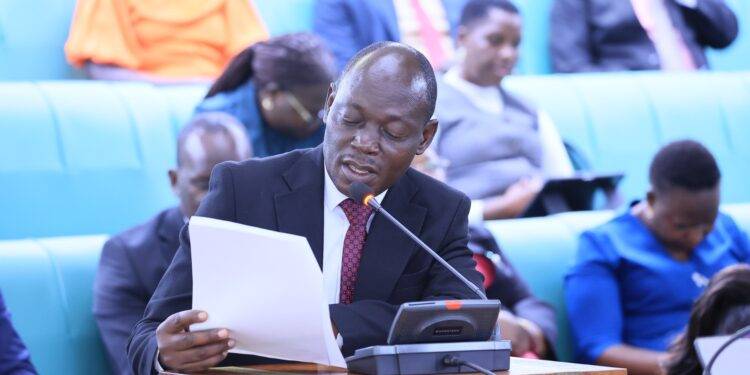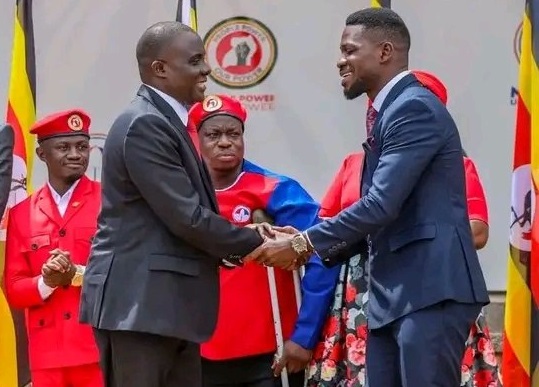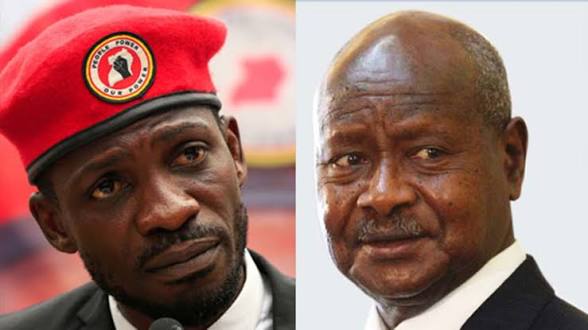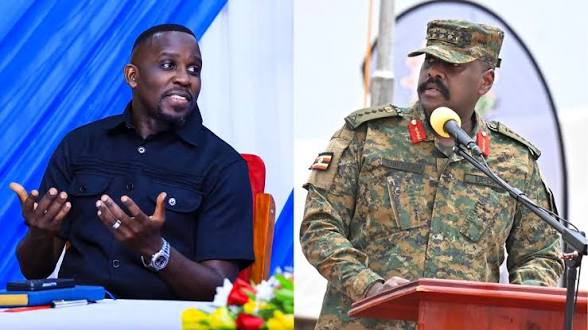
A fresh political confrontation has erupted in Uganda after Chief of Defence Forces Muhoozi Kainerugaba launched a strong response to comments made by Leader of the Opposition Joel Ssenyonyi.
The exchange, which unfolded on social media, has quickly become one of the most discussed political topics in the country, attracting reactions from supporters and critics alike.
In a post shared on X, Muhoozi warned Ssenyonyi against comparing him to former Lord’s Resistance Army leader Joseph Kony, a figure widely associated with one of the most violent insurgencies in Uganda’s history.
Muhoozi stated that he and other members of the security forces spent years fighting the LRA and therefore understood the suffering the rebel group caused to thousands of Ugandans.
The Chief of Defence Forces argued that any comparison between him and Kony was unfair and historically inaccurate, insisting that the military fought hard to defeat the insurgency and restore stability in northern Uganda.
His response included a renewed warning directed at Ssenyonyi, whom he referred to as a “small boy” before suggesting that he could face arrest in the future.

The remarks came shortly after Muhoozi had issued another controversial statement indicating that Ssenyonyi and former Kira Municipality legislator Innocent Semujju Nganda would “follow very soon.”
That statement was widely interpreted as a suggestion that the two opposition figures could face legal action similar to other opposition leaders who have recently encountered law enforcement agencies.
The debate intensified after Muhoozi shared an image showing former Kampala Lord Mayor Erias Lukwago and veteran opposition politician Kizza Besigye wearing prison uniforms while sharing a meal.
The image quickly circulated online and became the subject of intense political discussion among Ugandans.
Ssenyonyi, who serves as both the Member of Parliament for Nakawa West and the Leader of the Opposition, has recently been vocal in criticizing what he describes as increasing military involvement in political affairs.
He has also expressed concern about the arrests and prosecution of several opposition figures, arguing that democratic principles and civil liberties should be protected.
Supporters of Ssenyonyi have defended his right to question government actions and security operations, saying opposition leaders have a constitutional responsibility to hold public institutions accountable.
Others argue that criticism of state institutions should not automatically be interpreted as hostility toward national security agencies.
On the other hand, supporters of Muhoozi contend that opposition leaders should avoid making comparisons they believe are misleading or disrespectful to the sacrifices made by soldiers who fought insurgent groups.

They argue that the Uganda People’s Defence Forces played a significant role in ending years of conflict and restoring peace to affected regions.
Political analysts say the exchange highlights the growing tensions between government-aligned figures and opposition leaders as political competition continues to intensify.
Some observers have expressed concern that increasingly hostile rhetoric between prominent leaders could deepen political divisions and fuel further confrontations.
Meanwhile, legal experts note that any arrest or prosecution of political figures must follow established legal procedures and be supported by evidence presented before competent courts of law.
As the controversy continues to dominate public discussion, many Ugandans are closely watching developments to see whether the exchange remains a war of words or leads to further political and legal consequences.
For now, the public confrontation between Muhoozi and Joel Ssenyonyi has become another major chapter in Uganda’s evolving political landscape, reflecting the increasingly heated nature of debate between the country’s most influential political actors.
About the Author