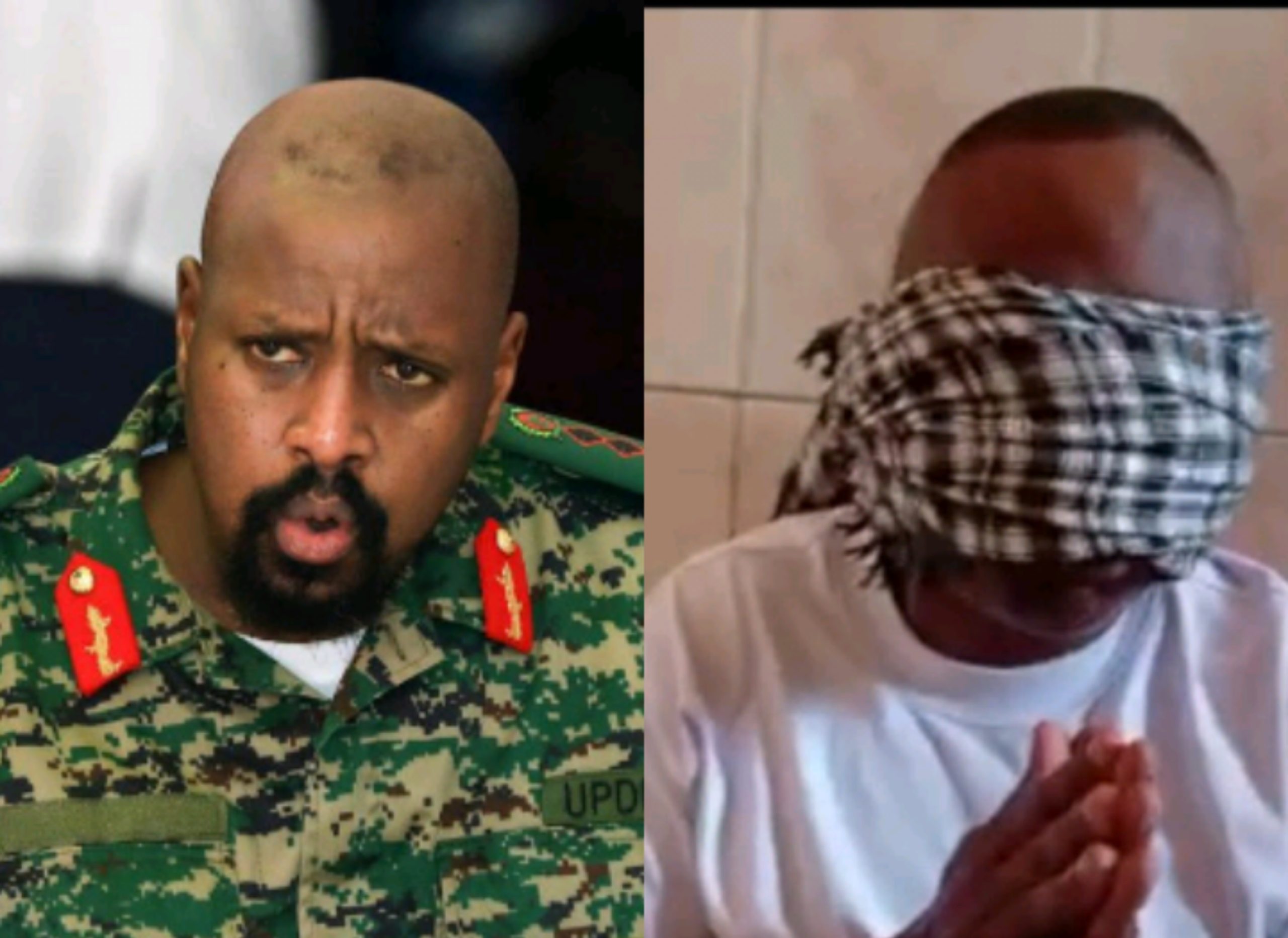
Gen. Muhoozi Kainerugaba has once again become the center of intense public discussion following a social media post that has generated widespread reactions across Uganda’s political landscape.
The controversy stems from a statement attributed to the Chief of Defence Forces in which he allegedly suggested that former Kampala Lord Mayor Erias Lukwago’s fate could depend on intervention from the Kabaka of Buganda.
According to the post circulating online, Muhoozi reportedly stated that if no such request was made, Lukwago would face the same fate as opposition veteran Dr. Kizza Besigye.
The remarks quickly spread across social media platforms, triggering debate among political supporters, critics, and civil society actors.
Many Ugandans expressed concern about the language used in the alleged statement, particularly because it referenced serious consequences involving prominent opposition figures.
The comments immediately attracted attention due to the high-profile status of both Lukwago and Besigye, who have long been influential voices in Uganda’s opposition politics.

Supporters of the opposition interpreted the statement as evidence of growing political tensions ahead of future political contests and national debates.
Others argued that social media posts by influential public figures often generate confusion because they can be interpreted in different ways by different audiences.
Political analysts noted that statements touching on legal matters, detention, and political opponents typically attract significant public scrutiny.
Several commentators called for restraint in public discourse, emphasizing the importance of respecting legal processes and constitutional institutions.
Human rights advocates also weighed in, stressing that issues involving arrests, detention, and criminal proceedings should remain within the framework of the law.
The controversy further fueled discussions about the increasing role of social media in shaping political narratives and influencing public opinion.
Observers noted that online platforms have become powerful tools through which political leaders communicate directly with supporters and critics alike.
As screenshots of the alleged remarks continued to circulate, many citizens debated their meaning and implications for Uganda’s political environment.
Some supporters defended Muhoozi, arguing that his social media posts are often provocative and open to interpretation rather than formal government directives.
Critics, however, maintained that statements made by senior public officials can carry significant weight and should therefore be communicated carefully.
The discussion also revived broader conversations about political freedoms, democratic engagement, and the responsibilities that come with holding public office.
Meanwhile, legal observers emphasized that matters involving criminal allegations, detention, or prosecution are governed by established judicial procedures rather than public commentary.
The debate surrounding the alleged statement continued to dominate social media timelines, radio talk shows, and political discussions across the country.
For many Ugandans, the incident highlights the increasingly blurred line between political messaging, personal expression, and official communication in the digital age.
As reactions continue to emerge, attention remains focused on whether further clarification will be provided regarding the remarks and what impact the controversy may have on Uganda’s already vibrant political discourse.
About the Author