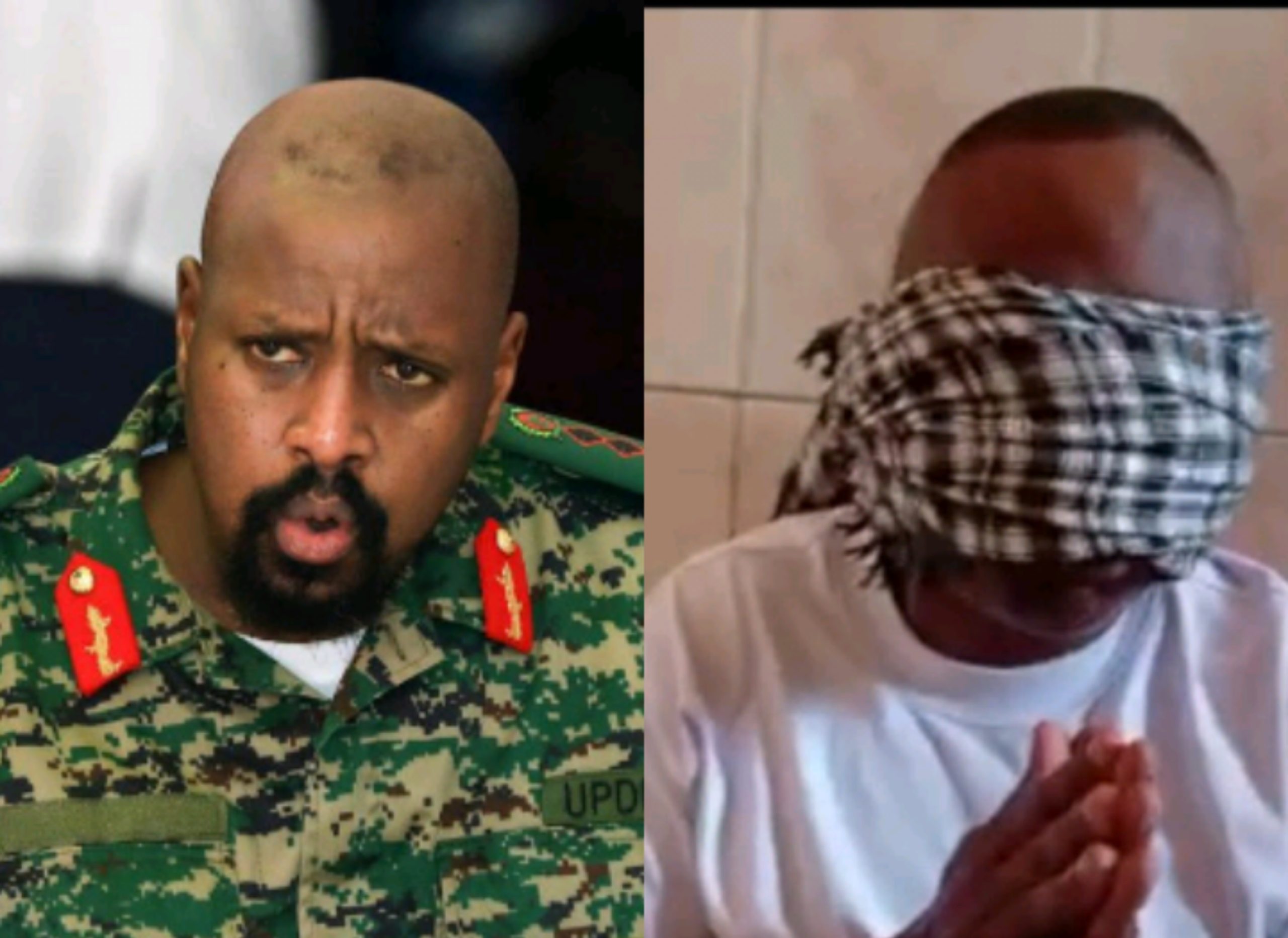
A fresh political controversy has erupted after Gen. Muhoozi Kainerugaba was reported to have made strong remarks concerning opposition figure Erias Lukwago, comments that quickly triggered intense debate across Uganda’s political landscape.
The reported statement, which circulated widely on social media and various online platforms, immediately attracted attention because it involved one of the country’s most prominent opposition leaders and the Chief of Defence Forces.
According to reports, Gen. Muhoozi questioned Lukwago’s health-related circumstances and suggested that the former Kampala Lord Mayor would not be allowed to evade ongoing legal and political processes.
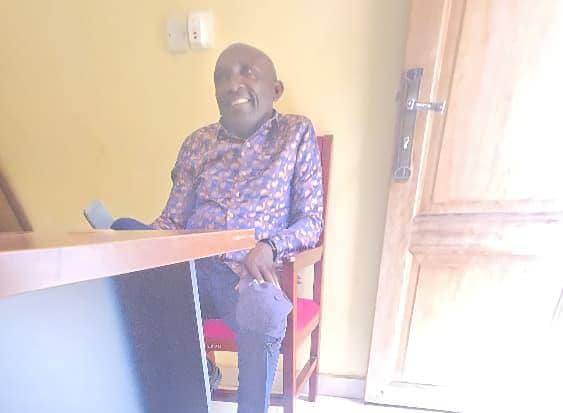
The comments emerged at a time when public attention has been focused on Lukwago’s reported medical condition and his absence from certain court proceedings.
Supporters of the opposition politician reacted strongly, arguing that health matters should be treated with seriousness and compassion regardless of an individual’s political affiliation.
Many insisted that any concerns regarding Lukwago’s condition should be addressed through medical professionals and the relevant legal institutions rather than through public political exchanges.

The remarks quickly spread across social media, where thousands of users debated their meaning, implications, and possible impact on the country’s already polarized political environment.
Some supporters of Gen. Muhoozi defended his position, arguing that public officials and political figures should remain accountable under the law regardless of claims relating to health challenges.
Others, however, expressed concern about the tone of the reported comments, describing them as unnecessarily confrontational given the sensitive nature of medical issues.
Political analysts observed that statements involving senior government officials and opposition leaders often generate significant public interest because of their potential impact on national discourse.
The controversy has also reignited discussions about the relationship between Uganda’s security establishment and opposition politicians.
For years, interactions between government institutions and opposition figures have frequently attracted national and international attention, particularly during periods of heightened political activity.
Several commentators noted that Lukwago remains one of the most recognizable opposition voices in Uganda and that developments involving him are closely monitored by supporters and critics alike.
The reported remarks have therefore added another chapter to the long-running political rivalry that continues to shape public debate across the country.
Legal observers have meanwhile emphasized the importance of allowing courts and other competent authorities to independently handle matters involving legal proceedings and medical considerations.
They argue that institutional processes should remain the primary avenue for resolving disputes rather than public exchanges that may further inflame tensions.
Civil society groups have also called for restraint from all sides, warning that inflammatory rhetoric can deepen divisions and distract attention from substantive issues affecting citizens.
The debate surrounding the comments has once again demonstrated the growing influence of social media in shaping Uganda’s political conversations and public perceptions.
A single statement from a prominent figure can now dominate headlines, spark nationwide discussions, and influence political narratives within hours of being posted online.
Observers say the incident highlights the increasingly direct manner in which political leaders communicate with the public, often bypassing traditional channels and engaging citizens through social media platforms.
As reactions continue to emerge, supporters of both Gen. Muhoozi and Erias Lukwago remain deeply engaged in the discussion, each side interpreting the controversy through its own political lens.
Whether further clarification or responses will be issued remains to be seen, but the reported remarks have already succeeded in reigniting national debate about politics, leadership, accountability, and the boundaries of public discourse in Uganda.
About the Author