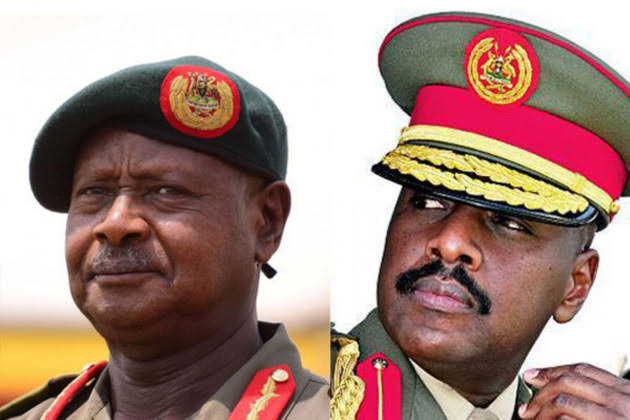
Gen. Muhoozi Kainerugaba has once again found himself at the center of public discussion following a new social media post concerning NTV Uganda and Daily Monitor, two of the country’s most prominent media organizations.
The Chief of Defence Forces attracted attention after claiming that he had heard the media houses were losing five million dollars every day as a result of what he described as their closure.
In the same statement, Muhoozi appeared unfazed by the alleged financial losses, adding that such information would be “good news” for him if it were true.
The remarks quickly spread across social media platforms, where supporters and critics alike rushed to comment on the latest development involving the outspoken military leader.
Many Ugandans expressed surprise at the statement, particularly because of the enormous figure mentioned and the potential implications for the country’s media industry.
The post generated thousands of reactions within hours, with users debating whether the comments were meant literally, symbolically, or as part of a broader political message.

Supporters of the General praised his direct communication style and argued that he has consistently demonstrated a willingness to speak openly about issues that generate public interest.
Others interpreted the statement as another chapter in the ongoing tensions between certain political actors and sections of the media landscape.
Critics, however, questioned the basis of the alleged financial figures and called for caution when discussing claims involving major businesses and media institutions.
Several observers noted that media organizations operate in highly competitive environments and that reports regarding their finances should generally be supported by verifiable information.
The comments also reignited discussions about the role of independent journalism and the relationship between public officials and news organizations in Uganda.
Political analysts observed that statements involving major media houses often attract significant attention because they touch on broader issues of press freedom, public accountability, and political communication.
Some commentators suggested that the controversy reflects the increasingly influential role social media now plays in shaping national conversations and public opinion.
Others argued that remarks from senior public figures can carry considerable weight and therefore tend to generate intense scrutiny from citizens and stakeholders.

As discussions intensified online, many users debated the significance of the alleged losses and whether such figures accurately reflected the realities facing the media sector.
The latest remarks also prompted renewed attention toward the broader relationship between government institutions, political leaders, and independent media organizations.
Media observers noted that NTV Uganda and Daily Monitor remain among the country’s most recognized news brands, serving large audiences through television, print, and digital platforms.
Meanwhile, supporters and critics continued offering competing interpretations of Muhoozi’s comments, further fueling one of the most talked-about debates on Ugandan social media.
The controversy demonstrates how a single statement from a high-profile public figure can rapidly dominate public discourse and generate discussions extending far beyond the original message.
As reactions continue to emerge, many observers are closely watching for any additional comments, clarifications, or responses from the parties involved, while the debate surrounding the remarks remains firmly in the national spotlight.
About the Author