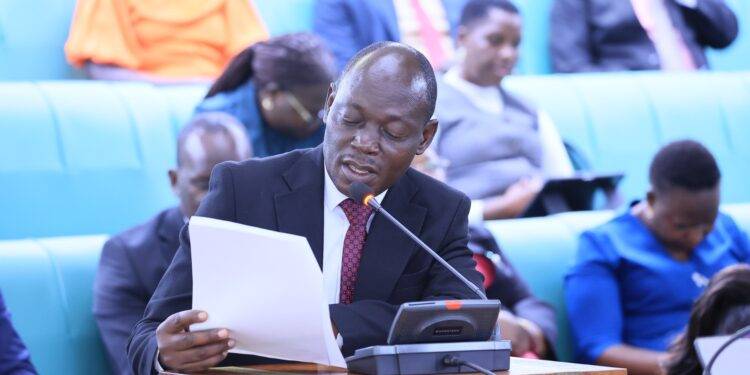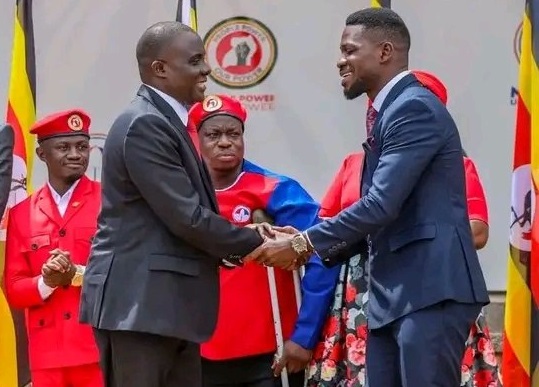
National Unity Platform (NUP) Deputy President for Buganda, Muwanga Kivumbi, has reportedly found himself at the center of fresh controversy following remarks attributed to him during a recent public appearance that quickly generated debate across political circles.
The latest developments emerged shortly after Kivumbi’s release from detention, a move that had been welcomed by supporters who viewed it as an opportunity for him to resume his political activities and reconnect with his constituents.
According to accounts circulating on social media and among political observers, statements attributed to Kivumbi during a gathering attracted significant attention due to their critical nature and references to several senior government figures.
The comments were widely shared online, with supporters and critics offering sharply different interpretations of both the content and the intentions behind the remarks.
As discussions intensified, reports began emerging that security agencies had taken renewed interest in the matter, prompting speculation about possible legal or administrative action.
Several political commentators argued that public statements by prominent opposition leaders often attract heightened scrutiny because of their influence on public discourse and national political debates.

Supporters of Kivumbi maintained that political leaders should be allowed to express their views freely, particularly when discussing matters of governance, accountability, and national leadership.
Others, however, argued that political discourse should remain respectful and avoid language that could further deepen divisions within the country’s political landscape.
The controversy quickly became a major topic of discussion across various media platforms, with many Ugandans seeking clarity regarding the circumstances surrounding the reported developments.
Questions also emerged regarding whether the statements in question directly contributed to the actions reportedly taken against the opposition politician.
Neither security agencies nor relevant government authorities immediately provided detailed public explanations regarding the reports that were circulating at the time.
Political analysts noted that the incident highlights the increasingly tense relationship between government and opposition actors as political competition continues to intensify.
The developments also underscore the significant role social media now plays in shaping national political conversations, often amplifying statements within minutes of being made.
For supporters of the opposition, the reports have raised concerns about political freedoms and the treatment of leaders who openly challenge government policies and decisions.

Government supporters, meanwhile, have emphasized the importance of responsible public communication and adherence to the law regardless of an individual’s political affiliation.
The situation has attracted attention from political observers across the country, many of whom are closely monitoring how the matter unfolds in the coming days.
The reported developments come at a time when Uganda’s political environment remains highly active, with leaders from different sides of the political divide seeking to strengthen their positions ahead of future political contests.
As reactions continue to pour in, both supporters and critics of Kivumbi have taken to online platforms to express their opinions on the matter.
The incident has once again demonstrated how quickly political statements can become national news and trigger widespread public discussion.
For now, attention remains focused on official communication from the relevant authorities and on any response that may be issued by Kivumbi or his political party regarding the reports surrounding the latest developments
About the Author