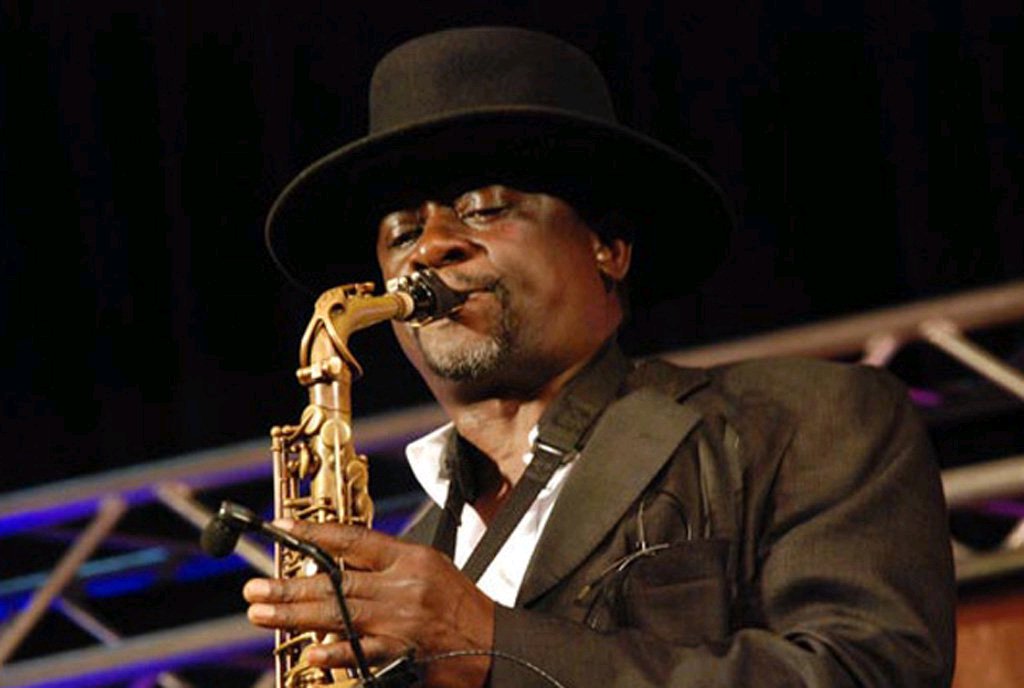
The death of legendary Ugandan musician Moses Matovu at the age of 77 has sparked an outpouring of grief, tributes and memories from musicians, cultural figures and generations of his fans.Matovu, the longtime frontman of Afrigo Band, leaves behind a musical legacy that stretches across several decades and has made him one of the most recognised figures in Uganda’s entertainment history.However, alongside the tributes celebrating his contribution to Ugandan music, his death has also reopened a difficult conversation about whether the country does enough to recognise its cultural icons while they are still alive.
Prominent academic, political cartoonist and human rights activist Prof. Jimmy Spire Ssentongo joined the conversation shortly after Matovu’s death, revealing that there had previously been efforts to have the legendary musician awarded an honorary doctorate in music.Ssentongo said the initiative was intended to recognise Matovu’s enormous contribution to the development and promotion of music in Uganda.“For some years there has been a drive to award Moses Matovu an honorary PhD in Music, in recognition of his contribution to music in Uganda. Somehow it didn’t get off the ground,” Ssentongo revealed.He went further to question the way honorary academic awards are sometimes handled, suggesting that financial influence may play a role in some of the decisions made by institutions.“Of late, honorary PhDs are mostly awarded to rich people that can reciprocate,” Ssentongo wrote.
His remarks have generated renewed discussion about how Uganda recognises people who have made significant contributions to the country’s cultural and creative industries.Matovu dedicated much of his life to Afrigo Band and played a major role in keeping the band active and influential through generations of Ugandan music lovers. His career also saw him work with and mentor numerous musicians over the years.For many fans and commentators, his contribution went beyond performing on stage. They see his decades of work as part of Uganda’s cultural history and believe his influence helped preserve and promote the country’s distinctive musical identity.The failure of the honorary doctorate initiative, as described by Ssentongo, has therefore become part of the wider conversation surrounding Matovu’s legacy and whether some national icons receive sufficient recognition during their lifetime.Despite the missed academic honour, Matovu’s contribution to Ugandan music remains firmly established through the music he created, the performances he delivered, the artists he influenced and the generations of fans who continue to celebrate his work.
His death has consequently become not only a moment of mourning but also an opportunity for Ugandans to reflect on how the country celebrates and honours its artists, musicians and cultural figures before they are gone.For Matovu, the stages he graced, the songs he helped create and the musicians he influenced form a lasting legacy that extends far beyond any honorary title. His contribution to Ugandan music remains part of the country’s cultural story.
About the Author