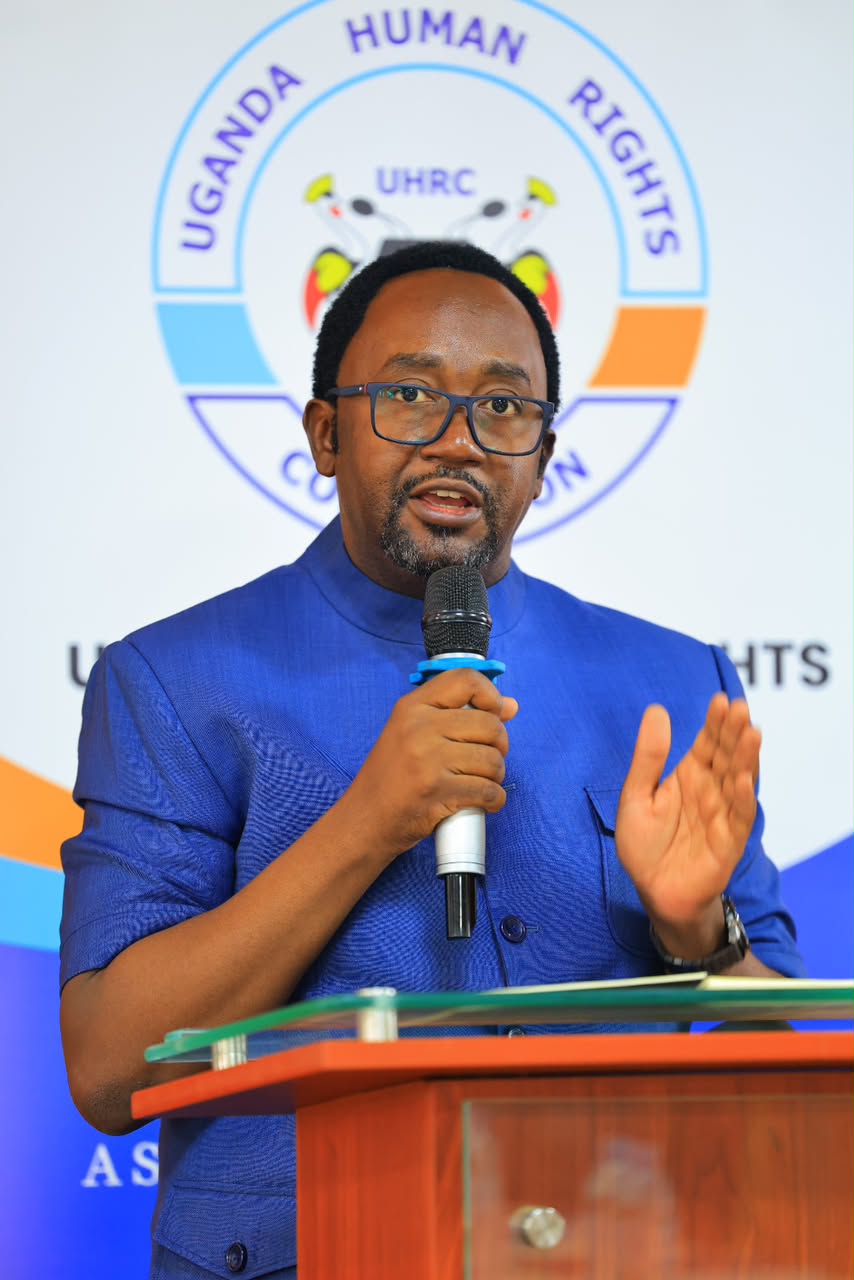
The Uganda Human Rights Commission (UHRC) has opened consultations that will inform its 29th Annual Report on the State of Human Rights and Freedoms in Uganda, bringing together key government agencies, civil society organisations and professional bodies to examine pressing rights concerns across the country.
The two-day consultation, held under the Commission’s Directorate of Monitoring and Inspections, is giving stakeholders an opportunity to present evidence, experiences and recommendations on issues expected to feature in the 2026 human rights report.
The discussions cover juvenile justice, the right to health, the rights of older persons, the welfare of security guards, air quality, digital rights and food safety.Among those participating are officials from the Ministries of Gender, Labour and Social Development, Justice and Constitutional Affairs and Health, together with representatives of the Governance and Security Programme Secretariat, Help Age Advocacy Network Uganda, Uganda Medical Association, Federation for Uganda Medical Interns, Africa Green Health Network and other organisations.
Acting Secretary to the Commission Kamadi Byonabye said the consultations are intended to ensure that the annual report benefits from views gathered from different sectors of society. UHRC Commissioner and Editorial Board Chairperson Crispin Kaheru said the Commission needs contributions from government, civil society, academia and technical experts if the report is to provide a broad assessment of the country’s human rights situation.
Kaheru said the report will consider the progress Uganda has made in promoting and protecting human rights, the gaps that remain and the measures required to address them. He further called for an evidence-based report that reflects the experiences of ordinary citizens and does not rely solely on general or theoretical descriptions of human rights conditions.Commissioner Shifrah Lukwago, who officially opened the meeting on behalf of UHRC Chairperson Mariam Wangadya, said meaningful consultations are central to the Commission’s work.
She challenged participants to examine difficult questions surrounding government action and inaction, delays in addressing rights concerns and the implementation of recommendations contained in earlier reports.Juvenile justice featured prominently in the discussions, with Senior State Attorney at the Ministry of Justice and Constitutional Affairs, Counsel Brian Musota, presenting on the situation in Uganda in 2026. While noting that Uganda has laws and legal instruments intended to safeguard children and promote juvenile justice, Musota highlighted the challenge of ensuring that those legal protections are effectively implemented.
The welfare of medical interns also emerged as a significant concern, with outgoing Federation for Uganda Medical Interns Secretary General Dr Allan Okwir raising issues surrounding delayed deployment, inadequate allowances and extended working hours. He said some interns work for more than 36 hours without rest and called for action to improve their welfare and working conditions. The views and evidence gathered during the consultations will feed into the preparation of the UHRC’s 29th Annual Report, which is expected to provide an assessment of human rights developments, outstanding gaps and the lived experiences of Ugandans.
About the Author