The Uganda Revenue Authority (URA) has revealed that political activities during the 2026 election period significantly disrupted its revenue collections. Between July and December 2025, URA mobilized UGX 16.476 trillion, falling short of the UGX 17.5 trillion target set for the six-month period.
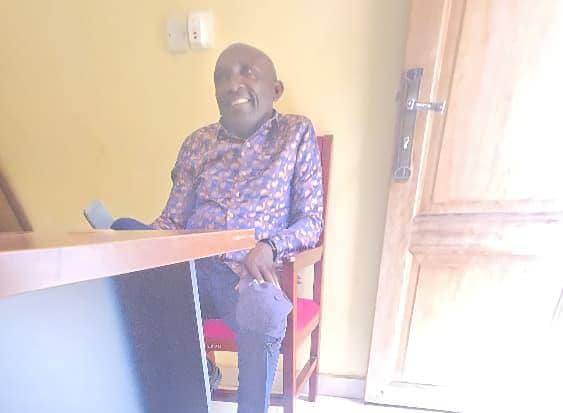
Denis Kugonza Kateeba, Commissioner for Domestic Taxes at URA, presented the figures to Parliament’s Finance Committee while outlining the authority’s framework for the 2026/27 National Budget. He attributed the shortfall to election-related disruptions that hampered normal business and tax operations.
According to Kateeba, businesses scaled back activities, mobility was limited, and compliance efforts were delayed as political campaigns intensified. These factors, he noted, directly reduced taxable transactions and led to the revenue gap.
The shortfall was felt across multiple sectors, with both urban and rural enterprises reporting lower-than-usual activity during the politically charged period. Analysts say such dips are expected during elections but underline the need for systems that can maintain stability.
Despite the setback, URA has introduced measures aimed at boosting compliance and recouping revenue in the remainder of the fiscal year. Targeted audits, enhanced technology, and taxpayer education are among the strategies being deployed to close the collection gap.
Lawmakers acknowledged the challenges posed by the election season but urged the revenue authority to strengthen its resilience. They emphasized that a robust tax system is essential to sustaining government programs, even amid political disruptions.
The timing of the shortfall is particularly critical as Uganda prepares to implement key projects under the 2026/27 National Budget. Reliable revenue collection is necessary to fund infrastructure, healthcare, and education initiatives that are vital for the country’s development.
With the elections concluded, URA faces the dual challenge of recovering lost revenue and ensuring consistent inflows in future cycles. Strengthened enforcement, improved taxpayer engagement, and strategic planning are expected to be central to achieving these goals.
About the Author