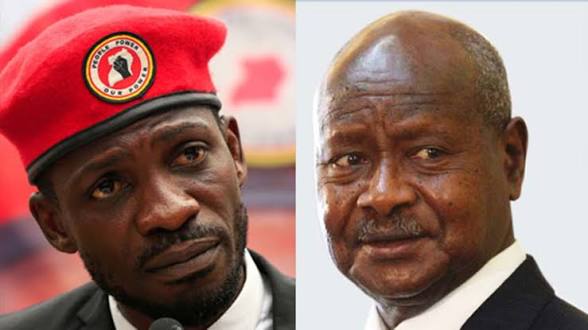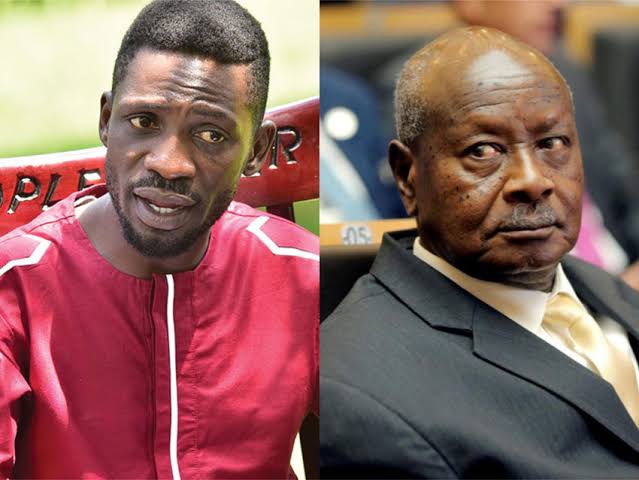
President has once again sparked public discussion after speaking candidly about his monthly salary, insisting that despite occupying Uganda’s highest office, he remains one of the least-paid presidents on the African continent.
The veteran leader made the remarks while emphasizing the importance of agriculture as a pathway to wealth creation, a message he has consistently delivered throughout his years in public service.
According to Museveni, his official monthly salary is approximately Shs3.7 million, an amount that many Ugandans find surprisingly low considering the immense responsibilities attached to the presidency.
As Head of State, Commander-in-Chief of the armed forces, and chief executive of the country, Museveni oversees national security, government programs, foreign relations, and major policy decisions affecting millions of citizens.
Because of these responsibilities, many people assume that the office of the President comes with a significantly larger salary package and financial benefits than what Museveni has publicly disclosed.
However, the President maintains that government earnings have never been the primary source of his wealth and that his personal financial success stems largely from commercial agriculture.

While addressing supporters during a previous engagement, Museveni stated that although he earns relatively little from government, he considers himself financially secure because of the income generated through farming activities.
“Your President is one of the least paid on the continent. Although I earn little from your government, I’m a rich man from agriculture,” Museveni said, a statement that quickly attracted widespread public attention.
The President has often cited his farming ventures as practical examples of how agriculture can transform livelihoods when approached as a business rather than merely a subsistence activity.
Over the years, he has invested heavily in livestock keeping and other agricultural enterprises, which he says have enabled him to earn more than his official government salary.
Museveni frequently uses his own experiences to encourage Ugandans to embrace wealth creation through productive economic activities rather than relying solely on formal employment opportunities.
According to the President, agriculture remains one of the most promising sectors for economic growth, employment creation, and household income generation in Uganda.
He believes that many young people underestimate the potential of farming and often overlook opportunities that exist within the agricultural value chain.
The President has repeatedly argued that individuals can build substantial wealth through disciplined investment, modern farming practices, and a commitment to long-term productivity.

His comments come at a time when discussions about salaries, cost of living, and economic opportunities continue to dominate public discourse across the country.
Supporters view Museveni’s message as an important reminder that wealth does not necessarily depend on government positions but can be achieved through entrepreneurship and productive investment.
Others, however, have questioned how the salary of a sitting president compares with the broader benefits and privileges associated with the office, fueling ongoing debate among citizens.
Political analysts note that Museveni’s statements resonate because they touch on larger issues of public leadership, income generation, and the role of agriculture in national development.
Beyond discussing his salary, the President has consistently framed leadership as a form of service, arguing that public office should not be treated as a route to personal enrichment.
As conversations continue about presidential earnings and public accountability, Museveni remains steadfast in promoting agriculture as the foundation of his personal wealth, insisting that while his government paycheck may be modest, his success has been built through years of investment in farming and livestock production.
About the Author