A dramatic new twist has emerged in the saga surrounding opposition lawyer and former Kampala Lord Mayor Erias Lukwago after reports indicated that he was taken to Kira Road Police Station following his controversial arrest.
The development has immediately reignited political debate across Uganda, with opposition supporters, lawyers, civil society actors, and ordinary citizens closely monitoring every detail of the unfolding situation.
Lukwago’s detention has remained one of the most talked-about political stories in the country because of both his prominence as a lawyer and the circumstances under which he was reportedly arrested.
The veteran politician has long been known for representing opposition leaders and activists in high-profile legal battles involving constitutional rights, elections, and governance issues.
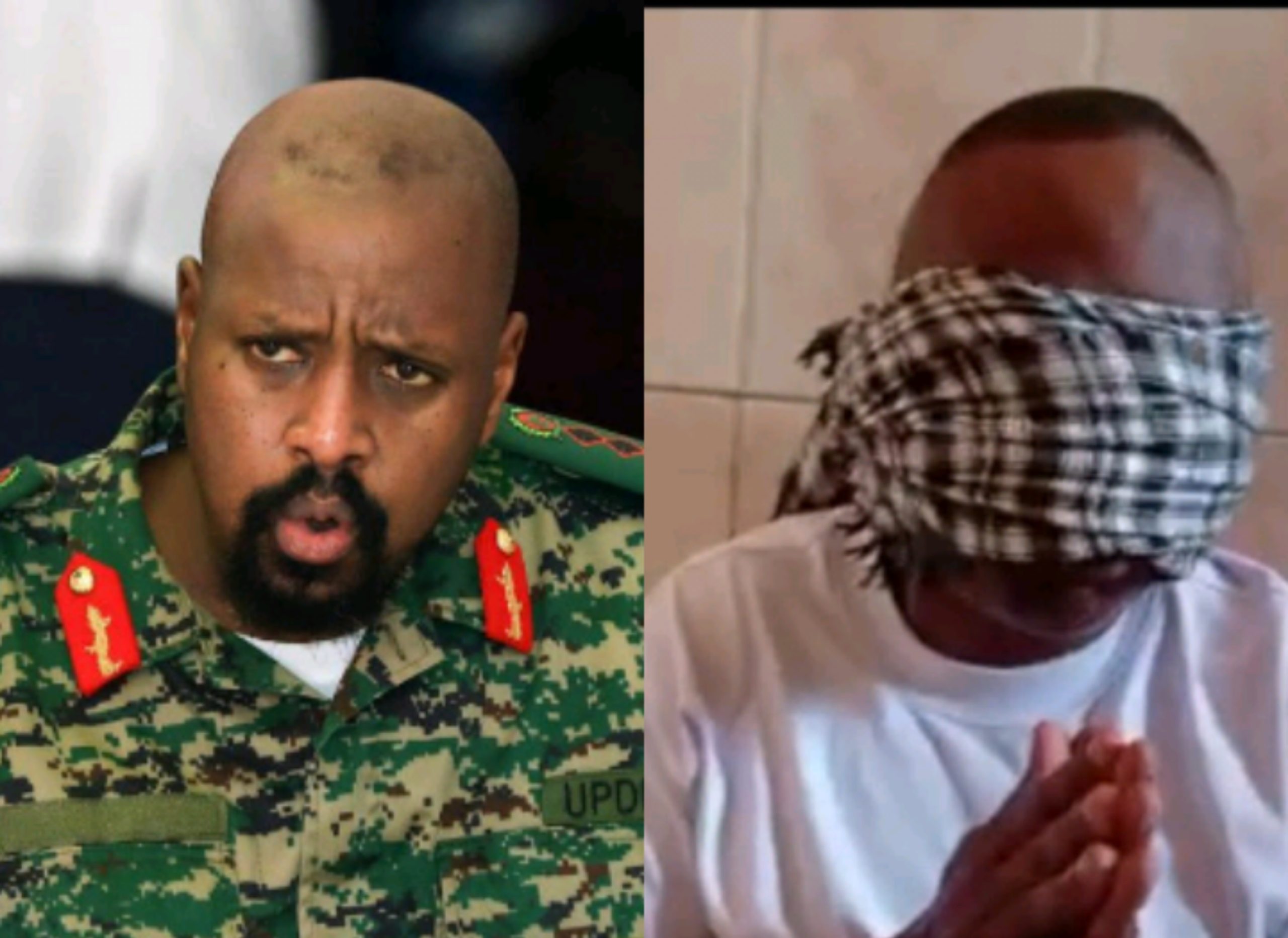
According to information circulating within political and legal circles, Lukwago was reportedly arrested shortly after attempting to pursue legal action connected to statements attributed to Chief of Defence Forces Gen Muhoozi Kainerugaba.
The reported legal move was linked to remarks allegedly made by Muhoozi concerning opposition veteran Dr. Kizza Besigye, comments that had already generated widespread public discussion.

As news of Lukwago’s arrest spread, criticism quickly emerged from opposition leaders who argued that he was merely carrying out his professional responsibilities as a lawyer.
Several legal practitioners also expressed concern, emphasizing that lawyers should be allowed to perform their duties without fear of intimidation, interference, or arrest.
The situation attracted even more attention when reports emerged suggesting that Lukwago had spent the night at Kira Road Police Station after being transferred there by security personnel.
The reported transfer was viewed by many as a significant development because it appeared to indicate that formal legal proceedings could soon follow after days of uncertainty regarding his status.
Political commentators noted that the incident had already evolved from a legal dispute into a major national controversy involving some of Uganda’s most influential political figures.
For many observers, the matter extends beyond Lukwago himself and touches on broader questions concerning the relationship between political power, legal institutions, and civil liberties.
Adding further intrigue to the case are reports suggesting that Lukwago could potentially face serious charges, including allegations linked to an ongoing treason investigation.
Although authorities had not publicly released comprehensive details regarding any formal charges at the time the reports emerged, speculation about possible treason accusations quickly dominated public discussion.

The possibility of such charges generated intense reactions because treason remains one of the most serious criminal offenses under Ugandan law and often attracts significant political attention.
Supporters of Lukwago argued that any charges should be handled transparently through established legal procedures and that the public deserves clear explanations regarding the basis for the case.
Critics of the arrest also questioned whether the events surrounding Lukwago’s detention could have a chilling effect on lawyers involved in politically sensitive cases.
Government supporters, on the other hand, maintained that all citizens are subject to the law and that investigations should be allowed to proceed without political interference.
As anticipation builds ahead of his expected court appearance, legal observers say the proceedings could become one of the most closely watched cases in Uganda’s current political environment.
The outcome is likely to have implications not only for Lukwago personally but also for ongoing debates surrounding political freedoms, the independence of legal processes, and the handling of disputes involving high-profile public figures.
About the Author