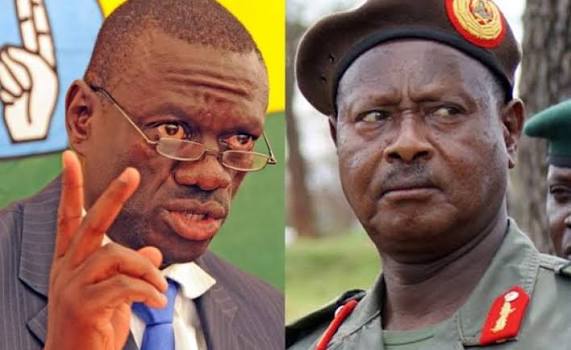
The circumstances surrounding the arrest of veteran opposition politician Dr. Kizza Besigye continue to generate intense public debate, with new claims emerging about intelligence reports and behind-the-scenes operations that allegedly preceded his detention.
According to sources familiar with the matter, events that eventually culminated in Besigye’s arrest reportedly began several months before he was apprehended in Nairobi, Kenya, on November 16, 2024. The operation is said to have involved intelligence gathering, surveillance, and information supplied by individuals believed to have been close to the opposition leader.
Reports indicate that security agencies became increasingly interested in Besigye’s activities following information allegedly provided by a businessman said to have connections within regional security and business circles. The information reportedly raised concerns among top government officials and triggered further investigations.
The businessman is said to have met President Yoweri Museveni at his Kisozi farm, where he allegedly presented claims that opposition elements were involved in activities aimed at destabilizing the government. The allegations were reportedly accompanied by documents, communication records, and audio material that the informant claimed supported his assertions.
According to the claims, the businessman alleged that Besigye and several associates were exploring ways of mounting pressure against the government through unconventional means. These allegations have not been independently verified, and no court findings have publicly confirmed the accusations.
Sources say the information immediately attracted the attention of security officials, who reportedly launched a comprehensive assessment of the intelligence provided. Analysts were tasked with reviewing the material and determining whether the claims posed a genuine national security concern.

The allegations reportedly included claims that external actors could be involved in supporting activities intended to challenge the government. Security agencies are said to have examined potential links, communication patterns, and movements of individuals mentioned in the intelligence reports.
As investigations progressed, intelligence operatives reportedly increased surveillance efforts on several individuals believed to be connected to opposition networks. The objective, according to sources, was to establish whether the allegations had any factual basis.
Officials familiar with the matter claim that multiple meetings were held among senior security personnel to assess the credibility of the information. The discussions reportedly focused on evaluating potential risks and determining appropriate responses.
Meanwhile, Besigye continued his political activities, publicly criticizing government policies and advocating for political reforms. Throughout this period, he remained one of President Museveni’s most prominent political opponents and a key figure within Uganda’s opposition landscape.
Sources allege that security agencies gradually developed a broader intelligence picture that influenced subsequent decisions regarding Besigye’s movements and engagements. The details of those assessments remain largely confidential.
Attention reportedly intensified when officials learned of plans involving meetings outside Uganda. Intelligence officers allegedly viewed some of these engagements as significant and worthy of close monitoring.
According to accounts from individuals familiar with the operation, a coordinated strategy was eventually developed to track developments and gather additional information. The effort reportedly involved cooperation among multiple security entities.
When Besigye traveled to Nairobi in November 2024, authorities were reportedly already monitoring developments closely. Sources claim that security planners viewed the trip as a critical moment in their broader operation.

The events that followed culminated in Besigye’s arrest, a development that immediately sparked controversy and drew reactions from political supporters, civil society groups, and international observers.
Government supporters argued that security agencies had acted in the interest of national security, while opposition figures maintained that the arrest was politically motivated and intended to suppress dissent.
The case quickly became one of the most discussed political developments in Uganda, with competing narratives emerging regarding the reasons behind the operation and the evidence that informed it.
Legal experts and political analysts have continued to debate the implications of the arrest, particularly concerning political freedoms, due process, and the balance between national security and democratic participation.
Despite numerous reports and claims circulating in public discourse, many aspects of the alleged intelligence operation remain unclear. Several assertions have yet to be independently verified through court proceedings or official disclosures.
As the debate continues, the arrest of Dr. Besigye remains a defining political story, raising important questions about security, governance, opposition politics, and the role of intelligence information in shaping major state actions.
About the Author