The salaries of Uganda Police officers have been disclosed in what is being described as one of the most comprehensive revelations of pay structures within the security sector. The disclosures highlight significant disparities between the highest-ranking officers and junior staff.
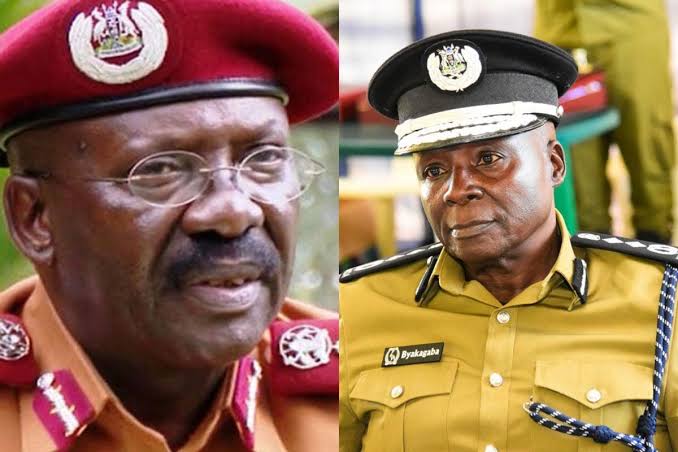
At the top of the pay scale is Inspector General of Police (IGP) Abbas Byakagaba, who reportedly earns a monthly salary of Shs 15.4 million. This figure places him among the highest-paid officials in Uganda’s security and public service sectors.
Byakagaba’s salary mirrors that of the Commissioner General of Prisons, reflecting the weight of responsibility and leadership expected at the highest levels of law enforcement and corrections. The IGP is tasked with overseeing the entire police force, maintaining law and order, and ensuring national security.
Next in line is the Deputy IGP, who receives a monthly salary of Shs 13.8 million. The Deputy IGP plays a critical role in managing day-to-day operations of the police and assisting the IGP in strategic decision-making and operational coordination.
Assistant Inspectors General of Police (AIGPs) earn Shs 6.47 million per month. While significantly lower than the IGP and Deputy IGP, this salary still positions AIGPs well above many other ranks in the police force, reflecting their supervisory and operational responsibilities.
Directors of Police, Senior Commissioners, and Commissioners earn between Shs 4 million and Shs 6 million per month, according to the disclosures. These officers manage departments, regions, and key operational units, often handling complex administrative and operational duties.

Senior Superintendents and Superintendents earn slightly lower salaries, ranging from Shs 2.5 million to Shs 3.5 million, reflecting their management of sub-units, divisions, or specialized police functions within districts or national operations.
Inspectors and Assistant Inspectors earn between Shs 1.5 million and Shs 2.3 million per month. These officers are critical in operational deployments, investigations, and ensuring that day-to-day policing functions run smoothly across communities.
The salary gap becomes most evident when considering junior officers. Police Constables, who form the backbone of the force and are often the first point of contact for the public, earn only Shs 440,000 per month. This low pay has drawn criticism from civil society and labor advocates.
Special Police Constables, who often serve in auxiliary roles or provide community-level support, earn similar amounts, placing them at the very bottom of the police pay structure despite their critical role in law enforcement.
The salary structure reflects a broader pattern seen in public service, where top-tier leadership receives substantial remuneration, while junior staff perform essential duties on significantly lower wages. This has raised questions about equity, morale, and the ability to retain talent at lower ranks.
Many junior officers reportedly rely on allowances, overtime, and other perks to supplement their basic pay, according to sources familiar with internal police operations. These allowances, however, remain inconsistent and vary depending on location, assignments, and operational priorities.
The salary disclosures have reignited discussions about police welfare and the challenges faced by junior officers in meeting basic living costs while serving in demanding and often dangerous roles. Some analysts argue that the low pay may affect operational efficiency and morale in the long term.
Human resource experts in law enforcement note that salary disparities are common globally, but Uganda’s figures highlight a stark contrast that could undermine public confidence in police services and affect recruitment and retention at junior levels.

At the senior level, salaries are intended to attract highly qualified and experienced personnel capable of strategic planning, managing complex operations, and ensuring effective governance within the police force.
The disclosure comes amid ongoing discussions about reforming police welfare and benefits. Policymakers are reportedly considering measures to enhance housing, medical care, and risk allowances, particularly for officers stationed in high-risk or remote areas.
Civil society groups have welcomed the transparency but insist that reforms must also address the plight of junior officers. “While leadership must be adequately compensated, no officer should earn less than a livable wage while risking life and limb in service to the nation,” said one advocate.
The salary chart is also expected to provide clarity on promotions, pay progression, and the financial incentives tied to rank and experience within the force. Analysts note that formalizing these structures can improve accountability and reduce grievances among officers.
For the public, the revelation sheds light on the internal workings of Uganda Police, offering context for the roles, responsibilities, and compensation of officers from the lowest-ranking constables to the Inspector General.
As the government continues to balance budget constraints with the need to incentivize performance, the discussion on police pay may influence broader public sector reform debates, including adjustments to salaries, allowances, and benefits across other government institutions.
About the Author