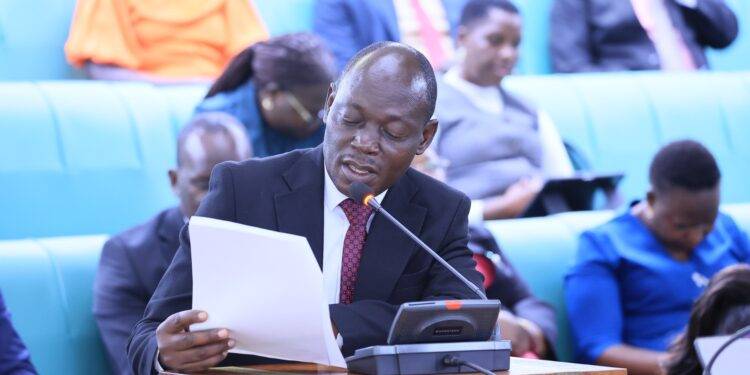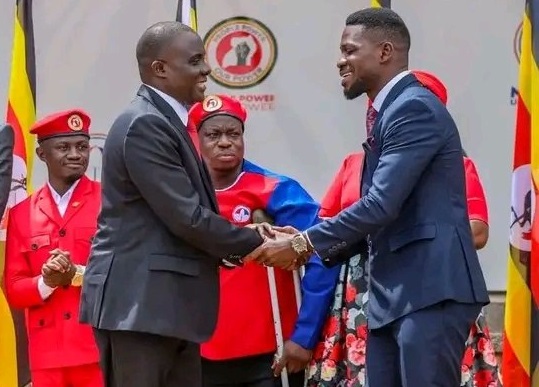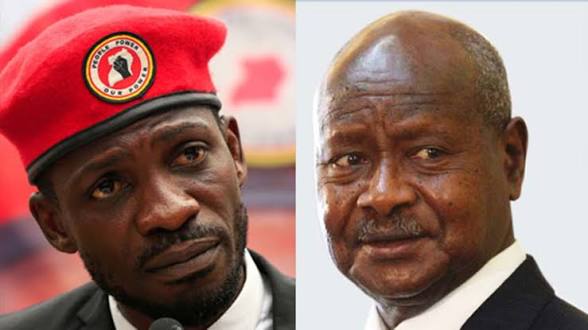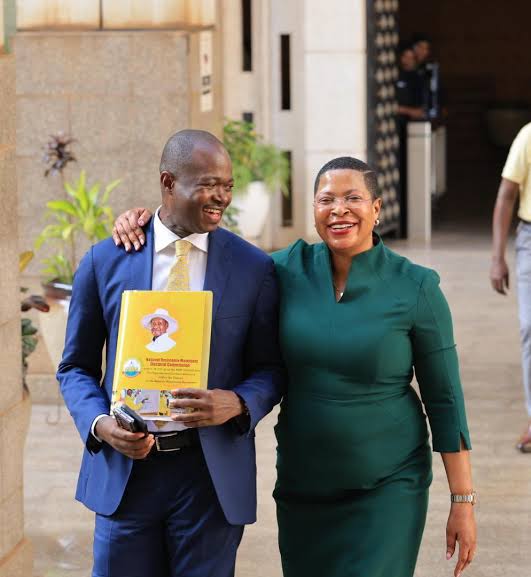
Hon. David Kabanda has sparked fresh political discussion after making startling claims involving Speaker of Parliament Anita Among, President Yoweri Museveni, and Chief of Defence Forces Gen. Muhoozi Kainerugaba.
Speaking during a recent public engagement, Kabanda alleged that Speaker Anita Among informed President Museveni that he had approached her seeking Shs3 billion, which he would allegedly deliver to Gen. Muhoozi.
The remarks have since generated widespread interest across political circles and social media platforms.
According to Kabanda, he was shocked to learn that such information had allegedly been relayed to the President. He insisted that the claims did not accurately reflect the circumstances and suggested that the issue had been presented in a manner that raised unnecessary suspicion about his intentions.
The legislator stated that he became aware of the matter after discussions involving senior political figures. He expressed concern that allegations of this nature can easily damage reputations, particularly when they involve highly influential individuals within government and the ruling party.
Kabanda explained that politics often involves intense competition, misunderstandings, and conflicting narratives. He argued that public leaders must exercise caution when discussing colleagues because statements made at the highest levels can quickly become matters of national debate.

The controversy has attracted attention because it touches on some of the most powerful figures in Uganda’s political establishment. Speaker Anita Among remains one of the country’s most influential leaders, while Gen. Muhoozi continues to occupy a prominent position in both military and political conversations.
Kabanda noted that whenever allegations involve money, political influence, and senior officials, public interest naturally increases. He said this is why he felt compelled to address the matter and provide his side of the story.
The legislator emphasized that transparency is important in public life and that leaders should not allow rumors and accusations to circulate unchecked. He maintained that public confidence in institutions depends on openness and accountability.
Observers say the claims highlight the complex relationships that often exist within political systems, where personal interactions, official responsibilities, and political ambitions frequently intersect. Such dynamics can sometimes create misunderstandings that quickly escalate into major controversies.
Political analysts have also pointed out that allegations involving financial requests are particularly sensitive because they can easily fuel speculation about influence, patronage, and power struggles within government structures.
Kabanda suggested that the issue reflects a broader challenge within politics, where conversations can be interpreted differently depending on who is involved and the context in which they occur. He argued that leaders must be careful not to draw conclusions before all facts are known.
The matter has also renewed discussion about the importance of trust among senior government officials. In any political environment, confidence between leaders plays a critical role in maintaining stability and ensuring effective cooperation.
Supporters of Kabanda have defended him, arguing that he has been unfairly drawn into a controversy that may have resulted from miscommunication or differing interpretations of events. They believe his decision to address the issue publicly demonstrates confidence in his position.
Critics, however, contend that such claims deserve careful scrutiny because of the seriousness of the allegations involved. They argue that matters touching on large sums of money and senior state officials should be handled with maximum transparency.

The discussion has spread beyond political circles, with ordinary citizens debating the implications of the allegations and what they reveal about the relationships between key figures in Uganda’s leadership.
Some commentators have noted that Uganda’s political environment is often characterized by intense speculation, making it difficult to separate verified information from rumor. This has increased calls for greater clarity whenever controversial claims emerge.
As the debate continues, attention remains focused on whether additional information will be provided by any of the individuals mentioned in the allegations. Many observers believe further clarification could help address public concerns and prevent unnecessary speculation.
The controversy also underscores the growing influence of public statements in shaping political narratives. In the digital age, comments made by leaders can spread rapidly and trigger nationwide conversations within hours.
For Kabanda, the episode represents another example of how political figures can find themselves at the center of discussions involving power, influence, and competing interpretations of events. His remarks have ensured that the matter remains firmly in the public spotlight.
Whether the allegations lead to further political responses or eventually fade from public attention, they have once again highlighted the sensitivity of issues involving senior government officials, financial claims, and the complex realities of Uganda’s political landscape.
About the Author